
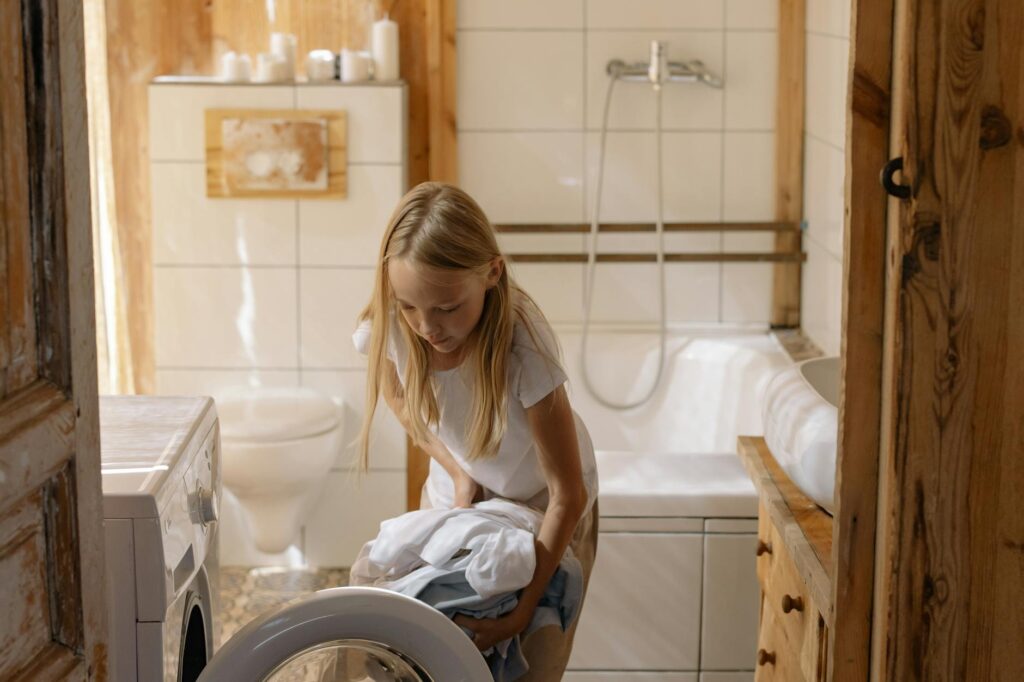
Mold in Laundry: Laundry Guide Part 2
Introduction
Mold in laundry is a common issue that can turn fresh, clean clothes into a smelly, musty mess. It thrives in damp environments, making laundry rooms a prime target. In this guide, we’ll explore what causes mold, why it occurs, and how to effectively tackle it. We’ll also provide tips for prevention and address common mistakes to avoid in your laundry routine.
What Causes Laundry Mold?
Laundry mold typically develops due to a combination of moisture, warmth, and organic materials. Here are the main culprits:
1. Damp Clothes: Leaving wet clothes in the washing machine or dryer creates an ideal environment for mold.
2. High Humidity: A humid laundry room can trap moisture in your laundry, encouraging mold growth.
3. Poor Ventilation: Lack of airflow can lead to stagnant air, which fosters mold spores.
4. Detergent Residue: Using too much detergent can leave behind residues that contribute to mold growth.
5. Organic Materials: Fabrics made from natural fibers like cotton or linen can provide nutrients for mold.
Why This Problem Happens
Understanding the underlying reasons for mold growth in laundry can help you address the issue effectively. Mold spores are everywhere, and when conditions are just right—like a damp, dark space—they can settle on your clothes and multiply.
1. Timing: If you forget to transfer clothes from the washer to the dryer, mold can develop within a few hours.
2. Infrequent Washing: Clothes that are stored for a long time without washing can accumulate moisture and organic debris.
3. Old Machines: Older washing machines may not drain completely, leaving water behind that can foster mold.
4. Neglected Maintenance: Failing to clean your washing machine and dryer can lead to mold growth in the machines themselves, which can transfer to your laundry.
How to Fix Laundry (Step-by-Step)
If you encounter mold in your laundry, follow these steps to effectively remove it.
Step 1: Identify Affected Items
Check your laundry for visible signs of mold, such as dark spots or a musty smell. Pay special attention to fabrics that have been damp for an extended period.
Step 2: Pre-Treat the Affected Areas
1. Create a Cleaning Solution: Mix equal parts of white vinegar and water in a spray bottle.
2. Apply the Solution: Spray the affected areas and let it sit for about 30 minutes. The vinegar helps kill mold spores.
Step 3: Wash Thoroughly
1. Load the Washer: Place the affected items in the washing machine.
2. Add Detergent and Vinegar: Use your regular detergent, but also add 1 cup of white vinegar to the wash cycle to enhance mold removal.
3. Select the Right Settings: Wash with hot water if the fabric allows, as heat helps kill mold.
Step 4: Dry Completely
1. Use the Dryer: If the fabric allows, use a dryer on high heat to ensure all moisture is removed.
2. Air Dry: For delicate fabrics, hang them outside in the sun, as sunlight is a natural mold killer.
Step 5: Inspect and Repeat if Necessary
Check the items after drying. If you still see signs of mold, repeat the pre-treatment and washing steps.
Best Cleaning Methods
1. Vinegar
Vinegar is an effective natural mold remover. It not only kills mold spores but also helps to neutralize odors.
2. Baking Soda
Baking soda is another great cleaning agent. It’s effective at removing moisture and can be added to laundry as a natural deodorizer.
3. Hydrogen Peroxide
Using a solution of 3% hydrogen peroxide can effectively kill mold. Apply it directly to the affected area before washing.
4. Commercial Mold Removers
If home remedies don’t work, consider investing in a commercial mold remover specifically designed for fabrics.
Common Mistakes to Avoid
1. Ignoring Damp Clothes: Avoid leaving wet clothes in the washer for too long.
2. Overloading the Washer: This can prevent proper cleaning and rinsing, leaving detergent residue.
3. Using Cold Water Only: While some fabrics require cold water, hot water is more effective at killing mold.
4. Neglecting Machine Maintenance: Regularly clean your washing machine and dryer to prevent mold build-up.
5. Not Drying Clothes Completely: Make sure clothes are entirely dry before putting them away.
Prevention Tips
1. Quick Transfers: Always transfer clothes to the dryer or hang them up promptly after washing.
2. Use Dehumidifiers: Consider using a dehumidifier in your laundry room to reduce moisture levels.
3. Ventilate: Keep windows open or use fans to promote airflow in the laundry area.
4. Regular Cleaning: Clean your washing machine and dryer regularly to prevent mold build-up.
5. Store Clothes Properly: Make sure stored clothes are completely dry and in breathable containers.
Frequently Asked Questions
1. Can I use bleach to remove mold from laundry?
While bleach can kill mold, it may not be suitable for all fabrics. It can also cause discoloration. Use vinegar or hydrogen peroxide for a safer approach.
2. How do I know if my washing machine has mold?
Look for dark spots or a musty smell inside the drum, rubber seals, or detergent dispensers.
3. Is mold on laundry dangerous?
While most mold is not harmful to healthy individuals, it can cause allergic reactions or respiratory issues in sensitive people.
4. Can I wash moldy clothes with other laundry?
Avoid mixing moldy clothes with other laundry to prevent spreading mold spores.
5. How often should I clean my washing machine?
Aim to clean your washing machine every month to prevent mold build-up.
6. What should I do if mold keeps coming back?
If mold continues to be a problem, check for underlying issues like leaks, poor ventilation, or humidity. It may also be helpful to consult a professional for further assistance.
By following these guidelines, you can effectively tackle the issue of mold in your laundry and maintain a fresh, clean environment for your clothes. Regular maintenance and prompt action are essential for keeping mold at bay.