
Mold in Laundry Bathroom Guide Part 1
Introduction
Mold in the laundry bathroom can be a frustrating and unsightly problem for homeowners. Not only does it pose an aesthetic issue, but it can also lead to health concerns and damage to your home. This guide will help you understand the causes of mold, how to effectively clean it, and preventative measures to keep your laundry bathroom mold-free.
What Causes Mold in the Laundry Bathroom?
Mold thrives in damp environments, and laundry bathrooms often provide the perfect conditions. The main causes include:
1. High Humidity: Laundry bathrooms tend to have increased moisture levels from washing machines and drying clothes.
2. Poor Ventilation: Lack of adequate airflow allows humidity to build up, creating a breeding ground for mold.
3. Water Leaks: Any leaks from pipes or appliances can contribute to moisture accumulation.
4. Condensation: Warm air from showers or baths can condense on cooler surfaces, leading to damp areas.
5. Dirty Surfaces: Soap scum and organic matter can provide nutrients for mold growth.
Why This Problem Happens
Understanding why mold develops in your laundry bathroom is crucial for effective prevention and cleaning. Mold spores are always present in the air, but they only grow when conditions are right. High humidity levels, combined with the factors mentioned above, create an ideal environment. If left unchecked, mold can spread rapidly, leading to more severe issues such as structural damage and health risks.
How to Fix Mold in the Laundry Bathroom (Step-by-Step)
Step 1: Gather Your Supplies
Before you start cleaning, gather the following materials:
- Rubber gloves
- Mask
- Goggles
- Scrub brush or sponge
- Bucket
- Spray bottle
- Cleaning solutions (bleach, vinegar, or commercial mold remover)
- Rags or paper towels
Step 2: Identify Affected Areas
Inspect your laundry bathroom thoroughly. Look for visible mold on walls, ceilings, around the washing machine, and on any surfaces that may have collected moisture.
Step 3: Ventilate the Area
Open windows and doors to ensure good airflow. Use a fan if necessary to help disperse any mold spores in the air.
Step 4: Apply Cleaning Solution
For non-porous surfaces, you can use a mixture of one part bleach to three parts water or a commercial mold remover. For less intense cleaning, white vinegar can be effective as well.
1. Spray the affected areas thoroughly.
2. Let the solution sit for 10-15 minutes to kill the mold.
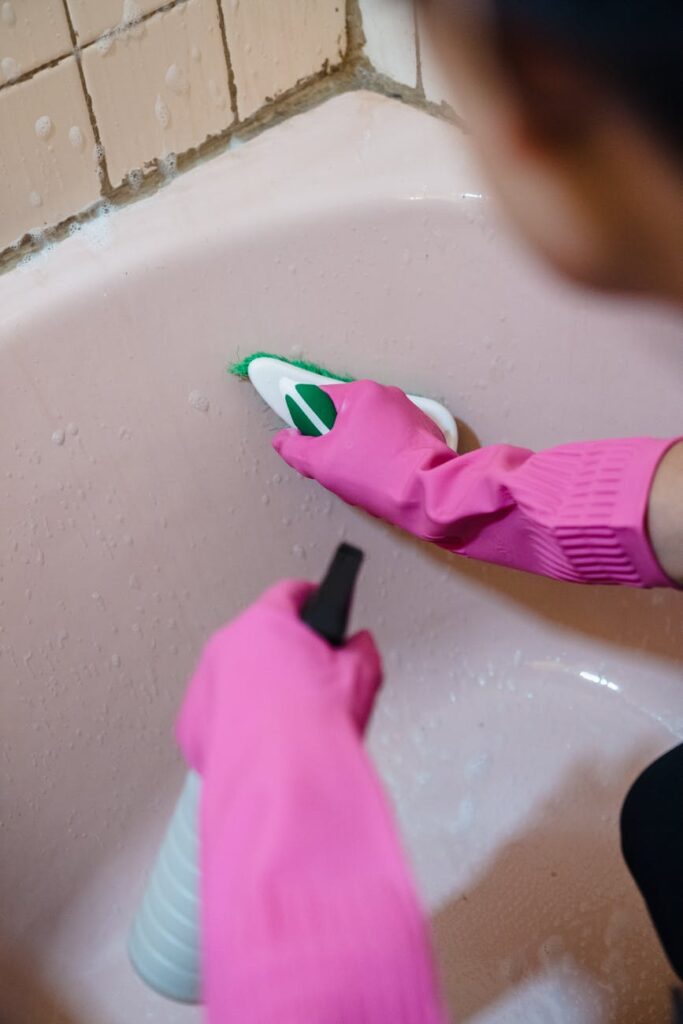
3. Scrub the area with a brush or sponge to remove the mold.
Step 5: Rinse and Dry
1. Rinse the surfaces with clean water to remove any cleaning solution.
2. Dry the area thoroughly using a clean rag or paper towel.
Step 6: Dispose of Cleaning Materials
Dispose of any rags and sponges used during cleaning to prevent mold spores from spreading.
Best Cleaning Methods
1. Bleach Solution: Effective for hard surfaces, bleach kills mold quickly but can be harsh on some materials.
2. White Vinegar: A natural mold killer; spray undiluted vinegar on affected areas and let it sit.
3. Baking Soda: Mix with water to create a paste, scrub the mold, and rinse afterward.
4. Commercial Cleaners: Many products are specifically designed to tackle mold and mildew. Always follow label instructions.
Common Mistakes to Avoid
1. Ignoring Small Spots: Even small patches of mold can grow into larger problems; address them immediately.
2. Using Hot Water: Hot water can actually spread mold spores; use cold or lukewarm water for rinsing.
3. Not Ventilating: Failing to ventilate the area during cleaning can lead to further mold growth.
4. Skipping Protective Gear: Always wear gloves, masks, and goggles to protect yourself from mold spores and cleaning chemicals.
Prevention Tips
1. Increase Ventilation: Install an exhaust fan or open windows to reduce humidity.
2. Use a Dehumidifier: Maintain indoor humidity levels below 60%.
3. Fix Leaks Promptly: Repair any leaks in pipes or appliances to prevent moisture buildup.
4. Regular Cleaning: Clean your laundry bathroom regularly to eliminate any mold-prone conditions.
5. Keep Surfaces Dry: Wipe down surfaces after use, especially around the washing machine and sinks.
Frequently Asked Questions
1. How often should I check for mold in my laundry bathroom?
Check every few months, especially during humid seasons, to catch mold growth early.
2. Can I use bleach on colored surfaces?
Bleach can discolor colored surfaces; it’s best to use vinegar or a commercial cleaner designed for those materials.
3. How can I tell if mold is behind my walls?
If you notice a musty smell, discoloration, or peeling paint, mold may be present behind the walls.
4. Is mold in the laundry bathroom harmful?
While not all mold is harmful, certain types can trigger allergies and respiratory issues, so it is best to remove it.
5. What if the mold keeps coming back?
Persistent mold may indicate an underlying issue such as poor ventilation or a leak. Address these problems first.
6. Can I prevent mold with just cleaning?
Cleaning alone is not enough; proper ventilation, humidity control, and maintenance are crucial for long-term prevention.
By following this guide, homeowners can effectively tackle mold in their laundry bathrooms and establish practices to keep it at bay. In the next part of this series, we’ll explore advanced cleaning techniques and delve deeper into preventative measures.