
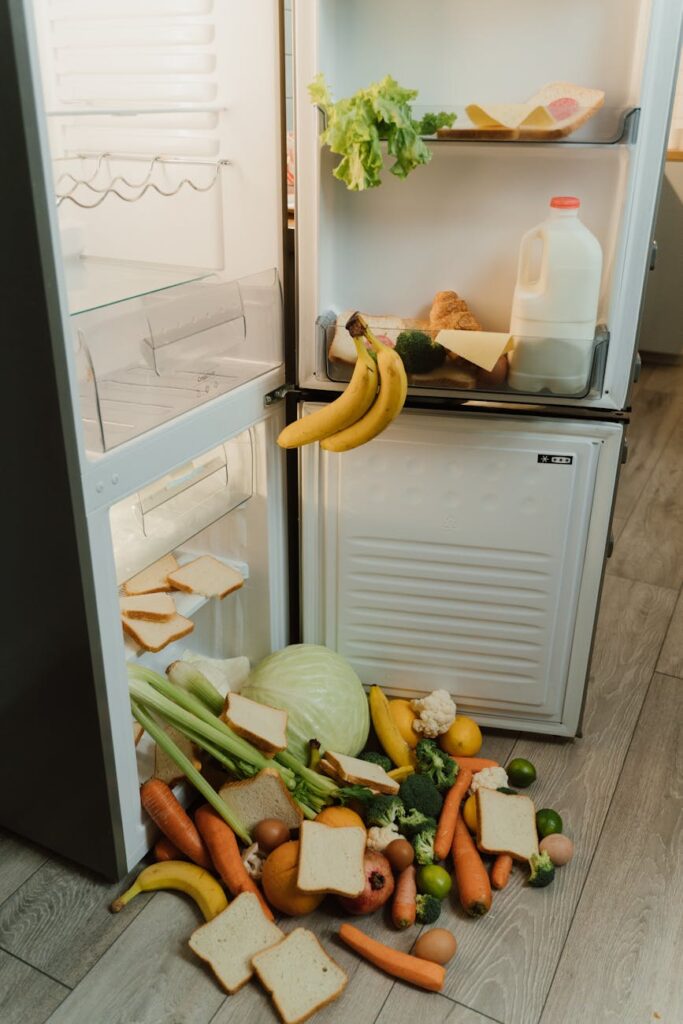
Mold in Fridge Stains Guide Part 2
Introduction
Mold in the fridge can lead to unsightly stains and unpleasant odors. Not only does it compromise the cleanliness of your food storage space, but it can also affect the freshness of your food. In this guide, we will explore what causes these stains, why they happen, and how to effectively remove them. We’ll also cover the best cleaning methods, common mistakes to avoid, and tips to prevent mold from returning.
What Causes Stains?
Stains from mold in the fridge are typically caused by:
- Moisture: Excess moisture creates an ideal environment for mold growth.
- Food Spills: Spilled food or expired items can create a breeding ground for mold.
- Poor Air Circulation: If air isn’t circulating properly, humidity can build up.
- Temperature Fluctuations: Inconsistent temperatures can spoil food and promote mold.
- White vinegar or hydrogen peroxide
- Baking soda
- A sponge or cloth
- A toothbrush (for tough stains)
- A spray bottle
- Warm water
- Gloves (optional)
- For light stains, mix equal parts vinegar and water in a spray bottle.
- For tougher stains, use hydrogen peroxide or a paste of baking soda and water.
- Ignoring Expired Food: Regularly check and discard expired items to minimize mold growth.
- Using Harsh Chemicals: Strong chemicals can damage fridge surfaces and leave harmful residues.
- Neglecting Corners and Crevices: Mold often hides in areas that are hard to reach. Make sure to thoroughly clean these spots.
- Failure to Dry: Not drying surfaces can lead to recurring mold growth.
Recognizing these causes is the first step toward maintaining a clean fridge.
Why This Problem Happens
Several factors contribute to mold growth and staining in your fridge:
1. Humidity Levels: High humidity levels can lead to condensation, making it easier for mold to thrive.
2. Expired Food: Leftover food that has been in the fridge too long can spoil and grow mold, leaking onto shelves.
3. Infrequent Cleaning: Neglecting regular cleaning allows mold spores to settle and grow.
4. Sealed Environment: The fridge is a closed space where mold spores can easily multiply if not properly managed.
Understanding these issues can help you identify stains faster and prevent future occurrences.
How to Fix Stains (Step-by-Step)
Removing mold stains from your fridge requires a systematic approach. Follow these steps:
Step 1: Gather Your Supplies
You’ll need:
Step 2: Empty the Fridge
Remove all items from the fridge. Check expiration dates and dispose of any spoiled food.
Step 3: Prepare Your Cleaning Solution
Step 4: Apply the Solution
Spray the cleaning solution directly onto the stained areas. Let it sit for about 10-15 minutes to penetrate the mold.
Step 5: Scrub the Stains
Using a sponge or toothbrush, gently scrub the stained areas. Be thorough, especially in crevices where mold tends to hide.
Step 6: Rinse and Dry
Wipe the cleaned areas with a damp cloth to remove any residue. Dry the surfaces completely with a clean towel to prevent future mold growth.
Step 7: Replace Items
Return food items to the fridge, ensuring that everything is clean and properly sealed.
Best Cleaning Methods
Here are some effective cleaning methods to tackle mold stains:
Method 1: Vinegar Solution
Vinegar is a natural disinfectant and works well against mold. Spray undiluted vinegar onto the stained areas and let it sit for an hour before wiping clean.
Method 2: Baking Soda Paste
Mix baking soda with water to form a paste. Apply this paste to the stains and scrub gently. Baking soda is mildly abrasive, making it effective for stubborn stains.
Method 3: Hydrogen Peroxide
Hydrogen peroxide is a powerful mold killer. Spray it directly on the stains and let it sit for at least 10 minutes before wiping it away.
Method 4: Commercial Mold Cleaners
If natural methods fail, consider using a commercial mold cleaner. Always follow the manufacturer’s instructions and ensure proper ventilation when using these products.
Common Mistakes to Avoid
Avoid these pitfalls when dealing with mold stains:
Prevention Tips
Taking preventive measures can help keep your fridge mold-free:
1. Regular Cleaning: Clean your fridge every few weeks to prevent mold from settling.
2. Control Humidity: Use moisture-absorbing products to keep humidity levels low.
3. Store Food Properly: Keep food in airtight containers to minimize spills and exposure.
4. Monitor Temperature: Ensure your fridge is set to the correct temperature (around 37°F or 3°C).
5. Check Seals: Inspect door seals regularly to ensure they are airtight, preventing moisture from entering.
Frequently Asked Questions
1. Can I use bleach to clean mold in my fridge?
It’s not recommended to use bleach in the fridge as it can leave harmful residues. Opt for natural cleaners like vinegar or baking soda instead.
2. How often should I clean my fridge to prevent mold?
Aim to clean your fridge at least once a month, or more frequently if you notice spills or expired food.
3. What should I do if the mold keeps coming back?
If mold keeps returning, check for leaks, ensure proper temperature settings, and reduce humidity levels.
4. Are there any foods that are more likely to cause mold stains?
Foods with high moisture content, such as fruits and vegetables, are more prone to spoilage and mold growth.
5. Is it safe to eat food stored in a moldy fridge?
If the fridge has visible mold, it’s best to discard any exposed food items. Mold spores can contaminate food even if it appears unaffected.
6. How can I tell if my fridge is too humid?
If you notice condensation on the walls or shelves, or if there’s a persistent musty smell, your fridge may be too humid.
By following this guide, you can effectively tackle mold stains in your fridge and keep your food storage space clean and safe. Regular maintenance and preventive measures will go a long way in ensuring a mold-free environment.