
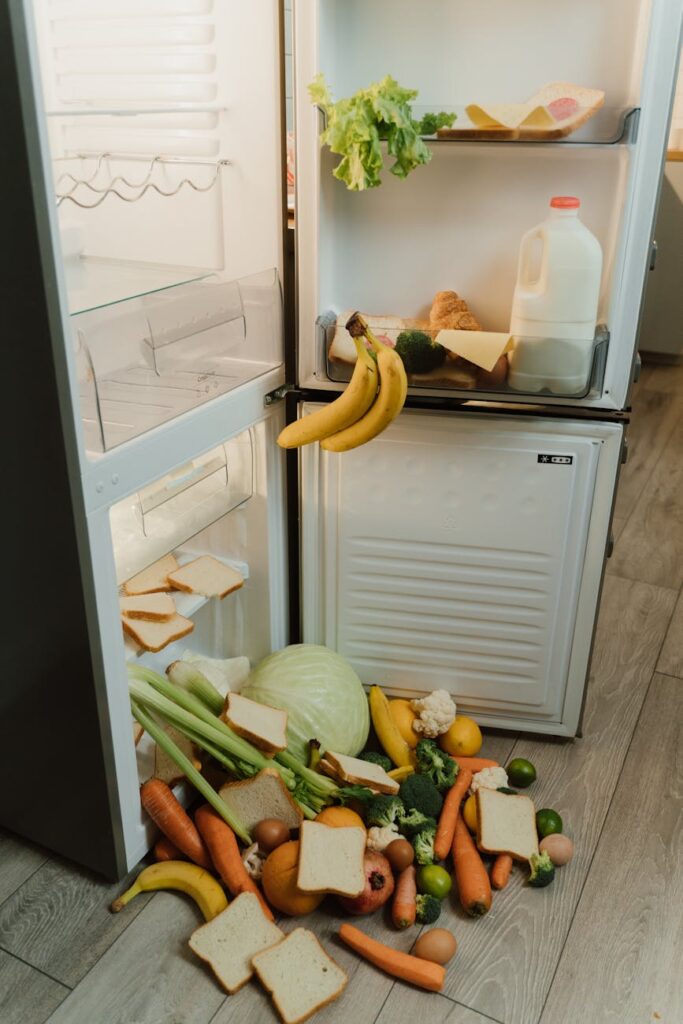
Mold in Fridge Stains Guide Part 1
Introduction
Finding mold in your fridge can be unsettling. Not only does it create unsightly stains, but it can also pose a risk to your food and health. In this guide, we’ll explore the causes of fridge mold stains, how to fix them, and tips for prevention. Let’s get rid of those stains for good!
What Causes Stains?
Mold stains in your fridge are primarily caused by:
1. Food Spoilage: Fruits and vegetables left too long can rot, leading to mold growth.
2. Moisture: High humidity or spills can create an environment conducive to mold.
3. Temperature Fluctuations: Keeping your fridge at the wrong temperature can spoil food.
4. Poor Air Circulation: Overstuffing your fridge inhibits airflow, promoting damp conditions.
Understanding these causes is crucial to effectively tackling the issue.
Why This Problem Happens
Mold develops in fridges primarily due to dampness and organic matter. When food spills or condenses, it creates a breeding ground for mold. Additionally, if your fridge isn’t cleaned regularly or the temperature isn’t properly maintained, mold can thrive. It’s essential to address these factors to prevent stains from recurring.
How to Fix Stains (Step-by-Step)
Here’s a straightforward method to tackle mold stains in your fridge:
Step 1: Empty the Fridge
- Remove all items: Take everything out, including shelves and drawers.
- Inspect food: Discard any expired or spoiled items.
- Choose a cleaner: Use either a commercial mold cleaner or a homemade solution (mix equal parts of water and white vinegar or a few drops of dish soap in warm water).
- Wipe down surfaces: Use a sponge or cloth to scrub down all surfaces, including shelves and walls.
- Focus on stained areas: Pay extra attention to spots with visible mold stains.
- Rinse with clean water: Use another cloth dipped in clean water to wipe away any residue from the cleaning solution.
- Dry thoroughly: Use a dry towel to ensure no moisture remains.
- Organize your food: Put everything back, ensuring no mold-prone items are stored improperly.
- Ignoring Spills: Clean up spills immediately to prevent mold from developing.
- Using Harsh Chemicals: Avoid bleach or ammonia, as these can leave harmful residues.
- Not Ventilating: Ensure proper airflow in the fridge; don’t overcrowd it.
- Neglecting Regular Cleaning: Schedule regular cleanings to prevent mold buildup.
Step 2: Prepare Your Cleaning Solution
Step 3: Clean the Interior
Step 4: Rinse and Dry
Step 5: Replace Items
Best Cleaning Methods
Here are some effective cleaning methods for dealing with mold stains:
1. Vinegar Solution: Vinegar is a natural antimicrobial that can kill mold spores. It’s safe and effective.
2. Baking Soda Paste: Mix baking soda with water to form a paste. Apply it to stains and let it sit for 15-20 minutes before scrubbing.
3. Hydrogen Peroxide: This is a stronger option. Apply it directly to stains, let it sit for 10 minutes, and then scrub.
4. Commercial Cleaners: If you prefer store-bought solutions, look for mold-specific cleaners that are safe for food environments.
Common Mistakes to Avoid
When tackling mold stains, avoid these pitfalls:
Prevention Tips
To keep your fridge mold-free, follow these tips:
1. Regular Cleaning: Clean your fridge at least once a month.
2. Proper Temperature: Keep your fridge at or below 40°F (4°C).
3. Store Food Properly: Use airtight containers for leftovers and moist items.
4. Check Expiry Dates: Regularly inspect your food and discard items that are past their prime.
5. Wipe Spills Immediately: Don’t let spills sit; clean them up right away.
Frequently Asked Questions
1. How often should I clean my fridge?
Aim for a deep clean at least once a month, and spot clean as needed.
2. Can I use bleach to clean mold in my fridge?
It’s best to avoid bleach as it can leave harmful residues. Stick to vinegar or baking soda.
3. What temperature should my fridge be set to?
Keep your fridge at or below 40°F (4°C) to inhibit mold growth.
4. How can I tell if mold is affecting my food?
If food appears discolored, has an off smell, or shows signs of fuzziness, it’s likely spoiled and should be discarded.
5. Are there specific foods that are more prone to mold?
Yes, fruits and vegetables with high moisture content, like berries and tomatoes, are more susceptible to mold.
6. Can I eat food from a fridge with mold stains?
It’s best to discard any food that has come into contact with mold to avoid health risks.
With these practical steps and tips, you can effectively deal with mold stains in your fridge and maintain a clean environment for your food. Stay vigilant, and your fridge will remain a safe place for your groceries.