
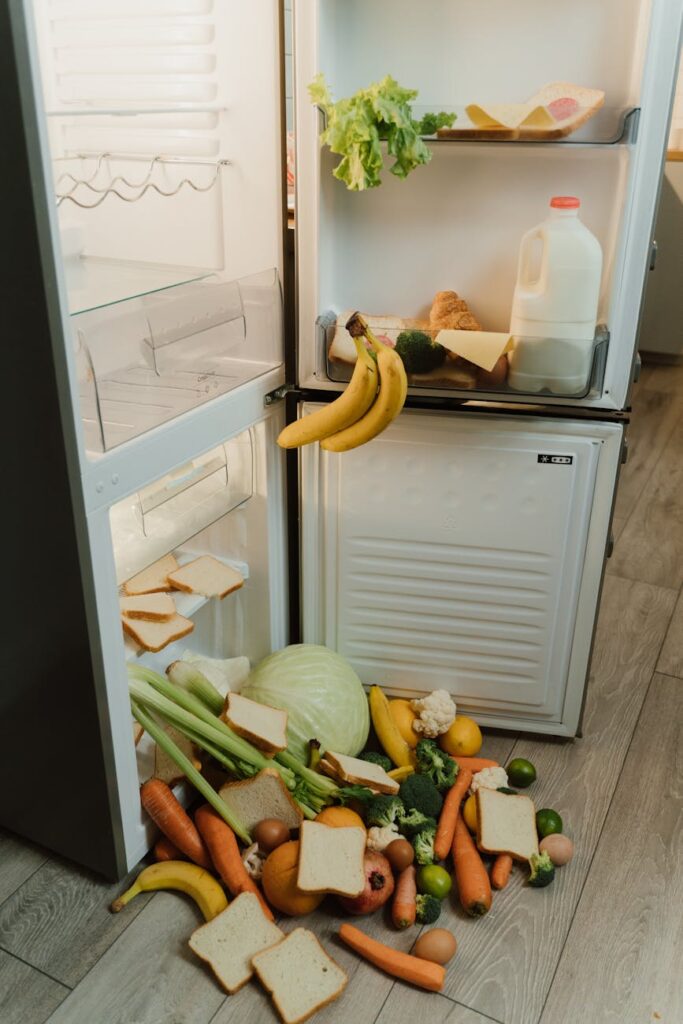
Mold in Fridge Odours Guide Part 2
Introduction
Dealing with unpleasant odours from mold in your fridge can be frustrating. Not only do these smells make your food unappetizing, but they can also indicate underlying issues that need addressing. In this guide, we will explore the causes of these odours, how to effectively eliminate them, and tips to prevent them from recurring.
What Causes Odours?
Mold in your fridge can produce a range of unpleasant smells. Here are the primary culprits:
- Spoiled Food: Leftovers that have gone bad can emit foul odours, which can mix with mold smells.
- Moisture: High humidity levels can foster mold growth, leading to musty smells.
- Food Particles: Spills and crumbs can trap moisture and create an environment for mold.
- Old Produce: Fruits and vegetables that are past their prime can release gases that contribute to odours.
- Infrequent Cleaning: If you don’t clean your fridge regularly, spills and food residues can accumulate.
- Temperature Fluctuations: Keeping your fridge too warm can encourage mold growth.
- Poor Airflow: Overcrowding your fridge can restrict air circulation, creating a humid environment.
- Old Fridge: Older models may not maintain consistent temperatures, making them more prone to mold growth.
- Vinegar Solution: As mentioned, vinegar is a natural disinfectant that neutralizes odours.
- Baking Soda: It absorbs odours effectively and can be used in a variety of ways.
- Hydrogen Peroxide: For more stubborn mold, mix hydrogen peroxide with water (in a 1:1 ratio) to spray on affected areas. Let it sit for a few minutes before wiping down.
- Commercial Cleaners: If you prefer store-bought products, look for eco-friendly freezer and fridge cleaners that specifically target mold and odours.
- Ignoring Spills: Failing to clean spills promptly can lead to persistent odours.
- Not Checking Expiration Dates: Keeping expired food can be a significant source of odour.
- Overcrowding: Stuffing your fridge can restrict airflow, which encourages mold growth.
- Using Strong Chemicals: Avoid using harsh cleaners that can leave residues and may not be safe around food.
- Regular Cleaning: Schedule a thorough fridge cleaning every few weeks to prevent build-up.
- Monitor Humidity: Keep your fridge temperature between 35°F and 38°F (1.6°C to 3.3°C) to inhibit mold growth.
- Store Food Properly: Use airtight containers for leftovers and produce to minimize exposure to air and moisture.
- Keep It Organized: Arrange food items so that air can circulate freely, preventing damp spots.
Understanding these causes is the first step toward a fresher-smelling fridge.
Why This Problem Happens
Several factors can lead to mold growth and associated odours in your fridge:
Identifying these underlying issues is crucial for maintaining a clean and odour-free fridge.
How to Fix Odours (Step-by-Step)
1. Empty the Fridge: Remove all items from the fridge. Check expiration dates and discard anything that is spoiled or questionable.
2. Inspect for Mold: Look for visible mold on shelves, walls, and food containers. If you find any, remove it carefully with a cloth.
3. Clean Surfaces: Use a mixture of warm water and mild dish soap to wipe down all surfaces. Pay special attention to corners and crevices.
4. Use a Vinegar Solution: Mix equal parts water and white vinegar in a spray bottle. Spray affected areas and let it sit for 15 minutes before wiping clean. Vinegar is effective at neutralizing odours.
5. Baking Soda Treatment: After cleaning, scatter baking soda on the shelves. Leave it for a few hours to absorb lingering smells before vacuuming or wiping it away.
6. Check the Drainage Hole: Ensure that the drainage hole at the back of the fridge is clear. A clogged drain can create a breeding ground for mold.
7. Replace Odour Absorbers: If you use baking soda or activated charcoal as an odour absorber, replace it regularly for continued effectiveness.
Best Cleaning Methods
Common Mistakes to Avoid
Prevention Tips
Frequently Asked Questions
1. How often should I clean my fridge?
Aim to clean your fridge every 4 to 6 weeks, or more frequently if you notice spills or odours.
2. Can I use bleach to clean my fridge?
While bleach is effective at killing mold, it can leave harmful residues. It’s best to use vinegar or baking soda for cleaning food storage areas.
3. What should I do if the odour persists after cleaning?
If the smell continues, consider checking the drainage hole for clogs or inspecting the fridge’s interior components, as they may need cleaning.
4. How can I tell if there’s mold I can’t see?
Unusual or strong smells are often a sign of hidden mold. If you suspect mold but can’t see it, a thorough cleaning is essential.
5. Is it safe to eat food that has been in a moldy fridge?
It’s best to discard any food that may have been contaminated by mold, especially if it has a noticeable smell.
6. Can I use essential oils to mask the smell?
While essential oils can temporarily mask odours, they don’t address the root cause. It’s best to clean the fridge thoroughly first.
By following these steps and tips, you can eliminate mold-related odours from your fridge and keep your food storage area fresh and clean. Regular maintenance will help ensure that unpleasant smells don’t become a recurring issue.