
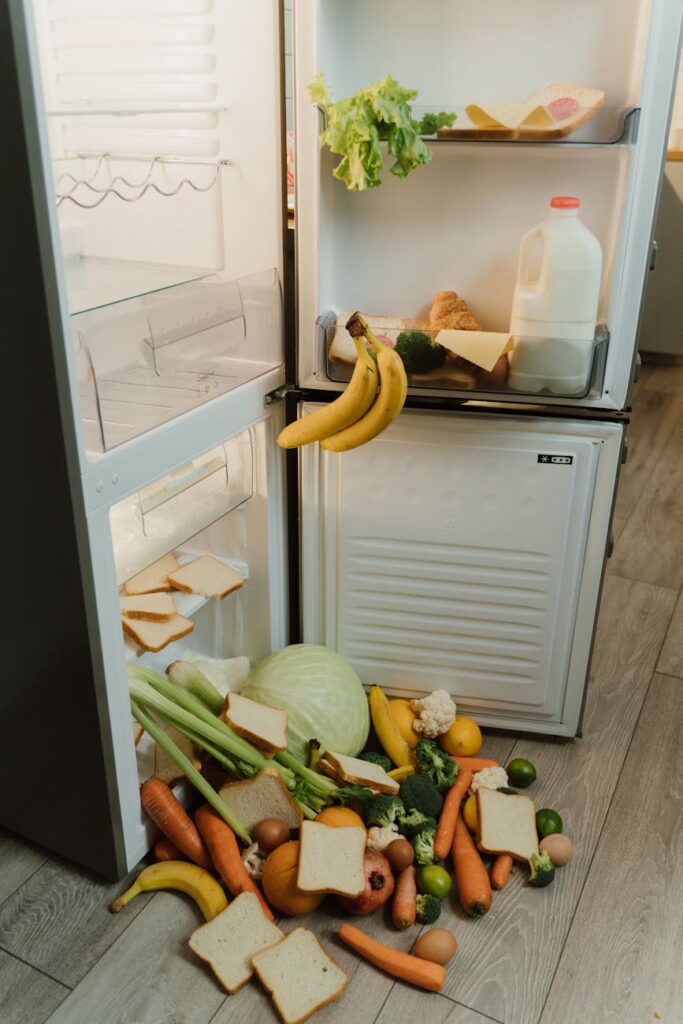
Mold in Fridge Odours Guide Part 1
Introduction
A clean refrigerator is essential for maintaining food quality and safety. However, unpleasant odours can develop due to mold growth. This guide will help you understand the causes of these odours, why they occur, and provide practical steps to eliminate them effectively.
What Causes Odours?
Odours in your fridge often stem from:
1. Spoiled Food: Expired or decomposing food is a primary culprit.
2. Mold Growth: Moist environments like fridges can encourage mold, especially on damp surfaces.
3. Spills: Liquids that spill and are left to sit can create a breeding ground for bacteria and mold.
4. Improper Airflow: Overcrowding can restrict airflow, leading to stale smells.
Why This Problem Happens
Understanding why fridge odours occur is crucial for effective cleaning:
- Moisture: Refrigerators are designed to keep food cold but can also trap moisture, especially if they are not properly sealed.
- Temperature Fluctuations: Frequent opening of the fridge can cause temperature changes, leading to condensation and mold growth.
- Old Food: Food items left past their expiration date can contribute to bacteria and mold, exacerbating odours.
- Remove all items from your fridge.
- Check expiration dates and discard spoiled items.
- Place perishable items in a cooler with ice packs if needed.
- Use a mixture of warm water and dish soap or a vinegar solution (1 part vinegar to 2 parts water).
- Wipe down all surfaces, including shelves, walls, and the door. Pay special attention to corners and crevices where mold can hide.
- Rinse with clean water and dry thoroughly with a microfiber cloth.
- If you find visible mold, scrub the area with a baking soda paste (mix baking soda with water) to help eliminate it.
- For strong odours, place an open box of baking soda in the fridge after cleaning. It absorbs smells effectively.
- Locate the drip pan (usually at the bottom of the fridge) and check for spills or mold.
- Remove it, clean it with soap and water, and let it dry completely before reinstalling.
- Leave the fridge door open for a few hours to allow trapped air and moisture to escape.
- Uses: Absorbs odours and acts as a mild abrasive for scrubbing.
- How: Place an open box inside the fridge, or make a paste for scrubbing surfaces.
- Uses: Natural disinfectant that kills mold and bacteria.
- How: Spray a vinegar solution on surfaces and wipe down with a cloth.
- Uses: Natural deodorizer with antibacterial properties.
- How: Place cut lemon halves in the fridge or mix with water for a cleaning solution.
- Uses: Pleasant scents can mask odours and deter mold.
- How: Add a few drops of tea tree or lavender oil to your cleaning solution.
- Ignoring Spills: Even small spills can lead to larger odour issues if not cleaned promptly.
- Overcrowding: Keep your fridge organized to allow airflow and prevent stagnant air.
- Using Harsh Chemicals: These can leave residual smells and may not be safe for food areas.
- Neglecting the Drip Pan: Always check and clean the drip pan to prevent moisture buildup.
- Regular Cleaning: Clean your fridge at least once a month to prevent odours from building up.
- Proper Food Storage: Use airtight containers for leftovers and regularly check expiration dates.
- Monitor Moisture: Avoid placing hot food directly into the fridge and ensure the door seals properly.
- Use Odour Absorbers: Keep an open box of baking soda or activated charcoal in the fridge to absorb smells.
How to Fix Odours (Step-by-Step)
Here’s how to tackle those odours effectively:
Step 1: Empty the Fridge
Step 2: Clean Surfaces
Step 3: Remove Odour Sources
Step 4: Check the Drip Pan
Step 5: Air It Out
Best Cleaning Methods
When it comes to cleaning your fridge, consider these effective methods:
Baking Soda
Vinegar
Lemon Juice
Essential Oils
Common Mistakes to Avoid
To ensure your cleaning is effective, avoid these pitfalls:
Prevention Tips
To keep your fridge smelling fresh:
Frequently Asked Questions
1. How often should I clean my fridge to prevent odours?
Aim to clean your fridge at least once a month. Regularly check and remove expired items weekly.
2. What should I do if the odour persists after cleaning?
If odours linger, consider placing an open box of baking soda inside the fridge or using activated charcoal to absorb smells.
3. Can I use bleach to clean my fridge?
Avoid using bleach as it can leave a strong smell and may not be safe for food areas. Stick to natural cleaners like vinegar and baking soda.
4. How can I prevent mold growth in my fridge?
Keep your fridge clean and dry. Ensure that food is stored in airtight containers, and regularly check for any spills.
5. Is it safe to eat food that smells bad?
If food has an off-putting smell, it’s best to err on the side of caution and discard it. Consuming spoiled food can lead to foodborne illnesses.
6. What is the best way to get rid of a musty smell in my fridge?
A thorough cleaning with a vinegar solution followed by placing an open box of baking soda inside should help eliminate musty smells effectively.
By following these steps and tips, you can keep your fridge odour-free and ensure a clean, safe storage space for your food. Stay tuned for more tips in Part 2 of our guide!