
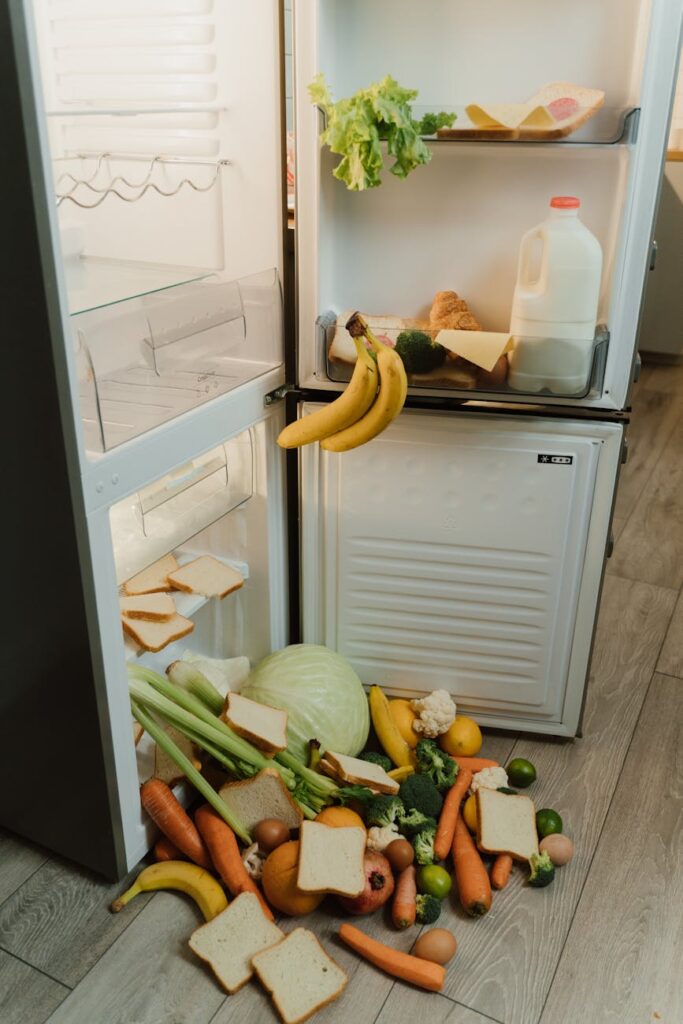
Mold in Fridge Mould & Damp Guide Part 2
Introduction
Mold in your fridge can be more than just an unsightly nuisance; it can affect the quality of your food and even pose health risks. In this guide, we’ll explore the causes of mold and dampness in your refrigerator, provide effective cleaning solutions, and offer practical prevention tips to keep your fridge fresh and mold-free.
What Causes Mould & Damp?
Mold thrives in moist environments, and your fridge can provide just the right conditions for its growth. Here are the primary causes:
1. High Humidity: Excess moisture in the air can lead to condensation inside your fridge.
2. Spills and Spoilage: Food spills and decomposing items can create damp spots that promote mold growth.
3. Temperature Fluctuations: Inconsistent cooling can lead to areas of warmth, encouraging mold.
4. Poor Air Circulation: Overcrowding your fridge can impede airflow, allowing damp areas to develop.
5. Damaged Seals: Worn-out door seals can let in moist air, elevating humidity levels.
Why This Problem Happens
Understanding why mold develops in your fridge is crucial for prevention and maintenance. Here’s a deeper look at the contributing factors:
- Food Storage Practices: Storing food improperly can lead to spills and increased humidity.
- Frequent Opening: Constantly opening the fridge allows warm air to enter, causing condensation.
- Neglecting Cleaning: Regular cleaning is essential; neglecting this can lead to mold proliferation.
- Infrequent Checks: Not routinely checking for expired or spoiled food can result in damp, moldy conditions.
- Rubber gloves
- Face mask (optional)
- Bucket
- Warm water
- Mild detergent or vinegar
- Baking soda
- Soft cloths or sponges
- Old toothbrush (for tough spots)
- Trash bags
- Vinegar Solution: Vinegar is a natural mold killer. Its acidic properties not only clean but also help prevent future growth.
- Baking Soda Paste: Mix baking soda with a little water to create a paste. This can be used to scrub tough mold spots effectively.
- Hydrogen Peroxide: A solution of hydrogen peroxide can be used as a disinfectant. Spray it on affected areas and let it sit for 10 minutes before wiping clean.
- Skipping Regular Cleanings: Don’t wait for visible mold to clean; aim for a deep clean every few months.
- Using Harsh Chemicals: Avoid bleach or ammonia, as they can leave harmful residues in your fridge.
- Not Drying Properly: Mold thrives in moisture, so ensure surfaces are thoroughly dried after cleaning.
- Overcrowding the Fridge: Leave space between items for proper air circulation.
How to Fix Mould & Damp (Step-by-Step)
Cleaning mold from your fridge is a straightforward process. Here’s how to do it:
Step 1: Gather Your Supplies
You’ll need:
Step 2: Empty the Fridge
Remove all food items from the fridge. Check expiration dates and discard any spoiled or moldy items.
Step 3: Remove Shelves and Drawers
Take out all removable parts. This makes it easier to clean every corner of the fridge.
Step 4: Clean the Interior
1. Create a Cleaning Solution: Mix warm water with a few drops of mild detergent or use a 50/50 solution of vinegar and water.
2. Scrub Surfaces: Use a soft cloth or sponge to scrub the interior surfaces, paying close attention to corners and seals.
3. Tackle Tough Spots: For stubborn mold, use an old toothbrush to scrub away the residue.
Step 5: Rinse and Dry
Wipe down all surfaces with clean water to remove any detergent or vinegar residue. Use a dry cloth to ensure everything is thoroughly dried.
Step 6: Sanitize Shelves and Drawers
Wash the shelves and drawers with warm soapy water, rinse, and dry completely before placing them back in the fridge.
Step 7: Replace Food Items
Before putting food back, check each item for freshness. Store food in airtight containers to help minimize moisture.
Best Cleaning Methods
When tackling mold in your fridge, consider these effective cleaning methods:
Common Mistakes to Avoid
Avoid these pitfalls to ensure your cleaning efforts are effective:
Prevention Tips
Preventing mold in your fridge requires consistent maintenance. Here are some tips:
1. Check Humidity Settings: Keep your fridge humidity settings at optimal levels.
2. Store Food Properly: Use airtight containers to reduce moisture and prevent spills.
3. Regularly Inspect Food: Check for expired items and remove them promptly.
4. Clean Spills Immediately: Don’t let spills sit; clean them as soon as they occur.
5. Maintain Temperature: Keep your fridge at or below 40°F (4°C) to combat mold growth.
6. Air Flow: Avoid overcrowding your fridge to enhance air circulation.
Frequently Asked Questions
1. How often should I clean my fridge to prevent mold?
It is recommended to clean your fridge every 1-3 months, depending on how often you use it and how much food you store.
2. Can I use bleach to clean mold in my fridge?
No, avoid using bleach as it can leave harmful residues. Opt for vinegar or baking soda instead.
3. What should I do if the mold keeps coming back?
Regular cleaning and proper food storage are key. Inspect for leaks or damaged seals that might be allowing moisture in.
4. Is it safe to eat food that was in a moldy fridge?
If food is visibly moldy or smells off, it’s best to discard it. Some items may be salvageable if cleaned properly, but exercise caution.
5. How can I tell if my fridge seal is broken?
If you notice frost buildup or an increase in humidity, check the seals for cracks or wear. You can test the seal by closing the door on a piece of paper; if you can pull it out easily, the seal may need replacing.
6. What are the signs of mold growth in my fridge?
Signs include visible mold spots, unusual odors, and moisture accumulation. Regular inspections can help catch these early.
By following this comprehensive guide, you can effectively tackle mold and damp issues in your fridge, ensuring a cleaner, healthier food storage environment. Regular maintenance and awareness are key to preventing mold from becoming a recurring problem.