
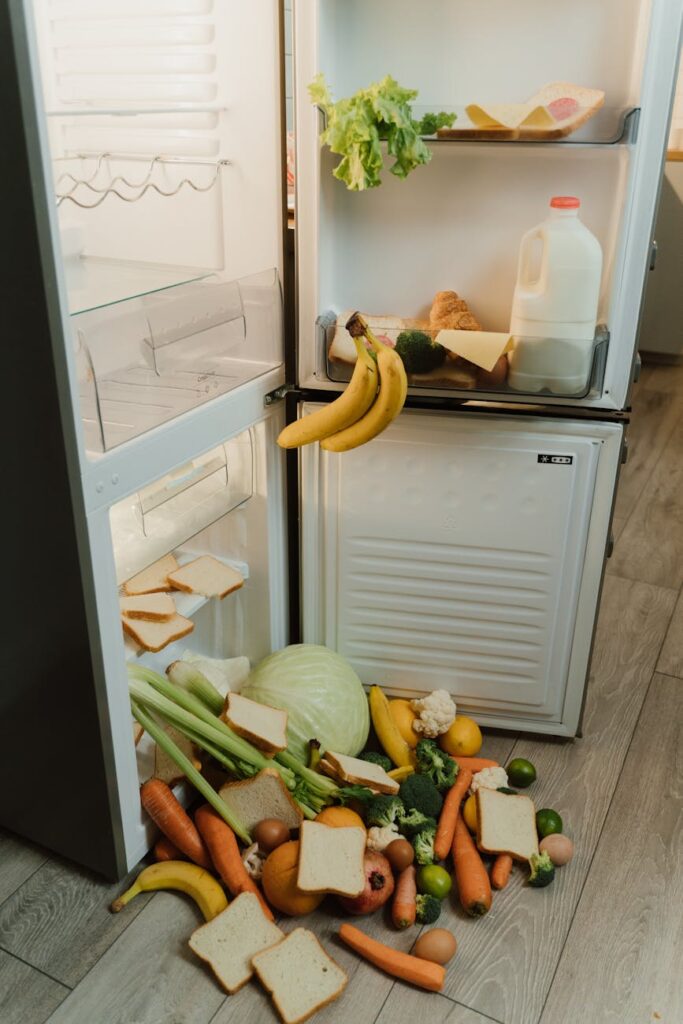
Mold in Fridge Kitchen Guide Part 1
Introduction
Mold in your fridge can be a frustrating and unsightly problem. Not only does it affect the appearance of your food storage, but it can also pose risks to your health. This guide is designed to help you understand the causes of mold growth in your fridge, how to effectively clean it, and steps you can take to prevent it from returning.
What Causes Mold in the Kitchen?
Mold thrives in damp, dark environments, making your fridge a perfect breeding ground if not properly maintained. Here are the primary factors that contribute to mold growth in your refrigerator:
1. Moisture: Excess moisture from food items, spills, or humidity can encourage mold.
2. Food Residue: Unsealed food containers and spills left unattended can create a conducive environment for mold.
3. Temperature Fluctuations: Inconsistent temperatures can create condensation, leading to moisture buildup.
4. Poor Air Circulation: Overpacking your fridge restricts airflow, which can trap humidity.
5. Expired Food: Old or spoiled food can release moisture and nutrients that mold needs to grow.
Why This Problem Happens
Understanding why mold appears in your fridge is crucial in tackling it effectively. The following factors contribute to the problem:
- Temperature Settings: A fridge should typically be set between 35°F to 38°F (1.6°C to 3.3°C). If it’s too warm, food can spoil and create moisture.
- Cleaning Habits: Infrequent cleaning can lead to the accumulation of spills and food particles, which mold feeds on.
- Humidity Levels: High humidity levels in your kitchen can transfer to your fridge, exacerbating the problem.
- Airflow Issues: Blocked vents due to overcrowding can hinder airflow, allowing moisture to accumulate.
- Rubber gloves
- Face mask (optional)
- Sponge or cloth
- Bucket
- Dish soap
- White vinegar or baking soda
- Scrub brush (optional)
- Trash bags
- Remove all food items, placing perishable items in a cooler if necessary.
- Discard any expired or moldy food.
- Inspect the rubber gaskets around the fridge door. Mold can accumulate here, so scrub them with soapy water and dry thoroughly.
- Before putting food back, ensure that everything is clean and dry. Use airtight containers for leftovers to prevent moisture buildup.
How to Fix Mold in the Kitchen (Step-by-Step)
If you’ve discovered mold in your fridge, it’s time to take action. Follow these simple steps to clean it effectively:
Step 1: Gather Your Supplies
You’ll need:
Step 2: Empty Your Fridge
Step 3: Clean the Shelves and Drawers
1. Remove Shelves and Drawers: Take out any removable parts, such as shelves and drawers.
2. Wash with Soapy Water: Clean them in the sink using warm soapy water. Scrub well to remove any residue.
3. Rinse and Dry: Rinse thoroughly and let them dry completely.
Step 4: Clean the Interior
1. Wipe Down Surfaces: Use a sponge or cloth soaked in a mixture of water and dish soap to wipe down the interior walls of the fridge.
2. Use Vinegar or Baking Soda: For stubborn mold spots, apply a mixture of equal parts water and white vinegar or a paste of baking soda and water. Let it sit for about 15 minutes before scrubbing.
3. Rinse and Dry: Wipe down with a clean, damp cloth and dry with a towel.
Step 5: Clean the Gaskets
Step 6: Restock Your Fridge
Best Cleaning Methods
To effectively combat mold in your fridge, consider these cleaning methods:
1. Vinegar: A natural disinfectant that kills most mold types. Use it diluted with water for regular cleaning.
2. Baking Soda: A gentle abrasive that can scrub away mold without scratching surfaces. It also neutralizes odors.
3. Hydrogen Peroxide: A strong mold killer, but should be used with caution. Test on a small area first.
4. Commercial Cleaners: If you prefer, there are many commercial mold removers available. Always follow the manufacturer’s instructions.
Common Mistakes to Avoid
When dealing with mold in your fridge, keep these common mistakes in mind:
1. Not Removing Food: Cleaning around items instead of removing them can leave mold and residue behind.
2. Using Harsh Chemicals: Strong chemical cleaners may not only be ineffective but can also leave harmful residues.
3. Ignoring Expiration Dates: Keeping expired food can contribute to mold growth.
4. Failure to Dry Surfaces: Not thoroughly drying the interior can lead to renewed mold growth.
Prevention Tips
Preventing mold from returning to your fridge is essential. Here are some effective strategies:
1. Regular Cleaning: Clean your fridge at least once a month to remove spills and crumbs.
2. Proper Food Storage: Use airtight containers to keep food fresh and minimize moisture.
3. Monitor Humidity: Keep humidity levels in your kitchen low by using exhaust fans when cooking.
4. Organize Your Fridge: Avoid overcrowding to ensure proper air circulation.
5. Check Temperature Settings: Regularly monitor the temperature to ensure it stays within the ideal range.
Frequently Asked Questions
1. How often should I clean my fridge to prevent mold?
It’s best to clean your fridge at least once a month to prevent mold buildup.
2. Can I use bleach to clean mold in my fridge?
While bleach can kill mold, it can leave harmful residues. It’s better to use vinegar or baking soda for cleaning.
3. What should I do if mold keeps coming back?
If mold keeps returning, check for hidden spills, ensure proper air circulation, and regularly monitor the temperature.
4. Is it safe to eat food stored near mold?
It’s best to discard any food that has been in close contact with mold, as spores can spread easily.
5. Can I prevent mold by using baking soda in my fridge?
Yes, placing an open box of baking soda in your fridge can help absorb moisture and odors, reducing mold growth.
6. Should I call a professional for mold in my fridge?
For minor mold issues, DIY cleaning is usually sufficient. However, if mold persists or if you have a larger mold problem, consider consulting a professional.
By following these guidelines, you can effectively manage mold in your fridge and maintain a clean, healthy kitchen environment.