
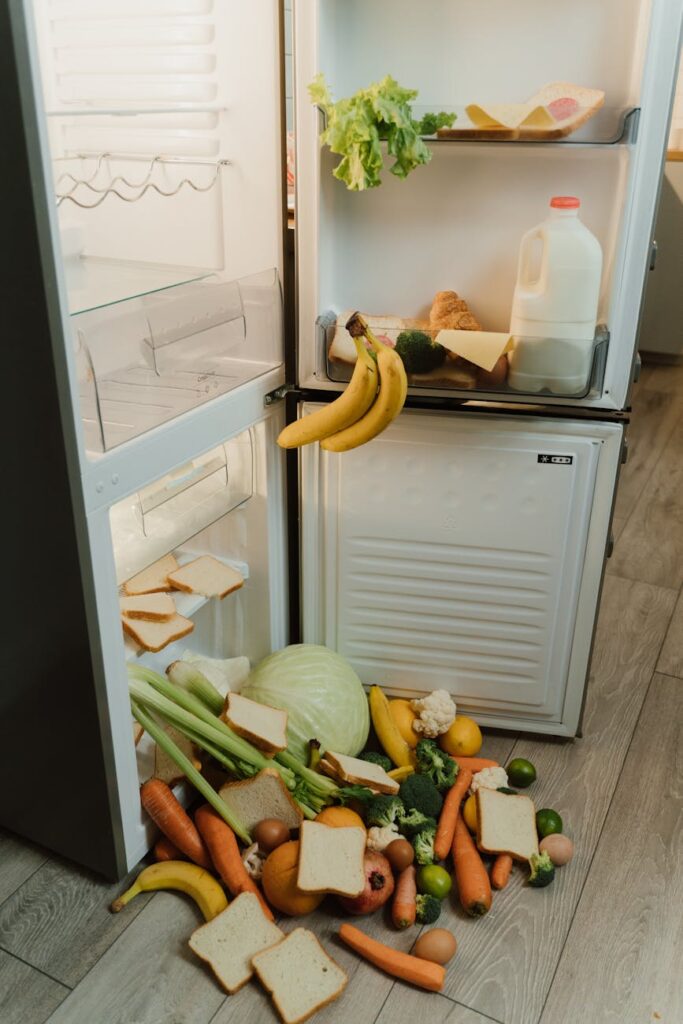
Mold in Fridge Cleaning Guide Part 1
Introduction
Finding mold in your fridge can be unsettling. Not only does it pose a hygiene issue, but it can also affect the freshness of your food. This guide will walk you through the causes of mold, effective cleaning methods, and how to prevent it from returning.
What Causes Mold in the Fridge?
Mold thrives in damp, warm, and poorly ventilated environments. The fridge, while cool, can still provide ideal conditions for mold growth if certain factors are present. Here are the primary causes:
- Food Spills: Spilled liquids or food remnants can create a moist environment.
- Expired Food: Leftovers that have gone bad can become breeding grounds for mold.
- High Humidity: If the fridge is not set to the proper temperature, humidity can accumulate.
- Improper Sealing: Faulty door seals can let warm air in, promoting mold growth.
- Remove Everything: Take out all food items, condiments, and drinks.
- Check Dates: Discard any expired or questionable items.
- Inspect Surfaces: Look for visible mold on shelves, walls, and door seals.
- Wear Gloves: Protect your hands from mold spores.
- Prepare a Cleaning Solution: Mix equal parts of water and white vinegar in a spray bottle. Alternatively, use a mild detergent.
- Spray Surfaces: Generously apply the solution to affected areas.
- Scrub: Use a soft cloth or sponge to scrub away the mold. For stubborn spots, let the solution sit for a few minutes before scrubbing.
- Wipe with Water: Use a clean cloth dampened with water to remove any cleaning solution residue.
- Dry Thoroughly: Ensure all surfaces are completely dry to prevent mold from returning.
- Wipe Containers: Clean jars, bottles, and containers before placing them back in the fridge.
- Inspect Packaging: Dispose of any items with visible mold or damage.
- Restock the Fridge: Place the cleaned items back into the fridge, organizing them to maximize airflow.
- Why It Works: Vinegar is a natural antifungal and antibacterial agent.
- How to Use: Spray undiluted vinegar on moldy areas for a strong treatment.
- Why It Works: Baking soda is a mild abrasive that can lift mold while neutralizing odors.
- How to Use: Mix baking soda with water to form a paste, apply to moldy areas, let sit for 15 minutes, then scrub.
- Why It Works: This is effective for killing mold spores.
- How to Use: Use a 3% hydrogen peroxide solution, spray on affected areas, and let sit for 10 minutes before wiping clean.
- Not Cleaning Regularly: Mold can form quickly; regular checks can prevent build-up.
- Ignoring Expired Foods: Old food should be disposed of promptly to avoid contamination.
- Using Harsh Chemicals: Strong chemicals can leave residues that are unsafe for food contact.
- Overloading the Fridge: This can restrict airflow and create warm spots conducive to mold growth.
- Maintain Temperature: Keep your fridge at or below 40°F (4°C).
- Seal Properly: Ensure door seals are intact to prevent warm air from entering.
- Regular Cleaning: Schedule a monthly deep clean to remove spills and expired items.
- Use Baking Soda: Place an open box in your fridge to absorb odors and moisture.
Why This Problem Happens
Understanding why mold appears in your fridge can help you tackle the problem effectively. Mold spores are present in the air and can settle on food surfaces. When conditions are right—such as moisture and warmth—mold can grow quickly.
Additionally, if your refrigerator is not cleaned regularly, mold can build upon surfaces and spread to other food items. Knowing the contributing factors can help you identify mold early and take action before it becomes a more significant issue.
How to Fix Mold in the Fridge (Step-by-Step)
Cleaning mold from your fridge is a straightforward process. Follow these steps to ensure a thorough and effective clean:
Step 1: Empty the Fridge
Step 2: Assess and Remove Mold
Step 3: Clean the Interior
Step 4: Rinse and Dry
Step 5: Clean Food Items
Step 6: Replace Everything
Best Cleaning Methods
Different cleaning methods can be effective against mold. Here are some of the best:
Vinegar Solution
Baking Soda Paste
Hydrogen Peroxide
Common Mistakes to Avoid
To ensure effective cleaning, avoid these common pitfalls:
Prevention Tips
To keep mold at bay, consider these preventive measures:
Frequently Asked Questions
1. How often should I clean my fridge to prevent mold?
Aim to clean your fridge at least once a month, checking for spills and expired items weekly.
2. Can I use bleach to clean mold in my fridge?
While bleach can kill mold, it is not recommended for food surfaces due to potential residues. Use vinegar or baking soda instead.
3. What should I do if the mold keeps coming back?
If mold returns, reassess your fridge’s temperature settings, check seals, and increase the frequency of cleaning.
4. Is it safe to eat food that was near mold?
If food is sealed and only the packaging is moldy, it’s usually safe once cleaned. However, if the food itself shows signs of mold, discard it.
5. How can I tell if my fridge is too humid?
If you notice condensation forming on the fridge walls or if food spoils quickly, your humidity levels may be too high.
6. What are the signs of mold in the fridge?
Look for visible mold spots, musty odors, and unusual discoloration on food items.
By following this guide, you can effectively tackle and prevent mold in your fridge, ensuring a clean and safe environment for your food.