
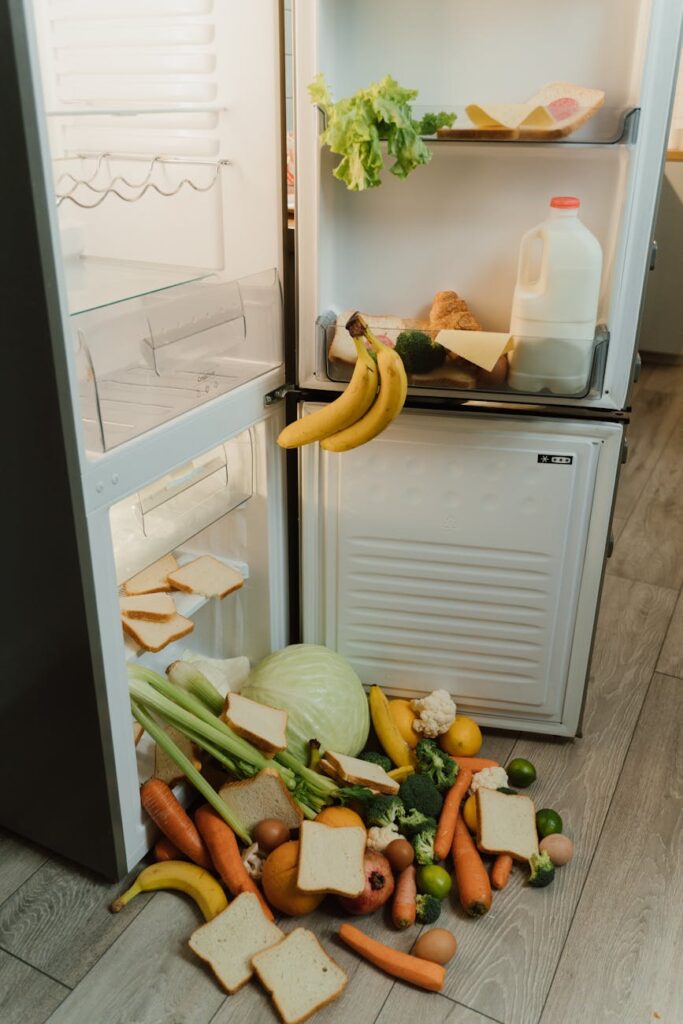
Mold in Fridge Appliances Guide Part 1
Introduction
Finding mold in your refrigerator can be a frustrating and concerning experience. Not only can mold affect the quality of your food, but it can also pose health risks. This comprehensive guide will help you understand the causes of mold in your fridge, how to fix the issue, and ways to prevent it from returning.
What Causes Appliances?
Mold thrives in damp, warm environments, making your fridge an ideal breeding ground if certain conditions exist. The main contributors to mold growth in refrigerators include:
- Moisture: Excess moisture from spills, condensation, or improperly sealed containers can lead to mold.
- Food Spoilage: Leftover food items, especially those past their expiration dates, can harbor mold spores.
- Poor Airflow: Blocked vents can hinder air circulation, creating stagnant conditions conducive to mold growth.
- Temperature Fluctuations: Inconsistent temperatures, often due to a malfunctioning fridge, can create an environment where mold can thrive.
- High Humidity: Humid climates or frequent opening of the fridge can increase moisture levels.
- Infrequent Cleaning: Neglecting regular cleaning can allow mold spores to settle and grow.
- Improper Food Storage: Storing food without proper sealing or covering can lead to spills and mold growth.
- Old Appliances: Aging appliances may not maintain consistent temperatures, allowing for mold development.
- Rubber gloves
- Mask
- Bucket
- Warm water
- Mild detergent or vinegar
- Baking soda (optional)
- Clean cloths or sponges
- Vinegar Solution: Mix equal parts of water and white vinegar in a bucket. This solution is effective in killing mold spores.
- Scrub: Use a clean cloth or sponge to wipe down all surfaces inside the fridge, including walls, shelves, and door seals.
- Baking Soda Paste: For tough spots, create a paste with baking soda and water. Apply it to the affected areas, let it sit for a few minutes, and scrub.
- Vinegar Spray: Use a spray bottle filled with vinegar to wipe down shelves regularly.
- Baking Soda: Place an open box of baking soda in the fridge to absorb odors and moisture.
- Essential Oils: Some essential oils, like tea tree oil, have natural antifungal properties. A few drops mixed with water can make an effective cleaning solution.
- Ignoring Spills: Always clean up spills immediately to prevent mold growth.
- Overpacking: Avoid overcrowding your fridge, as it restricts airflow and can lead to temperature fluctuations.
- Neglecting Maintenance: Regularly check and clean the fridge’s seals and drainage holes to prevent moisture buildup.
- Using Harsh Chemicals: Avoid bleach or strong chemicals, which can leave harmful residues.
- Regular Cleaning: Clean your fridge at least once a month.
- Proper Food Storage: Store food in airtight containers, and label items with dates for easy tracking.
- Monitor Temperature: Keep your fridge at or below 40°F (4°C) to inhibit mold growth.
- Keep It Dry: Wipe down moisture-prone areas regularly, and ensure that the fridge door seals tightly.
Why This Problem Happens
Understanding the underlying issues that lead to mold in your fridge can help you mitigate future problems. Here are several reasons why mold might be forming:
How to Fix Appliances (Step-by-Step)
If you discover mold in your fridge, timely action is essential. Follow these steps to effectively clean and eliminate the problem:
Step 1: Gather Supplies
Before you start, gather the following items:
Step 2: Remove All Items
Take everything out of the fridge. This includes food items, shelves, and bins. Inspect food for spoilage and discard anything that shows signs of mold or is past its expiration date.
Step 3: Disassemble the Fridge
If possible, remove shelves, drawers, and any removable components. This will allow for a thorough cleaning.
Step 4: Clean the Interior
Step 5: Rinse and Dry
After scrubbing, rinse your cloth in clean water and wipe down all surfaces again to remove any cleaning solution. Dry thoroughly to eliminate moisture.
Step 6: Reassemble and Restock
Once everything is clean and dry, reassemble the shelves and bins. Restock your fridge with fresh, sealed food items.
Best Cleaning Methods
To keep your fridge mold-free, consider these effective cleaning methods:
Common Mistakes to Avoid
Avoid these pitfalls to ensure your fridge remains mold-free:
Prevention Tips
Taking proactive measures can help prevent mold from returning:
Frequently Asked Questions
1. How often should I clean my fridge to prevent mold?
Aim to clean your fridge at least once a month to prevent mold and maintain freshness.
2. Can I use bleach to clean my fridge?
It’s not recommended to use bleach, as it can leave harmful residues. Opt for vinegar or baking soda instead.
3. How can I tell if mold is present in my fridge?
Look for dark spots or fuzzy growth on food or surfaces. A musty smell can also indicate mold presence.
4. What should I do if I find mold on food in my fridge?
Dispose of any moldy food immediately, as it can contaminate other items in the fridge.
5. How do I prevent moisture buildup in my fridge?
Ensure that food is properly sealed, regularly check for spills, and monitor the fridge’s temperature.
6. Can mold in the fridge affect my health?
Yes, mold can pose health risks, particularly for those with allergies or respiratory issues. Always address mold promptly.
By following these guidelines, you can effectively manage and prevent mold in your fridge, ensuring a clean and safe environment for your food. Stay tuned for Part 2, where we will delve deeper into specific products and techniques to keep your fridge mold-free.