
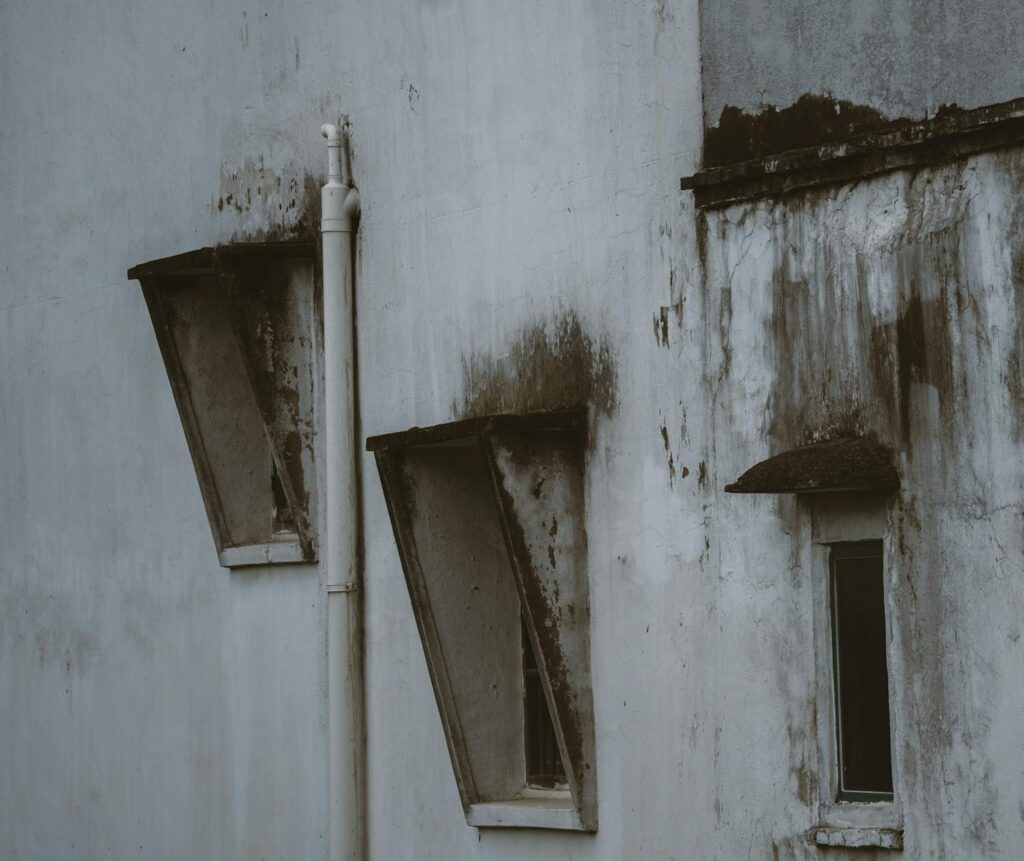
Mildew on Windows Stains Guide Part 2
Introduction
Mildew on windows can be a frustrating problem for homeowners. Not only does it affect the appearance of your home, but it can also lead to other issues, such as poor indoor air quality. This guide aims to provide you with practical, actionable steps to identify, remove, and prevent mildew stains on your windows.
What Causes Stains?
Mildew thrives in damp, warm environments, making windows an ideal location for its growth. Common causes of mildew stains on windows include:
- High Humidity: Areas with high humidity levels are more prone to mildew.
- Poor Ventilation: Inadequate airflow can trap moisture, promoting mildew growth.
- Condensation: When warm air meets cold surfaces, condensation can form, leading to mildew.
- Dirty Surfaces: Dust and organic matter provide nutrients for mildew to grow.
- Location: Windows in bathrooms, kitchens, and basements often have higher humidity and less airflow, making them more susceptible.
- Seasonal Changes: Warm, humid weather can accelerate mildew growth.
- Neglected Cleaning: Regular cleaning can prevent mildew from establishing a foothold. If windows are overlooked, mildew can develop quickly.
- Water Leaks: Leaks from roofs or walls can increase moisture levels around windows.
- White vinegar or commercial mildew cleaner
- Baking soda
- Spray bottle
- Soft cloth or sponge
- Scrub brush (non-abrasive)
- Rubber gloves
- Vinegar: A natural disinfectant that kills mildew and mold.
- Baking Soda: Acts as a gentle abrasive to scrub away stains.
- Commercial Cleaners: Look for products specifically designed to remove mildew.
- Hydrogen Peroxide: This can be used as a more potent alternative for stubborn stains.
- Using Abrasive Cleaners: These can scratch or damage your window surfaces.
- Not Wearing Gloves: Protect your skin when using strong chemicals.
- Skipping Rinsing: Residual cleaner can attract more dirt and mildew.
- Ignoring Prevention: Failing to implement preventive measures leads to recurring issues.
- Improve Ventilation: Use exhaust fans in high-humidity areas like bathrooms and kitchens.
- Control Humidity: Use dehumidifiers in damp areas to regulate moisture levels.
- Regular Cleaning: Clean windows at least once a month to prevent mildew buildup.
- Seal Leaks: Check for water leaks around windows and repair them promptly.
- Use Mildew-Resistant Products: Consider paint or window treatments that resist mildew growth.
Understanding these causes is key to addressing the problem effectively.
Why This Problem Happens
Mildew forms as a result of specific environmental conditions. Factors contributing to mildew growth on windows include:
Understanding these factors can help you take proactive measures.
How to Fix Stains (Step-by-Step)
Removing mildew stains from windows is straightforward. Follow these steps for effective cleaning:
Step 1: Gather Your Supplies
Step 2: Prepare the Area
Ensure the area is well-ventilated. Open windows and doors to allow fresh air to circulate. Lay down towels or plastic sheets to catch drips.
Step 3: Apply the Cleaning Solution
1. For Vinegar Solution: Mix equal parts of white vinegar and water in a spray bottle. Spray the affected areas generously.
2. For Baking Soda Paste: Mix baking soda with a small amount of water to create a paste. Apply it directly to the stained areas.
Step 4: Let It Sit
Allow the solution to sit for at least 10-15 minutes. This gives the cleaner time to break down the mildew.
Step 5: Scrub the Stains
Using a soft cloth or sponge, gently scrub the stained areas. For stubborn stains, use a non-abrasive scrub brush to avoid scratching the glass.
Step 6: Rinse and Dry
Rinse the area thoroughly with clean water and dry with a lint-free cloth to prevent water spots.
Step 7: Dispose of Waste
Dispose of any cleaning materials properly, especially if they contain mildew.
Best Cleaning Methods
Several effective methods can help you tackle mildew stains on your windows:
Choose a method that suits your preference and the severity of the mildew.
Common Mistakes to Avoid
Prevent setbacks by avoiding these common mistakes:
Being aware of these missteps can save you time and effort in the long run.
Prevention Tips
To keep your windows free from mildew, consider these preventive measures:
Implementing these tips will reduce the likelihood of future mildew stains.
Frequently Asked Questions
1. How often should I clean my windows to prevent mildew?
Aim to clean your windows at least once a month, especially in high-humidity areas.
2. Can mildew stains damage my windows?
While mildew primarily affects appearance, prolonged exposure can lead to surface damage and deterioration.
3. Is vinegar effective against all types of mildew?
Vinegar is effective against many types of mildew, but for severe infestations, consider using stronger commercial cleaners.
4. Can I use bleach to remove mildew from my windows?
While bleach can kill mildew, it may damage window frames and is not recommended for glass surfaces. Use vinegar or commercial cleaners instead.
5. What if the stains persist after cleaning?
If stains remain, consider using a stronger commercial mildew cleaner or consult a professional cleaning service.
6. How can I tell if I have a serious mildew problem?
If you notice a persistent musty smell, discoloration that returns quickly after cleaning, or if mildew spreads rapidly, it may indicate a more serious issue needing professional attention.
By following this guide, you can tackle mildew stains on your windows effectively and prevent them from returning. Keeping your windows clean not only enhances your home’s appearance but also contributes to a healthier living environment.