
Mildew on Windows: Mould & Damp Guide Part 1
Introduction
Mildew on windows is not just an eyesore; it can indicate larger issues with mould and dampness in your home. Tackling this problem promptly is essential to maintain a healthy living environment and ensure the longevity of your windows. In this guide, we will explore the causes, solutions, and prevention strategies for managing mildew effectively.
What Causes Mould & Damp?
Mould and dampness on windows are primarily caused by excess moisture in the air. Common contributors include:
- Humidity: High humidity levels create an ideal environment for mould spores to thrive.
- Condensation: When warm air meets cold surfaces, such as windows, it condenses into water droplets, leading to dampness.
- Poor Ventilation: Rooms lacking proper airflow can trap moisture, promoting mould growth.
- Water Leaks: Any leaks from roofing, plumbing, or window seals can introduce unwanted water.
- Temperature Fluctuations: Rapid changes in temperature can lead to condensation.
- Bathroom and Kitchen: These areas tend to have high humidity due to cooking and showering. Without adequate ventilation, windows can become breeding grounds for mould.
- Basements: Often cooler and more humid than other areas, basements are prone to dampness.
- Single-Paned Windows: Older or poorly insulated windows are more susceptible to condensation and subsequent mould growth.
- Seasonal Changes: During colder months, the temperature difference between indoor and outdoor air increases, leading to more condensation on windows.
- Rubber gloves
- Safety goggles
- Scrub brush or sponge
- Bucket
- White vinegar or a commercial mould cleaner
- Baking soda (optional)
- Spray bottle
- Microfiber cloth
- For a natural solution, mix equal parts white vinegar and water in a spray bottle.
- Alternatively, use a commercial mould cleaner according to the manufacturer’s instructions.
- Spray the affected area generously. Allow it to sit for about 10-15 minutes to penetrate and kill the mould.
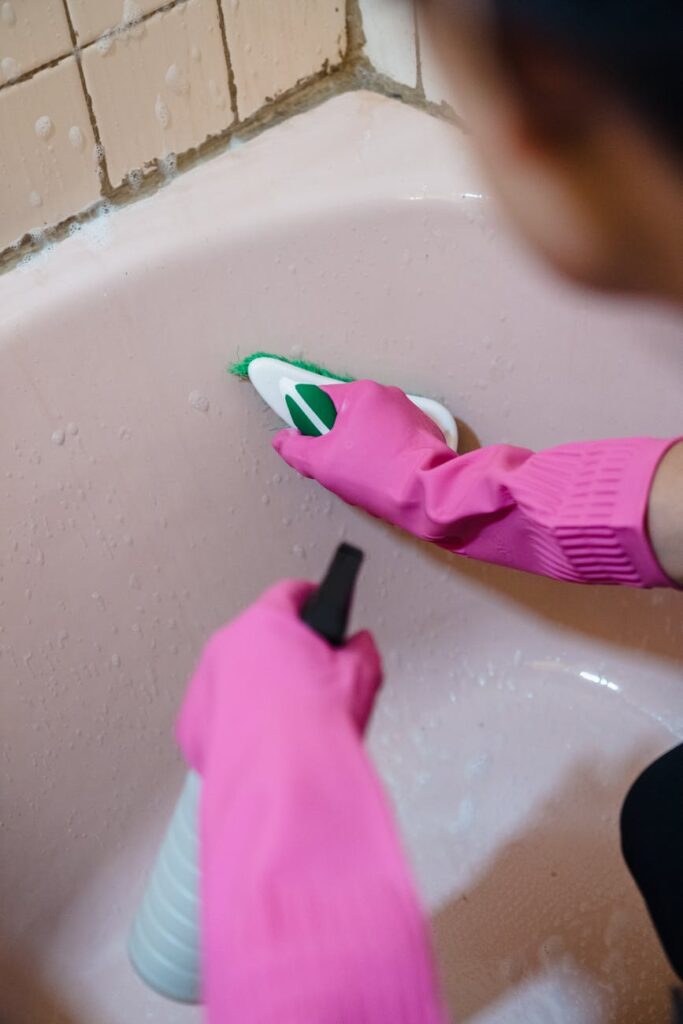
- Use a scrub brush or sponge to scrub the mouldy areas. Focus on corners and crevices where mould tends to hide.
- Wipe the area with a damp microfiber cloth to remove any residue. Dry the surface thoroughly to prevent further growth.
- White Vinegar: Effective in killing over 80% of mould species.
- Baking Soda: A mild abrasive that can help scrub away mould when mixed with water.
- Commercial Mould Cleaners: Contain potent mould inhibitors and are effective for severe cases. Always follow the usage instructions.
- If you have a steam cleaner, it can be an excellent tool for tackling mould on windows without chemicals. The high temperature helps kill mould spores and disinfect the area.
Understanding these causes is the first step in addressing the issue effectively.
Why This Problem Happens
Mould and dampness occur when the moisture in the air exceeds what the materials in your home can handle. Here are some common scenarios where this can happen:
How to Fix Mould & Damp (Step-by-Step)
Step 1: Gather Your Supplies
Before you begin, ensure you have the following supplies:
Step 2: Prepare the Area
1. Clear the Window Sill: Remove any items from the window sill to prevent them from getting wet or damaged.
2. Ensure Ventilation: Open windows and doors to improve airflow and reduce humidity levels.
Step 3: Clean the Mould
1. Mix Your Cleaning Solution:
2. Apply the Solution:
3. Scrub the Area:
4. Rinse and Dry:
Step 4: Inspect for Underlying Issues
After cleaning, check for any signs of leaks or damage around the window frame. If you find any, address these issues before they lead to more mould growth.
Best Cleaning Methods
Natural Cleaning Solutions
Chemical Solutions
Steam Cleaning
Common Mistakes to Avoid
1. Ignoring the Source of Moisture: Cleaning mould without addressing the cause will lead to repeat infestations.
2. Using Bleach: While bleach kills surface mould, it doesn’t penetrate materials and can promote regrowth.
3. Not Wearing Protective Gear: Always wear gloves and goggles when handling mould or cleaning solutions.
4. Neglecting Ventilation: Failing to improve airflow can lead to recurring problems.
5. Not Cleaning Regularly: Make cleaning windows part of your regular home maintenance routine to prevent mould build-up.
Prevention Tips
1. Improve Ventilation: Use exhaust fans in kitchens and bathrooms, and open windows regularly to allow moisture to escape.
2. Dehumidifiers: Invest in a dehumidifier for particularly humid areas to maintain optimal humidity levels (ideally between 30-50%).
3. Regular Cleaning: Clean windows and sills at least once a month to remove any moisture or dust that can promote mould growth.
4. Insulate Windows: Ensure windows are properly insulated to prevent condensation from forming.
5. Seal Leaks: Regularly check for and repair any leaks or drafts around windows and walls.
Frequently Asked Questions
1. How can I tell if I have mould or just dirt on my windows?
Mould typically has a fuzzy or slimy texture and may appear in various colors, including black, green, or white. Dirt is usually more uniform and does not have a distinct texture.
2. Can I use bleach to clean mould on windows?
While bleach can kill surface mould, it doesn’t penetrate materials effectively and can lead to regrowth. It’s best to use vinegar or a commercial mould cleaner.
3. Is mould on windows harmful?
Mould can be harmful as it may release spores into the air, which can trigger allergies and respiratory issues. It’s essential to address mould promptly.
4. How often should I clean my windows to prevent mould?
Aim to clean your windows at least once a month, especially in high-humidity areas like kitchens and bathrooms.
5. What humidity level should I maintain in my home to prevent mould?
Keep indoor humidity levels between 30-50% to minimize the risk of mould growth.
6. Should I call a professional for mould removal?
If the mould covers a large area (greater than 10 square feet) or if you have health concerns, it may be best to consult a professional mould remediation service.
By following these guidelines, you can effectively combat mould and dampness on your windows, ensuring a cleaner, healthier home environment. Stay tuned for Part 2, where we will delve deeper into advanced cleaning techniques and long-term solutions.