
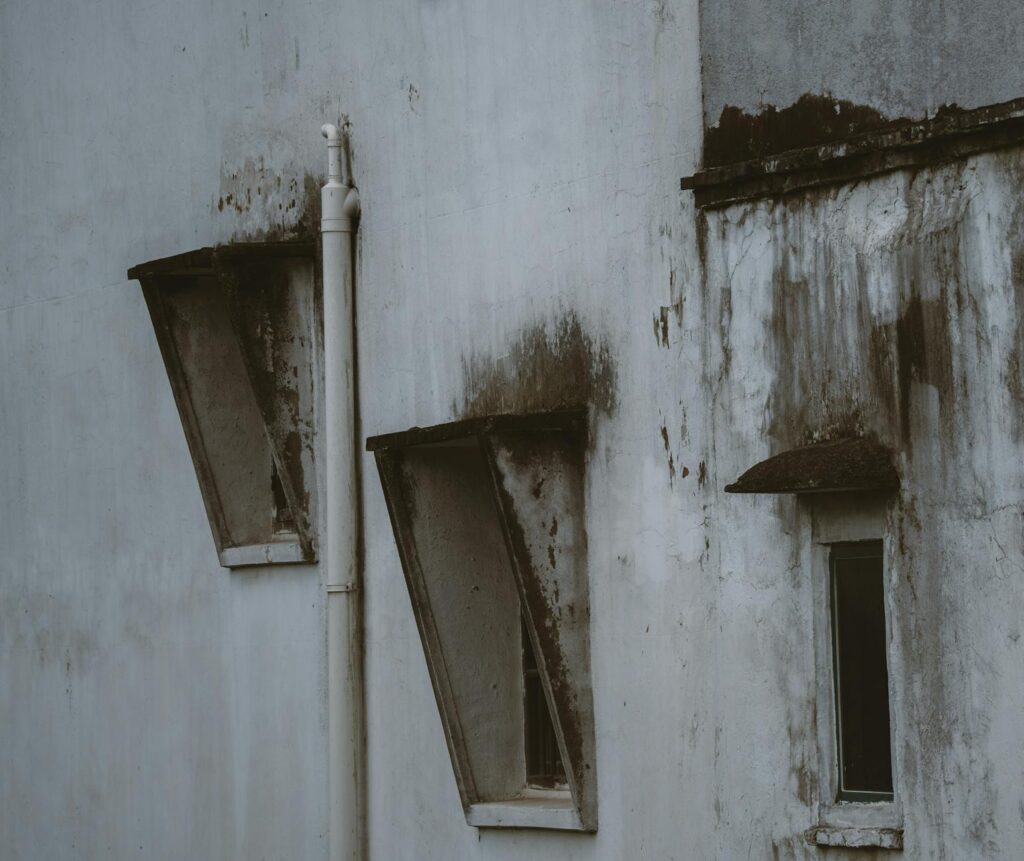
Mildew on Windows Laundry Guide Part 2
Introduction
Mildew on windows is a common issue that not only affects the appearance of your home but can also contribute to unpleasant odors and potential health risks. In this guide, we’ll delve into the causes of mildew, why it happens, and most importantly, how to effectively clean it. We’ll provide step-by-step instructions, the best cleaning methods, and prevention tips to keep your windows mildew-free.
What Causes Mildew?
Mildew is a type of fungus that thrives in damp, warm environments. It often appears as gray or white patches on surfaces. On windows, it can form due to various factors:
1. Humidity: High moisture levels in the air can lead to mildew growth.
2. Poor Ventilation: Lack of airflow can trap moisture near your windows.
3. Condensation: When warm air meets cold window surfaces, moisture can condense and create the perfect breeding ground for mildew.
4. Dirty Surfaces: Dust and grime can retain moisture, promoting mildew growth.
Understanding these causes is crucial for effective cleaning and prevention.
Why This Problem Happens
Mildew typically forms in areas where moisture is prevalent. Here are some specific reasons why you might notice mildew on your windows:
- Seasonal Changes: Increased humidity during spring and summer months can elevate the chances of mildew growth.
- Poor Insulation: Cold windows can cause condensation, especially during winter.
- Neglected Cleaning Routines: Not cleaning windows regularly allows dirt and moisture to accumulate.
- Nearby Plants: Indoor plants can increase humidity, contributing to mildew if not properly managed.
- Rubber gloves
- Mask
- Soft cloths or sponges
- Spray bottle
- Cleaning solution (vinegar, baking soda, or commercial mildew cleaner)
- Bucket of warm water
- Squeegee (optional)
- Ensure the area is well-ventilated by opening windows or turning on fans.
- Lay down towels or a drop cloth to catch any drips.
- Fill a spray bottle with your chosen cleaning solution. For a natural alternative, mix equal parts of white vinegar and water.
- Generously spray the affected areas on the window frame and glass.
- Using a soft cloth or sponge, scrub the mildew-affected areas. Be gentle to avoid scratching the glass.
- For stubborn mildew, you can create a paste with baking soda and water. Apply it directly to the spots and let it sit for 15 minutes before scrubbing.
- Use a clean cloth or sponge dipped in warm water to wipe away the cleaning solution.
- Make sure to remove all residue to prevent future mildew growth.
- Use a squeegee or a dry cloth to wipe down the windows and frames completely.
- Ensure there are no damp spots left, as moisture can lead to mildew reformation.
- Ignoring Ventilation: Always ensure your cleaning area is well-ventilated to prevent inhaling fumes.
- Using Abrasive Cleaners: Avoid harsh chemicals that can damage window surfaces or frames.
- Not Rinsing Thoroughly: Leaving cleaning solution residue can promote mildew growth later.
- Skipping Drying: Moisture left on windows can encourage mildew to return quickly.
- Regular Cleaning: Clean windows at least once a month to remove dirt and moisture.
- Control Humidity: Use dehumidifiers in areas prone to dampness.
- Improve Ventilation: Install exhaust fans in kitchens and bathrooms to reduce moisture buildup.
- Seal Windows: Ensure windows are properly sealed to minimize condensation.
- Limit Indoor Plants: If you have many plants, consider their placement and moisture needs to avoid excess humidity.
- Use Window Treatments Wisely: Avoid heavy curtains that can trap moisture. Instead, opt for lighter fabrics that allow for airflow.
Recognizing these triggers can help you stay proactive.
How to Fix Mildew (Step-by-Step)
Cleaning mildew off your windows requires a systematic approach. Follow these steps for effective results:
Step 1: Gather Your Supplies
You’ll need:
Step 2: Prepare the Area
Step 3: Apply Cleaning Solution
Step 4: Scrub the Mildew
Step 5: Rinse Thoroughly
Step 6: Dry the Area
Best Cleaning Methods
Different situations may require different cleaning methods. Here are some effective options:
1. Vinegar Solution: A natural and effective mildew remover. Spray and let it sit for 30 minutes before wiping.
2. Baking Soda Paste: Mix baking soda with water to form a paste. Apply it to mildew spots, let it sit, and scrub off.
3. Commercial Cleaners: Look for mildew-specific cleaners that contain bleach or other anti-fungal agents. Always follow label instructions.
4. Hydrogen Peroxide: A safe alternative that can be used similarly to vinegar. Spray directly on the mildew and scrub after a few minutes.
Common Mistakes to Avoid
Avoid these common pitfalls to ensure your cleaning is effective:
Prevention Tips
Keeping your windows clear of mildew requires ongoing effort. Here are some preventative measures:
Frequently Asked Questions
1. How often should I clean my windows to prevent mildew?
Aim to clean your windows at least once a month, especially in high-humidity seasons.
2. Can I prevent mildew with just window cleaners?
Regular window cleaners alone may not suffice. Incorporate mildew prevention methods like controlling humidity and ventilation.
3. Is mildew harmful to my health?
While mildew can cause allergies and respiratory issues, maintaining cleanliness and ventilation can minimize risks.
4. Can I use bleach to clean mildew?
Yes, but use bleach carefully and ensure good ventilation. Always follow the manufacturer’s instructions.
5. What should I do if mildew keeps coming back?
If mildew persists, check for underlying issues like leaks or poor insulation and address them accordingly.
6. Can I use essential oils for mildew prevention?
Certain essential oils, like tea tree oil, have antifungal properties. Mix a few drops with water and spray on affected areas for a natural preventive measure.
By following this guide, you can effectively tackle mildew on your windows, ensuring a cleaner and healthier living space. Regular maintenance and proactive measures will keep your windows sparkling and mildew-free for years to come.