
Mildew on Windows Laundry Guide Part 1
Introduction
Mildew on windows is a common issue that can be both unsightly and harmful. It thrives in damp environments, often resulting in dark spots and a musty smell. This guide will help you understand what causes mildew, why it happens, and how to effectively clean and prevent it in your laundry area.
What Causes Laundry?
Laundry can be susceptible to mildew due to several factors:
1. Moisture: High humidity levels from washing clothes or drying them indoors can create a damp environment.
2. Poor Ventilation: Inadequate airflow in laundry rooms can lead to stagnant air, promoting mildew growth.
3. Neglected Cleaning: Not regularly cleaning windows or the surrounding area allows mildew spores to settle and thrive.
4. Temperature Fluctuations: Warmer temperatures combined with moisture create an ideal breeding ground for mildew.
Understanding these causes can help you address the problem more effectively.
Why This Problem Happens
Mildew forms when mold spores settle on a damp surface and begin to grow. This can happen quickly in laundry rooms where wet clothes are often left unattended. Here’s why your windows may be particularly prone to mildew:
- Condensation: When warm, moist air meets the cooler surface of windows, condensation occurs, creating a perfect environment for mildew.
- Laundry Residue: Detergents and fabric softeners can leave residues that attract moisture, further contributing to mildew growth.
- Environmental Factors: If your laundry area is near a bathroom or kitchen, additional moisture can be introduced from those areas.
- White vinegar or hydrogen peroxide
- Baking soda
- Dish soap
- Spray bottle
- Soft cloth or sponge
- Scrub brush
- Bucket
- Water
- Pros: Non-toxic, easy to find, and effective against mildew.
- Cons: May require multiple applications for severe cases.
- Pros: Powerful disinfectant that kills mildew spores.
- Cons: Can bleach some surfaces, so test on a small area first.
- Pros: Gentle abrasive that removes mildew without scratching surfaces.
- Cons: Requires some scrubbing, which may not be suitable for delicate surfaces.
- Pros: Formulated specifically for mildew removal, often fast-acting.
- Cons: May contain harsh chemicals; always follow safety instructions.
How to Fix Laundry (Step-by-Step)
Cleaning mildew off windows is a straightforward process. Follow these steps for effective results:
Step 1: Gather Your Supplies
You will need:
Step 2: Prepare the Area
1. Remove any items: Clear the area around the windows to give yourself space to work.
2. Ventilate: Open windows or use a fan to ensure good airflow, which helps in drying and prevents inhaling fumes.
Step 3: Create a Cleaning Solution
1. Vinegar Method: Fill a spray bottle with equal parts white vinegar and water. This natural solution effectively kills mildew.
2. Baking Soda Paste: For tougher spots, mix 1/2 cup of baking soda with a small amount of water to form a paste.
Step 4: Apply the Cleaner
1. Spray the vinegar solution on the affected areas of the window. Let it sit for about 10 minutes to penetrate the mildew.
2. For stubborn mildew, apply the baking soda paste directly onto the spots and let it sit for another 10 minutes.
Step 5: Scrub and Rinse
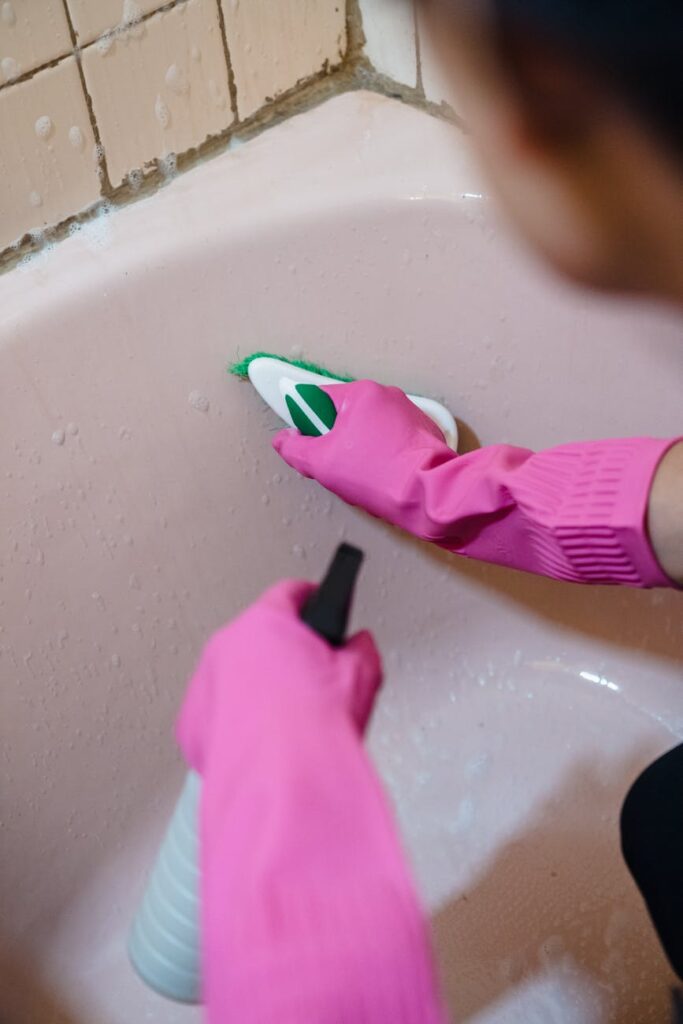
1. Scrub the area using a soft cloth or sponge to remove the mildew. For stubborn spots, use a scrub brush gently.
2. Rinse with water: Wipe the area with a clean, damp cloth to remove any residue.
Step 6: Dry Thoroughly
Use a dry cloth to wipe down the window and ensure it is completely dry. This step is crucial to prevent mildew from returning.
Best Cleaning Methods
The following methods are effective for cleaning mildew from windows:
Vinegar Solution
Hydrogen Peroxide
Baking Soda
Commercial Mildew Cleaners
Common Mistakes to Avoid
1. Using Too Much Water: Excessive moisture can worsen the problem. Use just enough to dampen the area.
2. Ignoring Ventilation: Always ensure your laundry area is well-ventilated to prevent future mildew growth.
3. Neglecting Regular Cleaning: Set a schedule to clean windows and surrounding areas to keep mildew at bay.
4. Using Harsh Chemicals: Some strong cleaners can damage windows or surrounding surfaces. Always test on a small area first.
Prevention Tips
1. Improve Ventilation: Install exhaust fans or open windows when using the laundry room to reduce humidity.
2. Use a Dehumidifier: This can help control moisture levels, especially in damp climates.
3. Regular Cleaning: Schedule regular cleanings of your windows and laundry area to remove any potential mildew before it settles.
4. Dry Clothes Promptly: Avoid leaving wet clothes in the washer for extended periods. Move them to a dryer or hang them to dry immediately.
5. Seal Windows: Ensure that your windows are properly sealed to prevent water intrusion from outside.
Frequently Asked Questions
1. How often should I clean my windows to prevent mildew?
Aim to clean your windows every 1-3 months, especially in high-humidity environments.
2. Can I use bleach to clean mildew off my windows?
While bleach can kill mildew, it may damage window seals or surrounding surfaces. It’s best to use vinegar or hydrogen peroxide for safer options.
3. What if the mildew keeps returning?
Check for underlying issues like leaks or poor ventilation. Address these problems to prevent recurring mildew.
4. Is it safe to clean mildew with kids or pets in the house?
Yes, using natural solutions like vinegar and baking soda is generally safe. Always ensure good ventilation.
5. Can mildew on windows affect my health?
While not directly harmful, excessive mildew can contribute to respiratory issues. It’s best to keep areas clean and dry.
6. Should I replace my windows if they have mildew?
Not necessarily. Many cases can be cleaned effectively. However, if there is significant damage or rot, consider consulting a professional.
By following this guide, you can effectively tackle mildew on your windows, ensuring a cleaner and healthier laundry environment. Stay tuned for Part 2, where we will delve deeper into advanced techniques and materials for tackling this persistent issue.