
Mildew on Windows Kitchen Guide Part 1
Introduction
Mildew on kitchen windows can be an unsightly and frustrating problem for homeowners. Not only does it create an unwelcoming environment, but it can also lead to further issues like unpleasant odors and potential damage to your window frames. This guide will help you understand the causes of mildew, how to effectively remove it, and how to prevent it from returning.
What Causes Kitchen Mildew?
Mildew thrives in damp, humid environments and is commonly found in kitchens due to several factors:
1. High Humidity: Cooking produces steam, which can increase humidity levels in your kitchen.
2. Poor Ventilation: Lack of airflow can trap moisture, creating a breeding ground for mildew.
3. Condensation: Temperature differences between the inside and outside of windows can lead to condensation, which promotes mildew growth.
4. Food Particles: Spills or crumbs can attract moisture and contribute to mildew formation if not cleaned promptly.
Why This Problem Happens
Understanding why mildew forms is crucial for effective cleaning and prevention. The kitchen is often a hub of activity, and the combination of heat, steam, and moisture makes it susceptible to mildew growth. If your kitchen lacks proper ventilation, the moisture produced during cooking can linger, creating a perfect environment for mildew. Additionally, if you live in a humid climate, the chances of mildew forming increase significantly.
How to Fix Kitchen Mildew (Step-by-Step)
Step 1: Gather Your Supplies
Before you start cleaning, make sure you have the following items:
- White vinegar or hydrogen peroxide
- Baking soda
- A spray bottle
- A scrub brush or sponge
- Microfiber cloths
- Rubber gloves
- A bucket
- A squeegee (optional)
Step 2: Prepare the Area
Clear any items from the window sill and surrounding area. Open windows for ventilation and wear gloves to protect your hands.
Step 3: Apply Cleaning Solution
1. Vinegar Method: Fill a spray bottle with equal parts white vinegar and water. Spray the affected areas generously.
2. Hydrogen Peroxide Method: Alternatively, you can use hydrogen peroxide (3% solution) in a spray bottle. Spray it directly onto the mildew.
Step 4: Let It Sit
Allow the solution to sit for about 10-15 minutes. This will help break down the mildew.
Step 5: Scrub the Area
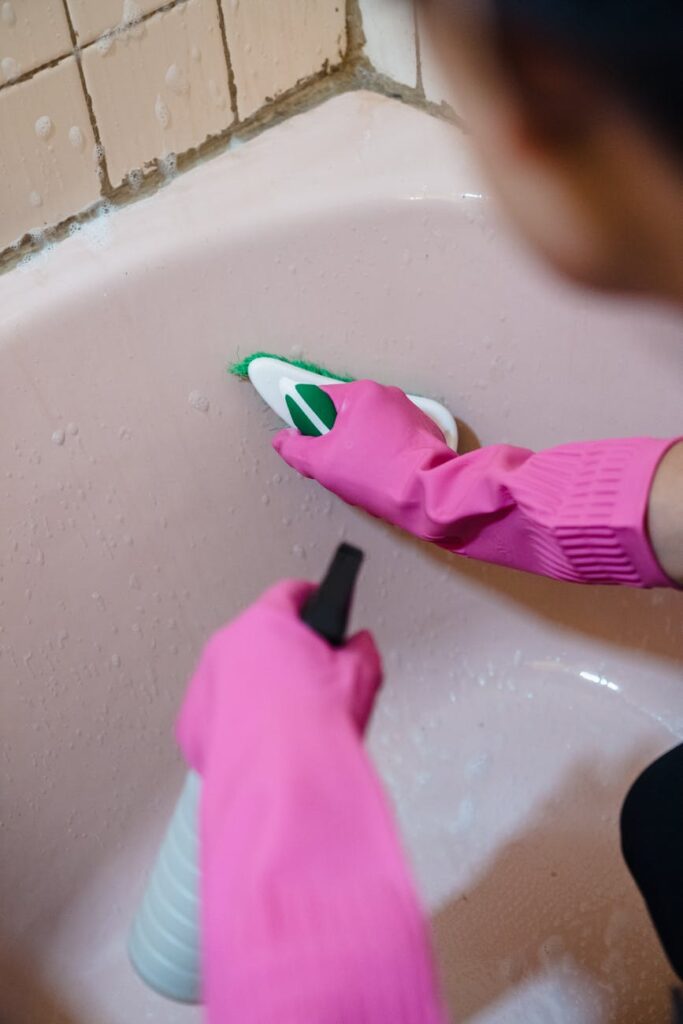
Using a scrub brush or sponge, scrub the affected area vigorously. Pay attention to corners and crevices where mildew tends to accumulate.
Step 6: Rinse and Dry
Wipe the area with a clean, damp microfiber cloth to remove any residue. Use a squeegee or another dry cloth to ensure the area is completely dry.
Step 7: Dispose of Materials
Dispose of any used sponges or cloths to avoid spreading mildew spores.
Best Cleaning Methods
1. Vinegar Solution: An effective natural cleaner that kills most types of mildew.
2. Baking Soda Paste: Mix baking soda with a small amount of water to create a paste. Apply it to stubborn mildew spots and scrub.
3. Hydrogen Peroxide: A strong disinfectant that can effectively kill mildew and mold.
Common Mistakes to Avoid
1. Skipping Ventilation: Always ensure the area is well-ventilated while cleaning to prevent inhaling spores.
2. Using the Wrong Cleaner: Avoid bleach, as it can discolor surfaces and may not effectively kill mildew.
3. Not Scrubbing Enough: Simply spraying the solution without scrubbing may not remove the mildew completely.
4. Neglecting to Dry: Failing to dry the area thoroughly can lead to immediate re-growth.
Prevention Tips
1. Improve Ventilation: Install an exhaust fan or open windows while cooking to reduce humidity.
2. Regular Cleaning: Wipe down windows and sills weekly to remove any moisture or food particles.
3. Use Dehumidifiers: If you live in a humid area, consider using a dehumidifier to control moisture levels.
4. Seal Windows: Check for leaks or gaps in window seals that could allow moisture in.
Frequently Asked Questions
1. How often should I clean my kitchen windows to prevent mildew?
Aim to clean your kitchen windows at least once a month, focusing on areas prone to moisture.
2. Can I use bleach to clean mildew?
While bleach may kill mildew, it can also discolor surfaces and does not prevent future growth. It’s best to use vinegar or hydrogen peroxide.
3. What if the mildew keeps coming back?
If mildew keeps returning, you may need to address the underlying humidity issues in your kitchen.
4. Is mildew harmful to my health?
While mildew is generally less harmful than mold, prolonged exposure can cause allergic reactions in some individuals.
5. Can I use essential oils for cleaning?
Essential oils like tea tree oil can be added to your cleaning solution for an added antimicrobial effect.
6. What should I do if mildew has damaged my window frames?
If mildew has caused significant damage, consider consulting a professional for repairs or replacement.
—
By following this guide, you can effectively tackle mildew on your kitchen windows and enjoy a cleaner, healthier space. Stay tuned for Part 2, where we will explore more advanced cleaning techniques and solutions.