
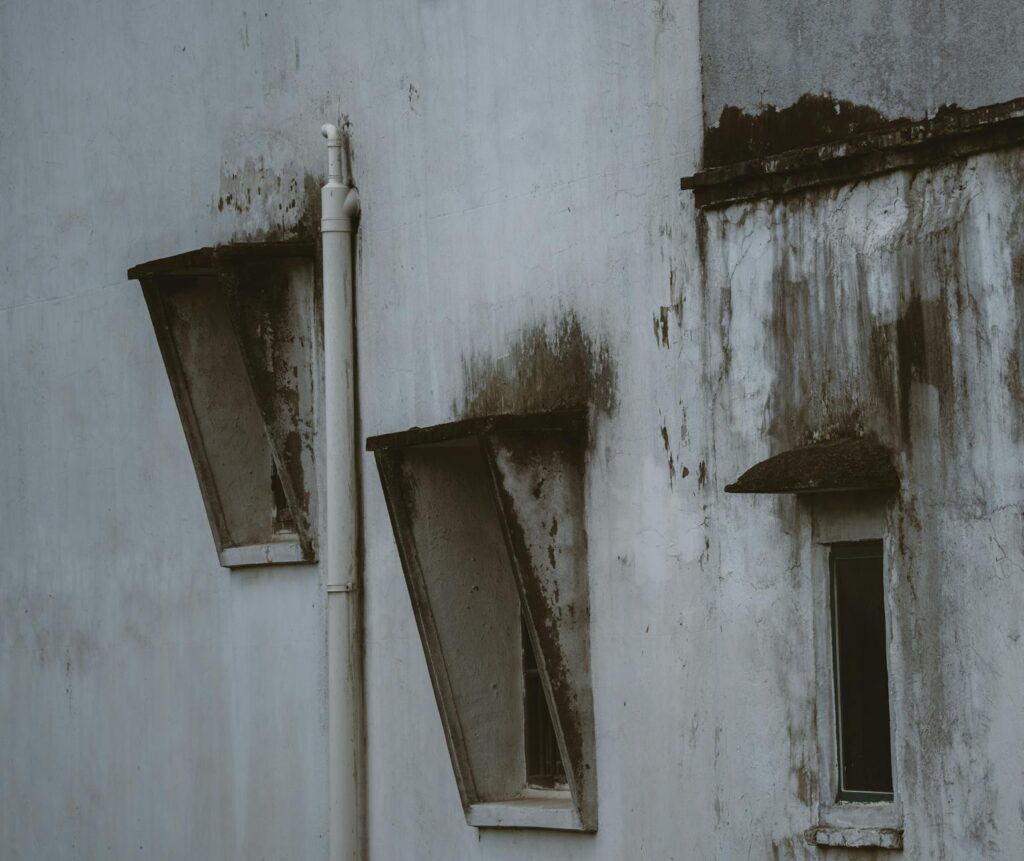
Mildew on Windows Cleaning Guide Part 2
Introduction
Mildew on windows can be an unsightly nuisance, detracting from your home’s appearance and potentially affecting air quality. This guide offers practical, actionable steps to effectively clean mildew from your windows and prevent its recurrence.
What Causes Mildew on Windows?
Mildew thrives in damp environments. Window frames, sills, and the area between the glass and frame can become breeding grounds for mildew due to several factors:
1. Humidity: High humidity levels, especially in bathrooms and kitchens, can lead to moisture accumulation.
2. Poor Ventilation: Lack of airflow allows moisture to linger, creating an ideal environment for mildew.
3. Condensation: Temperature differences between indoor and outdoor air can cause condensation on windows, promoting mildew growth.
4. Dirt and Dust: Accumulated dirt can trap moisture and nutrients that mildew needs to flourish.
Understanding these causes is the first step toward effective cleaning and prevention.
Why This Problem Happens
Mildew on windows often goes unnoticed until it becomes a significant issue. Factors contributing to its growth include:
- Neglected Maintenance: Infrequent cleaning allows dirt and moisture to accumulate.
- Inadequate Insulation: Poorly insulated windows can lead to increased condensation.
- Environmental Factors: Living in humid climates makes homes more susceptible to mildew growth.
- Seasonal Changes: During warmer months, increasing humidity can exacerbate the problem.
- Rubber gloves
- Mask
- Bucket
- Scrub brush or sponge
- White vinegar or bleach
- Water
- Spray bottle
- Old towels or rags
- Ensure good ventilation by opening windows and doors.
- Lay down old towels or cloths to catch drips.
- For vinegar solution: Mix equal parts of white vinegar and water in a spray bottle.
- For bleach solution: Mix one cup of bleach with one gallon of water. Always wear gloves and a mask when using bleach.
- Spray the chosen solution generously on the affected areas of the window.
- Allow it to sit for 10-15 minutes to break down the mildew.
- Use a scrub brush or sponge to scrub the affected areas. Be thorough, but gentle to avoid scratching the glass or frame.
- Rinse the area with clean water to remove any residue.
- Use old towels or rags to dry the window and frame completely.
- After cleaning, inspect the area for any remaining mildew. Repeat the process if necessary.
- Baking Soda: Create a paste with water and apply it to the mildew. Let it sit for 15 minutes before scrubbing.
- Hydrogen Peroxide: Use a 3% solution in a spray bottle. Spray and let sit for 10 minutes before wiping clean.
- Commercial Cleaners: There are many mildew-specific cleaners available. Always follow the manufacturer’s instructions.
Recognizing these triggers can help you implement effective cleaning and maintenance strategies.
How to Fix Mildew on Windows (Step-by-Step)
Follow these steps to clean mildew from your windows effectively:
Step 1: Gather Your Supplies
Step 2: Prepare the Area
Step 3: Create a Cleaning Solution
Step 4: Apply the Cleaning Solution
Step 5: Scrub the Area
Step 6: Rinse and Dry
Step 7: Inspect
Best Cleaning Methods
While vinegar and bleach are common choices, other effective methods include:
Common Mistakes to Avoid
1. Ignoring Ventilation: Not ensuring proper airflow can lead to repeated mildew growth.
2. Using Abrasive Tools: Scrubbing with harsh tools can scratch glass and damage frames. Stick to soft brushes or sponges.
3. Not Rinsing Thoroughly: Leaving cleaning solutions on the surface can lead to residue build-up.
4. Cleaning Only When Visible: Regular maintenance can prevent larger infestations. Clean windows every few months.
5. Neglecting Window Seals: Check the seals around windows often. Damaged seals can lead to moisture accumulation.
Prevention Tips
1. Maintain Low Humidity: Use dehumidifiers in damp areas of your home, especially bathrooms and kitchens.
2. Improve Ventilation: Open windows when weather permits, and consider installing exhaust fans where needed.
3. Regular Cleaning: Incorporate window cleaning into your regular household cleaning routine.
4. Insulate Properly: Ensure windows are well-insulated to minimize condensation.
5. Use Mildew-Resistant Products: Consider using paints or sealants that prevent mildew growth on window frames.
Frequently Asked Questions
1. Can I use vinegar on all types of windows?
Yes, vinegar is safe for most window types. However, avoid using it on tinted windows as it can damage the film.
2. How often should I clean mildew from my windows?
Aim to clean your windows at least every three months, or more frequently in humid conditions.
3. What should I do if mildew keeps returning?
If mildew keeps returning, check for leaks or inadequate insulation. Improving ventilation or using dehumidifiers can also help.
4. Is it safe to use bleach for cleaning?
Yes, bleach is effective in killing mildew, but it should be used with caution. Always wear gloves and a mask, and ensure proper ventilation.
5. Can I prevent mildew without cleaning?
While cleaning is essential, prevention measures like reducing humidity and improving ventilation are key to stopping mildew from developing.
6. What if the mildew is inside the window frame?
If mildew is inside the frame, you may need to disassemble the window for thorough cleaning. Consider consulting a professional if unsure.
—
By following these detailed cleaning steps and prevention tips, you can maintain your windows and keep mildew at bay, ensuring a cleaner, healthier home.