
Mildew on Windows Bathroom Guide Part 1
Introduction
Mildew on bathroom windows is a common problem many homeowners face. This unsightly mold can not only ruin the appearance of your bathroom but also indicate underlying moisture issues. In this guide, we’ll explore the causes of mildew, why it builds up, and effective ways to clean and prevent it.
What Causes Mildew in the Bathroom?
Mildew thrives in warm, damp environments, making bathrooms the perfect breeding ground. The main contributors to mildew growth include:
1. High Humidity: Bathrooms retain moisture from showers and baths.
2. Poor Ventilation: Inadequate airflow increases humidity and moisture levels.
3. Water Leaks: Any leaks from windows or plumbing can create damp spots.
4. Dirty Surfaces: Soap scum and organic debris provide nutrients for mildew.
Understanding these factors is essential in tackling the issue effectively.
Why This Problem Happens
Mildew develops when conditions are right for fungal growth. Here’s why you might be seeing it on your bathroom windows:
- Condensation: When warm air from showers hits cold window surfaces, condensation forms. This moisture can lead to mildew.
- Lack of Sunlight: Areas that don’t receive much sunlight are more prone to mildew growth.
- Infrequent Cleaning: Regular cleaning helps prevent mildew but can be overlooked in busy households.
- Old Windows: Aging or poorly sealed windows may allow moisture to enter, exacerbating the issue.
- Rubber gloves
- Mask (to avoid inhaling spores)
- Scrub brush or sponge
- Bucket
- White vinegar or a commercial mildew remover
- Baking soda (optional)
- Spray bottle
- Cloths or paper towels
- Bleach Solution: Mix one part bleach with three parts water. Use it in well-ventilated areas and wear gloves. Be cautious with colored surfaces as bleach can cause fading.
- Hydrogen Peroxide: This is also effective against mildew. Use a 3% solution, spray it on, let it sit, and then wipe clean.
- Commercial Cleaners: There are many mildew removers available in stores. Look for products specifically designed for bathrooms.
Recognizing these causes helps in implementing solutions effectively.
How to Fix Bathroom Mildew (Step-by-Step)
Removing mildew from your bathroom windows is straightforward. Follow these steps for effective cleaning:
Step 1: Gather Your Supplies
You will need:
Step 2: Prepare the Area
Clear the area around the window. Move any furniture or items that might get wet or damaged during cleaning.
Step 3: Mix Your Cleaning Solution
For a natural solution, fill a spray bottle with equal parts white vinegar and water. If using a commercial cleaner, follow the instructions on the label.
Step 4: Apply the Solution
Spray the solution generously on the affected areas. If using baking soda, sprinkle it over the mildew after spraying the vinegar.
Step 5: Let It Sit
Allow the solution to sit for about 10-15 minutes. This will kill the mildew spores and loosen any stubborn spots.
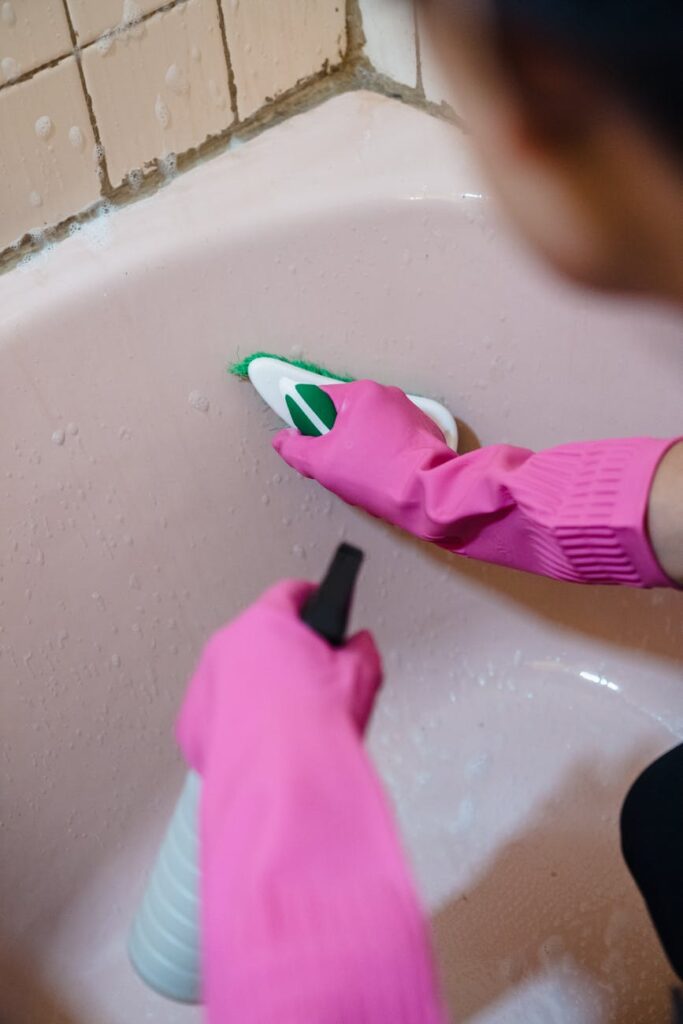
Step 6: Scrub Away the Mildew
Use your scrub brush or sponge to scrub the windows vigorously. Focus on corners and edges where mildew tends to accumulate.
Step 7: Rinse and Dry
Rinse the area with clean water and dry it immediately with a cloth or paper towel. Ensure no moisture is left behind.
Step 8: Dispose of Waste
Throw away any debris or cleaning materials used, especially if they contain mildew spores.
Best Cleaning Methods
While the vinegar solution is effective, other methods can also be helpful:
Choose a method that suits your cleaning preferences and the severity of the mildew.
Common Mistakes to Avoid
To ensure effective cleaning and prevention, avoid these common mistakes:
1. Ignoring Ventilation: Failing to ventilate your bathroom can lead to recurring mildew problems. Always use exhaust fans or open windows while bathing.
2. Using Dirty Cleaning Tools: Using a dirty sponge or cloth can spread mildew rather than remove it. Always use clean tools for cleaning.
3. Not Allowing Solutions to Sit: Rushing the cleaning process by not letting the solution sit can lead to incomplete mildew removal.
4. Overusing Bleach: While effective, using too much bleach can lead to harmful fumes and damage surfaces. Use it sparingly.
5. Neglecting Regular Maintenance: Skipping regular cleaning can lead to bigger problems. Make it a habit to clean your windows frequently.
Prevention Tips
Preventing mildew is easier than removing it. Here are some actionable tips:
1. Improve Ventilation: Install an exhaust fan and keep windows open to reduce humidity levels.
2. Use a Dehumidifier: In particularly humid climates, a dehumidifier can help control moisture levels.
3. Regular Cleaning: Clean your windows and surrounding areas at least once a month to prevent mildew buildup.
4. Seal Windows Properly: Check the seals around your windows to ensure they are airtight. Replace any damaged seals.
5. Use Mold-Resistant Products: Consider using mold-resistant paint or cleaning products designed to prevent fungal growth.
6. Wipe Down Surfaces: After showers, take a moment to wipe down surfaces, especially windows, to remove moisture.
Frequently Asked Questions
1. How often should I clean my bathroom windows?
Aim to clean your bathroom windows at least once a month to prevent mildew buildup.
2. Can I use vinegar on tinted windows?
Yes, vinegar is generally safe for tinted windows, but test a small area first to ensure there’s no damage.
3. What if my cleaning solution doesn’t work?
If your initial cleaning doesn’t remove the mildew, consider using a stronger solution like bleach or a commercial mildew remover.
4. Is mildew harmful?
While mildew isn’t typically harmful, it can trigger allergies or respiratory issues in sensitive individuals. It’s best to remove it promptly.
5. Can I prevent mildew with essential oils?
Yes, certain essential oils like tea tree oil have antifungal properties. Add a few drops to your cleaning solution for added protection.
6. Should I call a professional for severe mildew?
If mildew is extensive or recurring despite your efforts, it may be best to consult a professional cleaning service or mold remediation expert.
By understanding the causes and implementing effective cleaning and prevention methods, you can keep your bathroom windows free from mildew. Stay vigilant, and your bathroom can remain a clean and inviting space.