
Mildew on Walls Odours Guide Part 2
Introduction
Mildew on walls is more than just an unsightly problem; it can lead to unpleasant odours that can permeate your home. These odours can be persistent and difficult to eliminate without the right approach. In this guide, we will delve into the causes of mildew-related odours, how to effectively address them, and tips for prevention.
What Causes Odours?
Mildew releases a variety of compounds as it grows, primarily volatile organic compounds (VOCs). These compounds can produce musty and earthy smells, which are often associated with damp environments. When mildew forms on walls, it thrives in moisture-laden areas, creating an ideal breeding ground for bacteria and fungi that also contribute to unpleasant odours.
Why This Problem Happens
1. Humidity: High humidity levels provide the perfect environment for mildew growth. Areas like bathrooms and basements are particularly susceptible.
2. Poor Ventilation: Lack of airflow can trap moisture, allowing mildew to flourish.
3. Water Leaks: Leaky pipes or roofs can lead to water accumulation, fostering mildew growth.
4. Condensation: Cold surfaces can cause moisture to condense on walls, promoting mildew.
5. Organic Material: Materials like wood, wallpaper, or drywall can provide nutrients for mildew.
Understanding these causes is crucial for effective remediation.
How to Fix Odours (Step-by-Step)
Step 1: Identify the Source
- Inspect Walls: Look for visible signs of mildew, such as discoloration or a fuzzy texture.
- Check for Moisture: Use a moisture meter to determine if there are damp areas.
- Ventilation: Open windows or use fans to ensure airflow.
- Protect Yourself: Wear gloves and a mask to avoid inhaling spores or strong cleaning agents.
- Baking Soda: Sprinkle baking soda on the affected area after cleaning. Leave it for a few hours before vacuuming it up to neutralize odours.
- Activated Charcoal: Place bowls of activated charcoal around the area to absorb lingering smells.
- Keep an eye on the area for any signs of mildew returning. Regular checks will help you catch problems early.
Step 2: Prepare the Area
Step 3: Clean the Affected Areas
1. Create a Cleaning Solution: Combine one cup of white vinegar with one cup of water in a spray bottle.
2. Apply the Solution: Spray the affected areas thoroughly. Allow it to sit for 10-15 minutes.
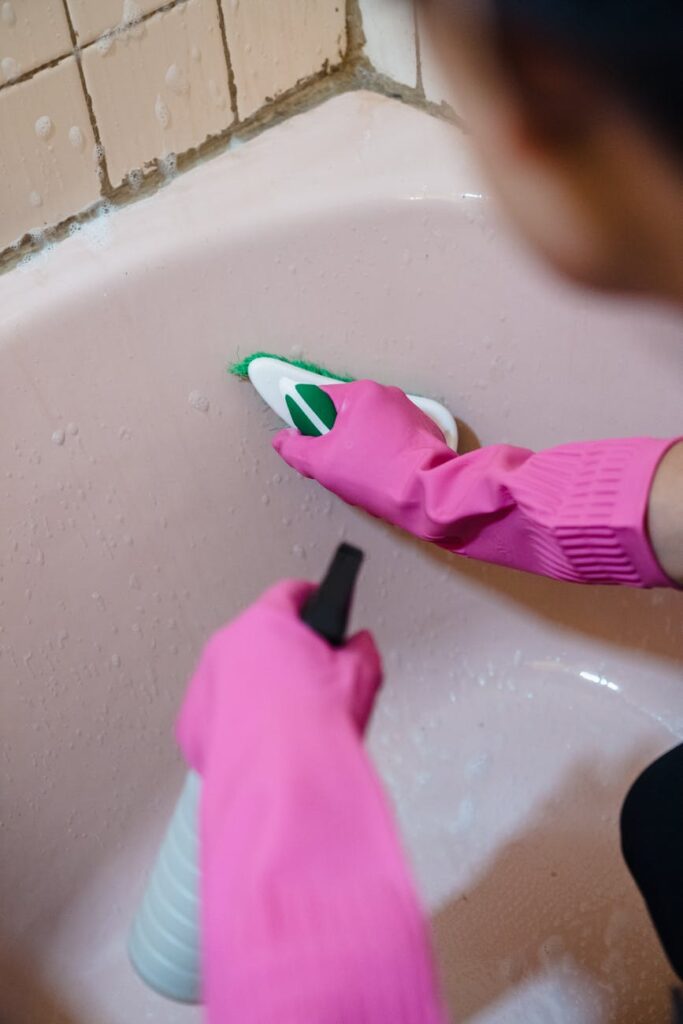
3. Scrub: Use a soft-bristle brush or sponge to scrub the mildew off the wall.
4. Rinse: Wipe the area with a clean, damp cloth to remove any residue.
5. Dry: Use a towel or rag to dry the area completely.
Step 4: Deodorize
Step 5: Monitor
Best Cleaning Methods
1. Vinegar Solution: As mentioned, a vinegar solution is effective due to its antifungal properties.
2. Hydrogen Peroxide: A 3% hydrogen peroxide solution can also kill mildew. Spray it directly onto the affected areas and let it sit for 10 minutes before scrubbing and rinsing.
3. Baking Soda Paste: Mix baking soda with water to form a paste. Apply it to the mildew, scrub, and rinse off to eliminate both mildew and odours.
4. Commercial Cleaners: If home remedies fail, consider a commercial mildew cleaner. Follow the manufacturer’s instructions for optimal results.
Common Mistakes to Avoid
1. Ignoring the Source: Cleaning mildew without addressing the moisture source will only lead to a recurrence.
2. Not Ventilating: Failing to ventilate the area while cleaning can trap moisture and worsen odours.
3. Using the Wrong Products: Avoid bleach, as it can sometimes worsen the odour and doesn’t kill mildew spores effectively.
4. Inadequate Drying: Not drying the area thoroughly after cleaning can encourage mildew to return.
5. Overlooking Hidden Areas: Check behind furniture and in corners, as mildew can hide in less visible spots.
Prevention Tips
1. Control Humidity: Use dehumidifiers to keep humidity levels below 50%.
2. Improve Ventilation: Install exhaust fans in bathrooms and kitchens. Open windows regularly to promote airflow.
3. Fix Leaks Promptly: Address any plumbing or roofing leaks immediately to prevent water accumulation.
4. Use Mildew-Resistant Paint: When repainting, opt for mildew-resistant paint in areas prone to moisture.
5. Regular Cleaning: Schedule regular cleaning of areas susceptible to mildew to deter growth.
6. Monitor Indoor Plants: Overwatering indoor plants can increase humidity; ensure proper drainage.
Frequently Asked Questions
1. How can I tell if the smell is from mildew?
If you notice a musty, earthy smell, it likely indicates mildew. Inspect areas with high humidity or water exposure for visible signs.
2. Can I use bleach to remove mildew odours?
While bleach can kill mildew, it may not eliminate the odour fully and can sometimes exacerbate the smell. Consider using vinegar or hydrogen peroxide instead.
3. How long does it take to get rid of mildew odours?
With proper cleaning, you can often eliminate odours within a few hours to a couple of days. However, ongoing prevention is crucial for long-term solutions.
4. What should I do if the odour persists after cleaning?
If the odour persists, investigate further for hidden moisture sources or consider consulting a professional.
5. Is it safe to live in a house with mildew?
While occasional mildew may not pose significant risks, prolonged exposure can lead to health issues. Address the problem promptly.
6. Can air purifiers help with mildew odours?
Yes, air purifiers with HEPA filters can help remove spores and improve air quality, reducing mildew-related odours.
Conclusion
Mildew on walls can create unpleasant odours that affect your home environment. By understanding the causes and implementing the steps outlined in this guide, you can effectively eliminate these smells and prevent them from returning. Regular maintenance and attention to moisture control will help keep your home fresh and odour-free.