
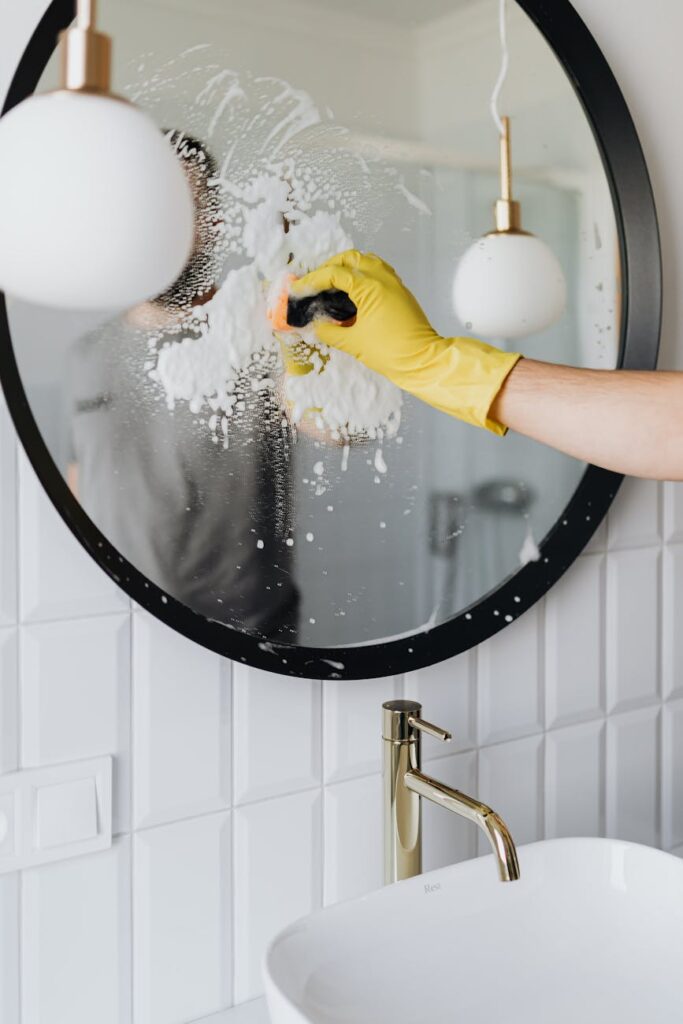
Mildew on Walls: Mould & Damp Guide Part 1
Introduction
Mildew on walls can be a significant nuisance for homeowners. It not only affects the aesthetics of your living space but can also lead to more extensive damage if left untreated. This guide will help you understand the causes of mould and damp, provide actionable steps to fix the problem, and offer tips for prevention.
What Causes Mould & Damp?
Mould and dampness typically arise from excess moisture in the home. Common causes include:
1. Poor Ventilation: Areas that do not receive adequate airflow are prone to dampness.
2. Condensation: Warm air meets cold surfaces, leading to moisture build-up.
3. Leaks: Roof, plumbing, or window leaks can introduce water into your walls.
4. Humidity: High humidity levels can contribute to mould growth.
5. Inadequate Insulation: Poorly insulated walls can create cold spots, leading to condensation.
Why This Problem Happens
Understanding why mould and damp occur is crucial for effective cleaning and prevention.
- Ventilation: Homes with limited air circulation trap moisture, especially in bathrooms and kitchens.
- Temperature Fluctuations: Rapid changes in temperature can cause condensation on colder surfaces like walls.
- Water Damage: Leaks and spills that are not cleaned up promptly can lead to damp conditions.
- Environmental Factors: Living in a humid climate increases the likelihood of mould growth.
- Rubber gloves
- Face mask
- Scrub brush or sponge
- Bucket
- Cleaning solution (vinegar, bleach, or a commercial mould remover)
- Spray bottle
- Cloths or rags
- Ensure proper ventilation by opening windows and doors.
- Cover furniture and flooring with plastic sheets to protect them from cleaning solutions.
- Vinegar: Spray undiluted white vinegar directly onto the mouldy area. Let it sit for at least one hour.
- Bleach: Mix one cup of bleach with a gallon of water. Apply with a sponge or brush. Do not rinse.
- Commercial Mould Remover: Follow the manufacturer’s instructions.
- Vinegar: Non-toxic and effective against most mould types. However, it may not remove severe infestations.
- Bleach: Strong and effective for tougher stains. Caution is needed due to its harshness and potential damage to surfaces.
- Commercial Products: Often formulated for specific mould types. They can be effective but may contain harmful chemicals.
How to Fix Mould & Damp (Step-by-Step)
Follow these steps to effectively remove mould from your walls:
Step 1: Assess the Damage
Inspect the affected areas for extent and type of mould. If the area is larger than 10 square feet, consider consulting a professional.
Step 2: Gather Supplies
You’ll need:
Step 3: Prepare the Area
Step 4: Apply Cleaning Solution
Step 5: Scrub the Area
Use a scrub brush or sponge to remove the mould. Rinse the brush in clean water frequently to avoid spreading spores.
Step 6: Dry the Area
Use cloths or rags to wipe down the area, and ensure it dries completely. A fan can speed up this process.
Step 7: Dispose of Contaminated Materials
Dispose of any materials that cannot be cleaned, such as porous items (e.g., drywall).
Best Cleaning Methods
Each method has its pros and cons:
Common Mistakes to Avoid
1. Not Wearing Protective Gear: Always wear gloves and a mask to protect yourself from mould spores.
2. Using Water: Avoid rinsing surfaces with water after applying bleach; it can encourage mould to return.
3. Ignoring the Source: Cleaning without addressing the root cause of dampness will lead to recurring issues.
4. Neglecting Ventilation: Failing to improve airflow in affected areas will allow mould to return.
Prevention Tips
1. Improve Ventilation: Use exhaust fans in bathrooms and kitchens, and open windows regularly.
2. Control Humidity: Use dehumidifiers in damp areas and aim to keep humidity below 60%.
3. Seal Leaks Promptly: Regularly check and repair any leaks in plumbing, roofs, and windows.
4. Insulate Properly: Ensure your walls are well-insulated to prevent cold spots.
5. Regular Cleaning: Clean susceptible areas regularly with vinegar or a mild detergent to prevent mould growth.
Frequently Asked Questions
1. Is mould dangerous to health?
While not everyone experiences health issues from mould, it can aggravate allergies and respiratory conditions.
2. Can I paint over mould?
No, painting over mould will only hide the problem. It is essential to clean the area first.
3. How long does it take for mould to grow on damp surfaces?
Mould can begin to grow within 24 to 48 hours of moisture exposure.
4. Do I need a professional to remove mould?
If the affected area is large or if you are unsure, it’s best to consult a professional.
5. Can I prevent mould without using chemicals?
Yes, using natural solutions like vinegar or baking soda is effective for prevention and cleaning.
6. How often should I check for mould?
Inspect areas prone to dampness regularly, especially after heavy rain or flooding.
By following the steps outlined in this guide, you can effectively address mould and damp issues in your home. Remember, prevention is key to maintaining a healthy living environment. Stay vigilant, and take action at the first sign of moisture to keep your home mould-free.