
Mildew on Walls Kitchen Guide Part 2
Introduction
Mildew in the kitchen is more than just an eyesore; it can lead to unpleasant odors and even damage your walls. Addressing this issue effectively requires understanding its causes, knowing how to clean it, and implementing strategies to prevent recurrence. This guide provides practical solutions for homeowners dealing with mildew on kitchen walls.
What Causes Kitchen Mildew?
Mildew thrives in warm, damp environments, making kitchens a prime location for its growth. The most common causes include:
1. High Humidity: Kitchens generate moisture from cooking, steaming, and washing dishes.
2. Poor Ventilation: Inadequate airflow can trap humidity, creating a breeding ground for mildew.
3. Leaks: Water leaks from pipes, sinks, or appliances can lead to damp walls.
4. Condensation: Temperature differences between indoor and outdoor environments can cause condensation on walls.
Why This Problem Happens
Understanding why mildew develops is key to effectively addressing it:
- Moisture Accumulation: When humidity levels rise and aren’t managed, mildew spores in the air settle on surfaces, leading to growth.
- Failure to Clean: Regular cleaning helps prevent mildew buildup, but neglect can allow it to flourish.
- Lack of Maintenance: Regular inspections for leaks and clogs can help maintain a dry environment.
- Rubber gloves
- Protective eyewear
- A mask (to avoid inhaling spores)
- A scrub brush or sponge
- Bucket
- Spray bottle
- Cleaning solution (vinegar, baking soda, or commercial mildew cleaner)
- Rags or paper towels
- Vinegar: Acts as a natural disinfectant and is effective against mildew.
- Baking Soda: Neutralizes odors and provides gentle scrubbing action.
- Hydrogen Peroxide: A stronger option that can kill mildew spores; use a 3% solution for safety.
- Commercial Cleaners: For severe cases, consider using products specifically designed for mildew removal.
How to Fix Kitchen Mildew (Step-by-Step)
Removing mildew from your kitchen walls can be done efficiently if you follow these steps:
Step 1: Gather Your Supplies
Before you start, make sure you have:
Step 2: Prepare the Area
1. Clear the Space: Remove any items from the walls and surrounding areas.
2. Ensure Ventilation: Open windows and turn on exhaust fans to improve airflow.
Step 3: Apply Cleaning Solution
1. Natural Solutions: Mix equal parts of white vinegar and water in a spray bottle, or make a paste using baking soda and water.
2. Commercial Cleaners: If preferred, follow the instructions on a commercial mildew cleaner.
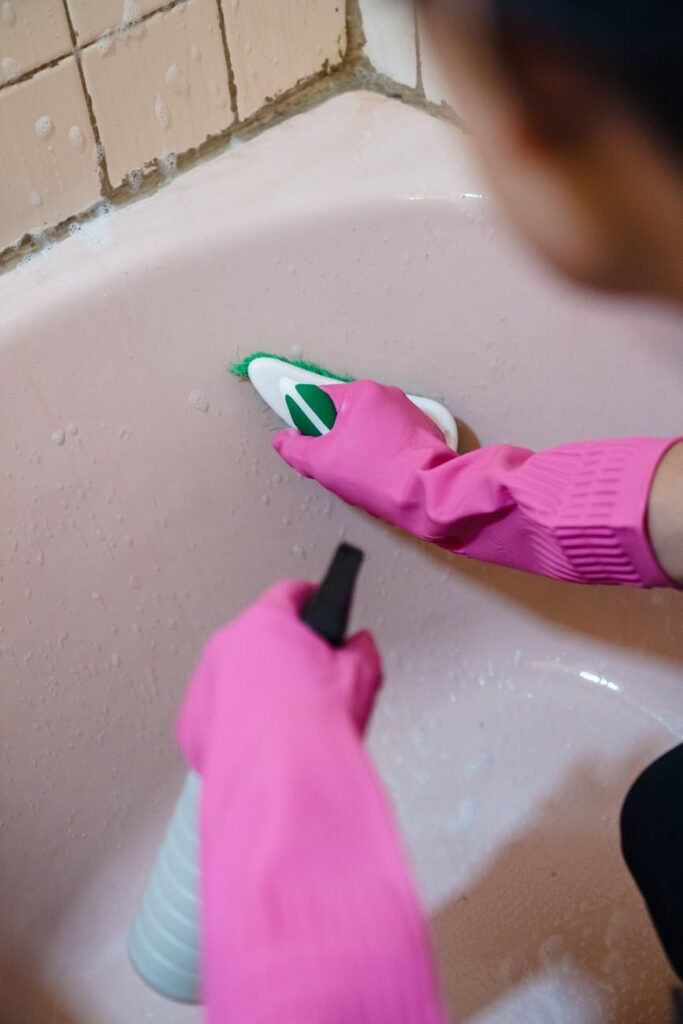
Step 4: Scrub the Affected Areas
1. Spray or Apply: Apply your solution directly onto the mildew-affected walls.
2. Scrub: Use a scrub brush or sponge to scrub the area thoroughly. For stubborn spots, let the solution sit for 10-15 minutes before scrubbing.
Step 5: Rinse and Dry
1. Rinse: Wipe the walls with a clean, damp rag to remove the cleaning solution.
2. Dry: Use a dry towel to absorb any remaining moisture. Ensure the walls are completely dry to prevent further mildew growth.
Step 6: Dispose of Waste
Dispose of any contaminated rags or sponges in a sealed plastic bag to prevent spores from spreading.
Best Cleaning Methods
Different cleaning methods can effectively combat kitchen mildew:
Common Mistakes to Avoid
Avoid these pitfalls to ensure effective cleaning and prevention:
1. Ignoring Small Spots: Small patches of mildew can quickly spread if not treated promptly.
2. Using the Wrong Cleaner: Some cleaners can damage wall surfaces or fail to eliminate mildew effectively.
3. Not Ensuring Dryness: Failing to dry the area after cleaning can lead to quick regrowth.
4. Neglecting Ventilation: Not addressing ventilation issues will allow mildew to return.
Prevention Tips
To keep mildew from returning, consider these preventive measures:
1. Improve Ventilation: Install exhaust fans and open windows while cooking.
2. Control Humidity: Use a dehumidifier or air conditioner to maintain humidity levels below 60%.
3. Regular Cleaning: Incorporate mildew prevention into your regular cleaning routine.
4. Seal Leaks: Regularly inspect and seal any leaks in plumbing or appliances.
5. Use Mold-Resistant Paint: If repainting, choose a mold-resistant formula.
Frequently Asked Questions
1. How can I tell if I have mildew or mold?
Mildew typically appears as a flat, powdery, or fuzzy growth and is usually gray or white. Mold can be more varied in color and texture and often appears more substantial.
2. Can I use bleach for cleaning mildew?
While bleach can kill mildew, it may not penetrate porous surfaces effectively. Consider using vinegar or baking soda for a safer and more thorough clean.
3. Is mildew harmful to health?
While mildew is not usually dangerous, prolonged exposure can lead to respiratory issues. It’s best to address it promptly.
4. How often should I clean my kitchen walls to prevent mildew?
Cleaning your kitchen walls every few months or whenever you notice moisture buildup is advisable to prevent mildew growth.
5. What are the signs of hidden mildew?
Signs of hidden mildew include a musty smell, discoloration on walls, or peeling paint. These may indicate moisture issues behind the walls.
6. Can I prevent mildew without cleaning?
No, while you can take preventive measures, maintaining a clean environment is essential in preventing mildew growth effectively.
By understanding the causes and taking actionable steps, you can keep your kitchen walls free from mildew and ensure a healthier home environment. Regular maintenance and monitoring are key to long-lasting results.