
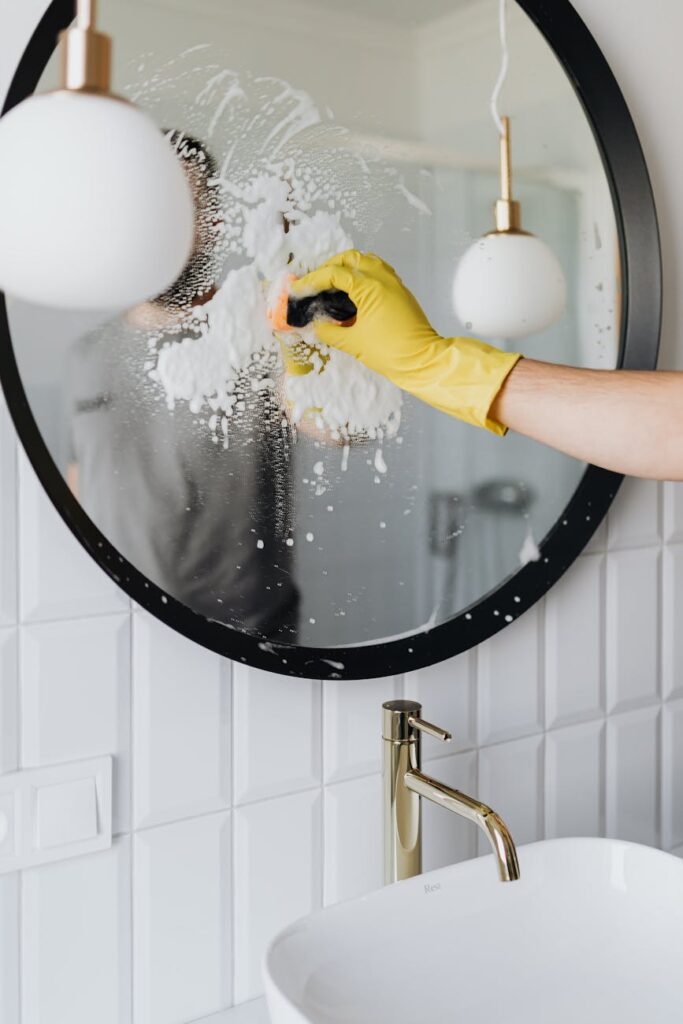
Mildew on Walls Cleaning Guide Part 1
Introduction
Mildew on walls can be an unsightly and persistent problem in many homes. Not only does it look unattractive, but it can also indicate underlying moisture issues. In this guide, we’ll explore the causes of mildew, how to effectively clean it, and how to prevent it from returning. Whether you’re dealing with a small patch or a larger infestation, this practical guide will provide you with all the information you need to tackle mildew on your walls.
What Causes Mildew?
Mildew is a type of fungus that thrives in damp, warm environments. Understanding what contributes to its growth can help you prevent it in the future. The primary causes include:
- High Humidity: Areas with excessive moisture in the air, particularly in bathrooms and kitchens, create an ideal environment for mildew.
- Poor Ventilation: Spaces that lack adequate airflow can trap moisture, encouraging mildew growth.
- Water Leaks: Leaky pipes, roofs, or windows can lead to damp walls.
- Condensation: Cold surfaces that come into contact with warm, humid air can result in condensation, promoting mildew growth.
- Climate: Homes in humid climates are more likely to experience mildew issues.
- Building Materials: Some materials, like drywall and wood, can absorb moisture and provide a food source for mildew.
- Lifestyle: Daily activities, such as cooking and showering, can increase humidity levels.
- Neglect: Failing to address leaks or inadequate ventilation can worsen the problem over time.
- Rubber gloves
- Protective eyewear
- Mask (to avoid inhaling spores)
- Bucket
- Sponge or soft brush
- Spray bottle
- Cleaning solution (see Best Cleaning Methods section)
- Ingredients: White vinegar and water (1:1 ratio).
- Use: Spray directly onto the mildew and let it sit for at least an hour before scrubbing.
- Ingredients: Baking soda and water (paste consistency).
- Use: Apply the paste to the mildew, let it sit for 10-15 minutes, then scrub and rinse.
- Ingredients: 1 cup of bleach mixed with 1 gallon of water.
- Use: Apply cautiously, as bleach can discolor paint. Ensure proper ventilation and never mix with ammonia.
- Ingredients: Store-bought mildew cleaner.
- Use: Follow the manufacturer’s instructions for application.
- Ignoring the Source of Moisture: Cleaning mildew without addressing the underlying moisture issue will lead to a quick return.
- Using the Wrong Cleaner: Some cleaners can damage wall finishes or paint; always test a small area first.
- Not Wearing Protective Gear: Mildew spores can be harmful; always wear gloves, a mask, and eyewear.
- Skipping the Drying Stage: Failing to dry the area thoroughly can lead to regrowth.
- Maintain Humidity Levels: Use a dehumidifier or air conditioner to keep humidity levels below 50%.
- Improve Ventilation: Install exhaust fans in kitchens and bathrooms to promote airflow.
- Seal Leaks Promptly: Regularly check for and repair leaks in plumbing, roofs, and windows.
- Insulate Cold Surfaces: Insulate pipes and walls that are prone to condensation.
- Clean Regularly: Regularly clean bathrooms and other high-moisture areas to prevent buildup.
Why This Problem Happens
Mildew can appear for several reasons, often stemming from a combination of factors:
How to Fix Mildew (Step-by-Step)
Cleaning mildew from your walls is a straightforward process if you follow these steps:
Step 1: Gather Your Supplies
Before you start, gather the following materials:
Step 2: Prepare the Area
1. Clear the Space: Remove furniture or items near the affected area to protect them from cleaning solutions.
2. Ventilate: Open windows and doors to improve airflow. This helps reduce moisture and prevent the spread of spores.
Step 3: Apply Cleaning Solution
1. Mix Your Cleaner: Depending on your choice of cleaning method (see Best Cleaning Methods), mix the solution in a bucket or spray bottle.
2. Test a Small Area: Before applying to the entire surface, test the solution on a small, inconspicuous area to ensure it doesn’t damage the paint or wall finish.
Step 4: Scrub the Affected Area
1. Soak the Sponge or Brush: Dip it in the cleaning solution and apply it to the mildew.
2. Scrub Gently: Use circular motions to lift the mildew from the wall. Be careful not to scrub too hard to avoid damaging the surface.
3. Rinse: Wipe the area with a clean, damp sponge to remove any residue from the cleaning solution.
Step 5: Dry the Area
1. Wipe Down: Use a dry cloth to absorb excess moisture from the wall.
2. Improve Airflow: Keep windows open or use fans to promote drying and prevent future mildew growth.
Best Cleaning Methods
Here are some effective cleaning methods for removing mildew:
1. Vinegar Solution
2. Baking Soda Paste
3. Bleach Solution
4. Commercial Mildew Remover
Common Mistakes to Avoid
When tackling mildew on walls, avoid these common pitfalls:
Prevention Tips
Preventing mildew from returning is crucial. Here are some effective tips:
Frequently Asked Questions
1. Can I paint over mildew?
No, it’s essential to clean the mildew first. Painting over it will only cover the issue, allowing it to continue growing underneath.
2. How do I know if it’s mildew or mold?
Mildew appears as a thin, powdery coating, while mold can be fuzzy or slimy. Both require similar cleaning methods.
3. Is it safe to use bleach for cleaning mildew?
Yes, but it should be used cautiously. Ensure proper ventilation and never mix it with ammonia.
4. How can I tell if I have a moisture problem?
Signs include peeling paint, water stains, or a musty odor. If you notice these, inspect for leaks or inadequate ventilation.
5. How often should I check for mildew?
Regular checks, especially in high-moisture areas like bathrooms and kitchens, are recommended. Monthly inspections can help catch issues early.
6. What should I do if mildew keeps returning?
If mildew persists despite cleaning and prevention measures, consider consulting a professional to assess any structural or ventilation issues.
By following these steps and tips, you can effectively tackle mildew on your walls and keep your living space clean and healthy. Stay tuned for Part 2, where we’ll delve deeper into advanced mildew management techniques.