
Mildew on Walls Bathroom Guide Part 2
Introduction
Mildew in your bathroom can be unsightly and a potential health hazard. This guide will help you understand its causes, provide step-by-step solutions for removal, and offer tips to prevent its return. Let’s dive into how to tackle this common problem effectively.
What Causes Bathroom Mildew?
Mildew thrives in warm, damp environments, making bathrooms a prime target. The primary causes include:
- High Humidity: Bathrooms often have high moisture levels due to showers and baths.
- Poor Ventilation: Inadequate air circulation can trap humidity.
- Leaks: Water leaking from faucets, pipes, or roofs creates perfect conditions for mildew.
- Organic Materials: Soap scum and hair can provide nutrients for mildew growth.
- Condensation: Warm air from showers cools when it hits cold surfaces, leading to water droplets that promote mildew.
- Infrequent Cleaning: Regular cleaning helps eliminate mildew spores before they settle and grow.
- Improper Materials: Some paint and wallpaper are more susceptible to mildew if not designed for high-moisture areas.
- Cleaning Solution: Choose between vinegar, baking soda, or a commercial mildew cleaner.
- Scrub Brush: A stiff-bristled brush works best.
- Protective Gear: Wear gloves and a mask to avoid inhaling spores.
- Microfiber Cloths: For drying and wiping down surfaces.
- Ventilate: Open windows and doors to improve airflow.
- Clear the Space: Remove toiletries and other items from countertops and walls.
- For Vinegar: Spray undiluted vinegar directly onto the affected area.
- For Baking Soda Paste: Mix baking soda with water to create a paste and apply it to the mildew.
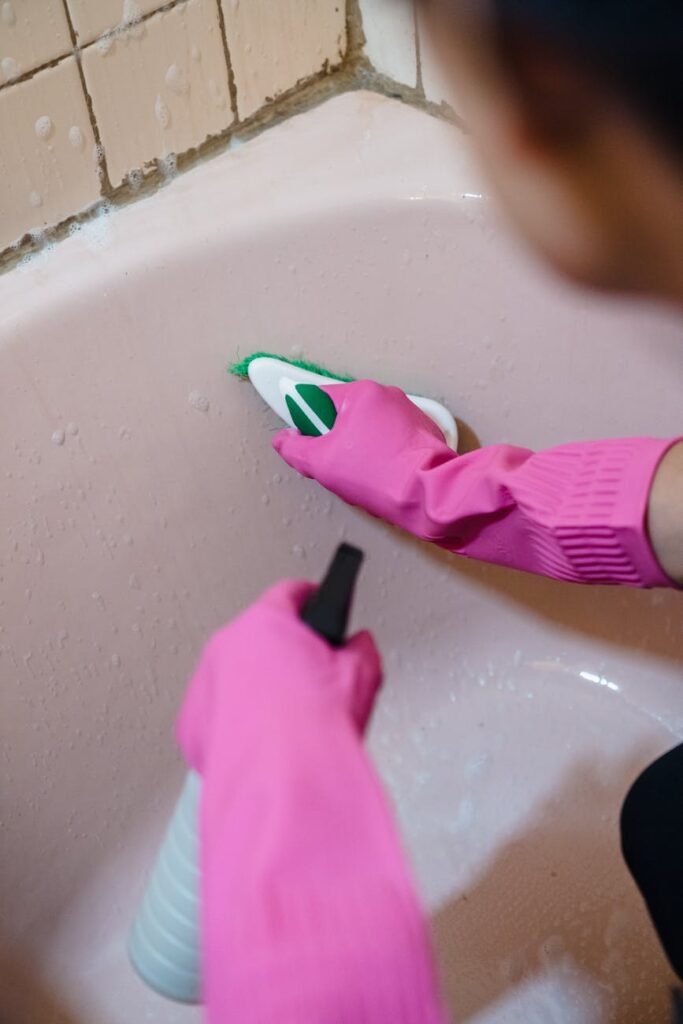
- Use your scrub brush to work the cleaner into the wall. Focus on areas with visible mildew.
- Wipe the area with a damp microfiber cloth to remove any residue.
- Ensure the area is thoroughly dried to prevent mildew from returning.
- Safely discard any used cloths or scrub brushes to avoid spreading spores.
- A natural option that can kill most mildew types. Spray and leave it for at least an hour before scrubbing.
- Use as a gentle abrasive. It can also deodorize and absorb moisture.
- Effective against mildew and mold. Use a 3% solution and spray it on the affected area, allowing it to sit for 10 minutes before scrubbing.
- If natural methods fail, consider using a store-bought mildew remover. Follow the instructions carefully for safety and effectiveness.
- Always ensure good airflow before and after cleaning to help dry the area.
- Address any leaks or water damage immediately. Cleaning will not fix the underlying problem.
- Regular cleaning of your bathroom can prevent mildew growth, so don’t wait until it becomes a problem.
- Avoid using bleach, as it can worsen mildew issues by providing nutrients for regrowth.
- Install an exhaust fan to help reduce humidity. Run it during and after showers.
- Opt for mildew-resistant paint and wallpaper specifically designed for bathrooms.
- Wipe down walls and surfaces after use to remove moisture.
- Clean your bathroom weekly to keep mildew at bay. Focus on high-moisture areas.
- Ensure towels and bath mats are dried completely after use. Consider using washable mats that can be regularly laundered.
- Use a hygrometer to keep track of humidity. Aim for levels below 50% to inhibit mildew growth.
Why This Problem Happens
Understanding why mildew develops is crucial for effective prevention and removal. Here are some key reasons:
How to Fix Bathroom Mildew (Step-by-Step)
Removing mildew from bathroom walls requires a systematic approach. Follow these steps:
Step 1: Gather Supplies
Step 2: Prepare the Area
Step 3: Apply Cleaning Solution
Step 4: Scrub the Area
Step 5: Rinse and Dry
Step 6: Dispose of Cleaning Waste
Best Cleaning Methods
Different cleaning methods can be effective against mildew. Here are some of the best:
Vinegar
Baking Soda
Hydrogen Peroxide
Commercial Cleaners
Common Mistakes to Avoid
Avoid these pitfalls to ensure effective mildew removal:
Not Ventilating
Ignoring Leaks
Skipping Regular Maintenance
Using the Wrong Cleaner
Prevention Tips
Preventing mildew is easier than removing it. Here are practical tips:
Improve Ventilation
Use Mildew-Resistant Products
Keep Surfaces Dry
Regular Cleaning Routine
Dry Towels and Mats
Monitor Humidity Levels
Frequently Asked Questions
1. How can I tell if I have mildew or mold?
Mildew is usually gray or white and appears flat, while mold can be black, green, or fuzzy. Both indicate a moisture issue that needs addressing.
2. Can I use bleach to clean mildew?
While bleach can kill mildew, it may also encourage regrowth and can be harmful to your health. Use safer alternatives like vinegar or baking soda.
3. How often should I clean my bathroom to prevent mildew?
Aim for a thorough cleaning at least once a week, with extra attention to high-moisture areas.
4. What should I do if the mildew returns after cleaning?
Reassess your ventilation and moisture sources. Ensure leaks are fixed and consider consulting a professional if the problem persists.
5. Is there a way to prevent mildew from forming on bathroom walls?
Yes! Improve ventilation, use mildew-resistant materials, and keep surfaces dry and clean regularly to discourage growth.
6. Can I paint over mildew-infested walls?
No. Always clean and treat the mildew before painting. Otherwise, it will continue to grow beneath the paint.
In conclusion, while mildew on bathroom walls can be a nuisance, understanding its causes and following these practical steps can help you effectively tackle and prevent it. Maintain a clean, dry environment to keep your bathroom looking fresh and healthy.