
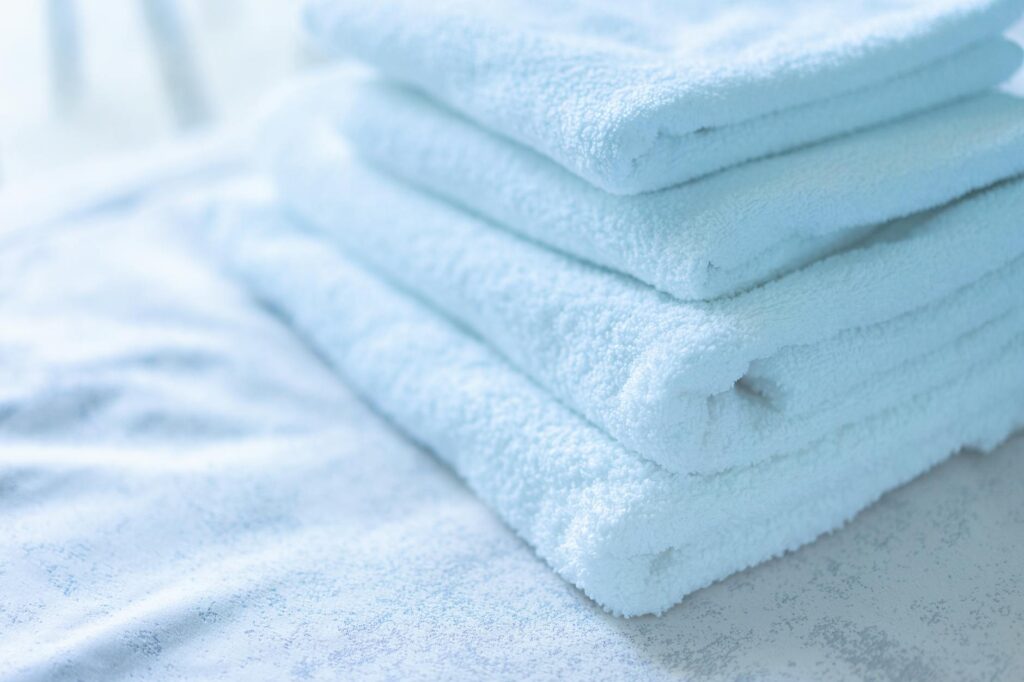
Mildew on Towels Laundry Guide Part 2
Introduction
Mildew on towels is not just an eyesore; it can also lead to unpleasant odors and an unsatisfactory experience when drying off after a shower. In this guide, we’ll dive into the causes of mildew growth on towels, effective cleaning methods to tackle the issue, and tips to prevent it from returning. Let’s get started on restoring freshness to your towels!
What Causes Laundry?
Mildew thrives in warm, damp environments. Towels, which are designed to absorb moisture, can become breeding grounds for mildew if not cared for properly. The key factors contributing to mildew on towels include:
- Humidity: High humidity levels in your bathroom or laundry room can promote mildew growth.
- Inadequate Drying: Towels that remain damp for extended periods are more likely to develop mildew.
- Poor Washing Practices: Insufficient washing or using the wrong detergent can leave residues that encourage mildew.
- Long Storage Times: Storing towels while they’re still wet or in a closed environment can trap moisture.
- Washing Frequency: Towels often go unused for days, allowing moisture to linger and mildew to form.
- Temperature: Warm temperatures during washing and drying can create an ideal situation for mildew.
- Detergent Residue: Using too much detergent can lead to buildup, which is a food source for mildew.
- Not Enough Airflow: Storing towels in a closed cabinet without sufficient airflow can trap moisture.
- White vinegar
- Baking soda
- Mild detergent
- A large bucket or washing machine
- Hot water
- Not Washing Enough: Wash towels at least every three uses to prevent mildew buildup.
- Ignoring Drying: Never leave wet towels in a pile; always hang them to dry.
- Overloading the Washer: Overloading can prevent thorough cleaning and rinsing.
- Using Cold Water: While some fabrics require cold water, hot water is often more effective against mildew.
- Not Checking for Residue: Ensure all detergent is rinsed out to prevent buildup.
- Wash Regularly: Make it a habit to wash towels every three to four uses.
- Ensure Full Drying: Always dry towels completely before storing them.
- Store in a Dry Place: Keep towels in a well-ventilated area to reduce humidity.
- Use a Dehumidifier: If your home is prone to humidity, consider investing in a dehumidifier, especially in the bathroom.
- Rotate Towels: Use a rotation system for towels to ensure they don’t sit unused for too long.
Why This Problem Happens
Understanding why mildew forms on towels can help you prevent it in the future. Here are some reasons:
How to Fix Laundry (Step-by-Step)
If your towels are already affected by mildew, follow these steps to restore them:
Step 1: Gather Supplies
You’ll need:
Step 2: Pre-Treat the Towels
1. Check for Stains: Inspect your towels for visible mildew stains.
2. Create a Soak Solution: In a large bucket or washing machine, mix 1 cup of white vinegar with 1 gallon of hot water.
3. Soak: Submerge the towels in the solution and let them soak for 30 minutes to an hour.
Step 3: Wash the Towels
1. Add Detergent: After soaking, transfer the towels to your washing machine. Add your usual detergent and 1 cup of baking soda to boost the cleaning power.
2. Select the Right Settings: Wash on the hottest setting suitable for your towels (usually hot or warm).
3. Rinse Thoroughly: Ensure a complete rinse cycle to remove all detergent and vinegar.
Step 4: Dry Properly
1. Use a Dryer: If possible, use a dryer on a high heat setting to kill any remaining mildew spores.
2. Air Dry: If you prefer air drying, hang towels in a well-ventilated area, preferably outdoors in the sun.
Best Cleaning Methods
Here are some effective methods for tackling mildew on towels:
Method 1: Vinegar and Baking Soda
As discussed, a combination of vinegar and baking soda works wonders. Vinegar acts as a natural disinfectant, while baking soda neutralizes odors.
Method 2: Hydrogen Peroxide
For stubborn stains, mix equal parts hydrogen peroxide and water. Apply to the affected areas, let sit for 30 minutes, then wash as usual.
Method 3: Commercial Mildew Removers
If natural methods don’t suffice, consider using a commercial mildew remover designed for laundry. Follow the instructions carefully.
Method 4: Borax
Adding Borax to your laundry can help eliminate mildew smells. Use ½ cup in addition to your regular detergent.
Common Mistakes to Avoid
To effectively combat mildew on towels, avoid these common pitfalls:
Prevention Tips
To keep your towels fresh and mildew-free:
Frequently Asked Questions
1. How do I know if my towels have mildew?
You’ll notice musty odors, dark spots, or discoloration on the fabric.
2. Can I use bleach on my towels to remove mildew?
While bleach can kill mildew, it can also weaken the fibers and cause discoloration. If you choose to use it, dilute it properly and rinse well.
3. Is there a specific temperature I should wash my towels to prevent mildew?
Hot water (around 140°F) is generally most effective for killing mildew. Always check the care labels on your towels.
4. How can I remove mildew stains after washing?
If stains remain, repeat the soaking method with vinegar, followed by a hot wash.
5. Can I prevent mildew without using chemicals?
Yes! Regular washing with vinegar, baking soda, and proper drying can be effective without harsh chemicals.
6. Are there specific towels that are less prone to mildew?
Microfiber towels tend to dry faster than cotton and are less susceptible to mildew, making them a good choice for bathrooms.
By following this guide, you can tackle and prevent mildew on your towels effectively. Keep your laundry routine consistent, and your towels will stay fresh and clean for all your drying needs!