
Mildew on Shoes Laundry Guide Part 2
Introduction
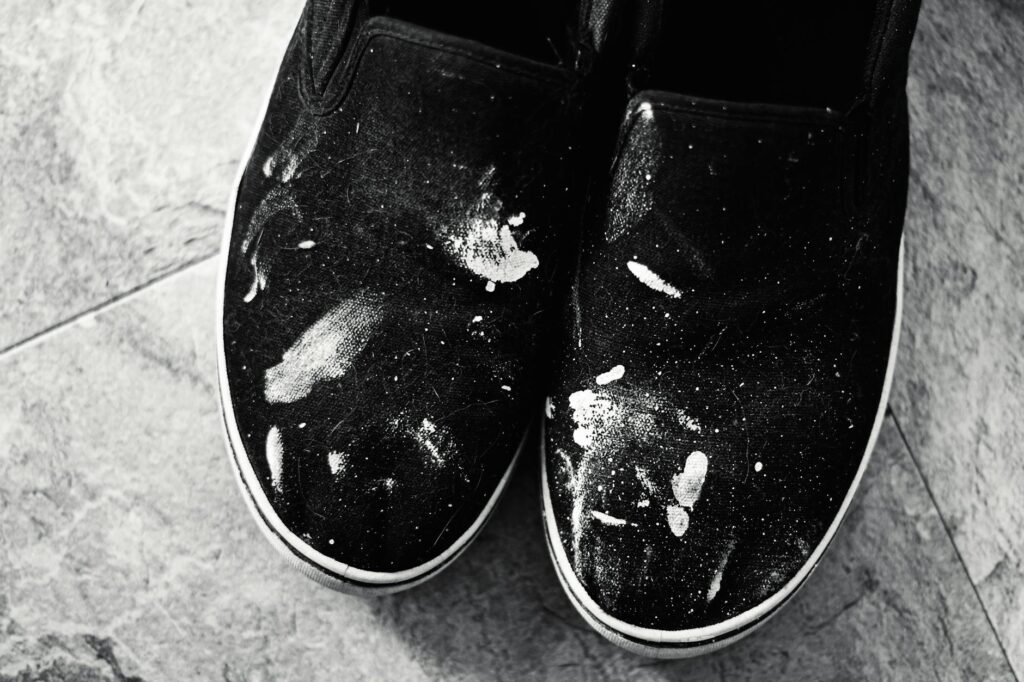
Mildew on shoes can be a frustrating issue for homeowners. Not only does it leave unsightly stains, but it can also create unpleasant odors. In this guide, we’ll dive into what causes mildew, why it happens, and how to effectively remove it from your shoes. You’ll find step-by-step instructions, cleaning methods, common mistakes to avoid, and prevention tips to keep your footwear mildew-free.
What Causes Mildew?
Mildew is a type of mold that thrives in warm, damp environments. It often appears as a fuzzy or powdery substance and can be gray, white, or even black. Mildew on shoes typically develops due to:
- Humidity: Wearing shoes in humid conditions increases the likelihood of mildew.
- Moisture: Not allowing shoes to dry properly after getting wet can lead to mildew growth.
- Poor ventilation: Storing shoes in dark, closed spaces with little airflow encourages mildew.
- Soft brush or toothbrush
- White vinegar or hydrogen peroxide
- Baking soda
- Clean cloths
- Water
- Spray bottle
- Old newspaper or paper towels
- Take the soft brush and gently scrub the affected areas to remove any loose mildew. Do this outside to prevent spores from spreading indoors.
- Vinegar Solution: Mix equal parts of white vinegar and water in a spray bottle.
- Hydrogen Peroxide: For tougher stains, use hydrogen peroxide. Apply it directly to the affected areas but test on a small, inconspicuous area first.
- Spray the vinegar solution or apply hydrogen peroxide to the mildew-affected areas.
- Let it sit for 10-15 minutes to penetrate the mildew.
- Use the soft brush to scrub the area gently.
- Wipe with a clean cloth dampened with water to remove the cleaning solution and mildew residue.
- Stuff the shoes with old newspaper or paper towels to absorb moisture and help maintain shape.
- Let them air dry in a well-ventilated area, away from direct sunlight, which can warp materials.
- If odors persist, sprinkle baking soda inside the shoes and let it sit overnight. Shake out the excess the next day.
Understanding these causes will help you take preventive measures.
Why This Problem Happens
Mildew grows in specific conditions:
1. Residual Moisture: Shoes can retain moisture from sweat or rainy weather.
2. Lack of Airflow: Storing shoes in a closet or box without ventilation creates a perfect breeding ground for mildew.
3. Temperature: Warm temperatures can accelerate mildew growth.
By recognizing these factors, you can better manage your shoe care routine.
How to Fix Mildew (Step-by-Step)
Here’s a straightforward, step-by-step process to remove mildew from your shoes:
Step 1: Gather Your Supplies
You will need:
Step 2: Brush Off the Mildew
Step 3: Prepare the Cleaning Solution
Step 4: Apply the Solution
Step 5: Scrub Again
Step 6: Dry Thoroughly
Step 7: Deodorize (Optional)
Best Cleaning Methods
1. Vinegar and Water
Vinegar’s acidic properties effectively break down mildew and deodorize shoes.
2. Hydrogen Peroxide
This is great for tougher mildew stains but should be used cautiously to avoid damaging materials.
3. Baking Soda
Baking soda is a natural deodorizer and can absorb moisture, making it useful for prevention as well.
4. Lemon Juice
Lemon juice can be mixed with baking soda to create a paste that can help lift mildew stains while leaving a fresh scent.
Common Mistakes to Avoid
1. Ignoring Moisture: Always dry shoes properly after use to prevent mildew growth.
2. Using Hot Water: Hot water can set mildew stains and damage some materials.
3. Not Testing Cleaners: Always test any cleaning solution on a small area first to avoid discoloration.
4. Storing Shoes Wet: Never put away damp shoes; ensure they are completely dry.
5. Using Strong Chemicals: Some chemicals can damage your shoes. Stick to gentle, natural cleaning methods.
Prevention Tips
1. Air Them Out: After wearing, remove shoes and allow them to breathe.
2. Use Silica Gel Packs: Place silica gel packs in your shoe storage area to absorb moisture.
3. Choose Breathable Materials: Opt for shoes made from materials that allow airflow.
4. Regular Cleaning: Incorporate regular cleaning into your shoe care routine.
5. Store Safely: Keep shoes in a cool, dry place, preferably with some ventilation.
Frequently Asked Questions
1. How do I know if my shoes have mildew?
Look for discoloration, fuzzy spots, or a musty smell. If any of these signs are present, your shoes likely have mildew.
2. Can I use bleach to remove mildew?
Bleach is not recommended for shoes, as it can damage materials and cause discoloration. Stick to vinegar or hydrogen peroxide for safer options.
3. What types of shoes are most susceptible to mildew?
Shoes made of fabric or leather are more prone to mildew due to their absorbent nature. However, any shoe can develop mildew if not properly cared for.
4. How often should I clean my shoes to prevent mildew?
A good rule of thumb is to clean your shoes every few weeks, especially if you wear them frequently or in humid conditions.
5. What should I do if mildew keeps returning?
If mildew returns despite cleaning, consider reevaluating your storage methods. Ensure shoes are completely dry and stored in a well-ventilated area.
6. Can I save shoes that have severe mildew damage?
In many cases, shoes can be salvaged with a thorough cleaning. However, if the material is severely compromised or the odor persists, it may be time to consider replacing them.
By following this practical guide, you can effectively tackle mildew on your shoes, ensuring they remain clean, fresh, and ready for wear.