
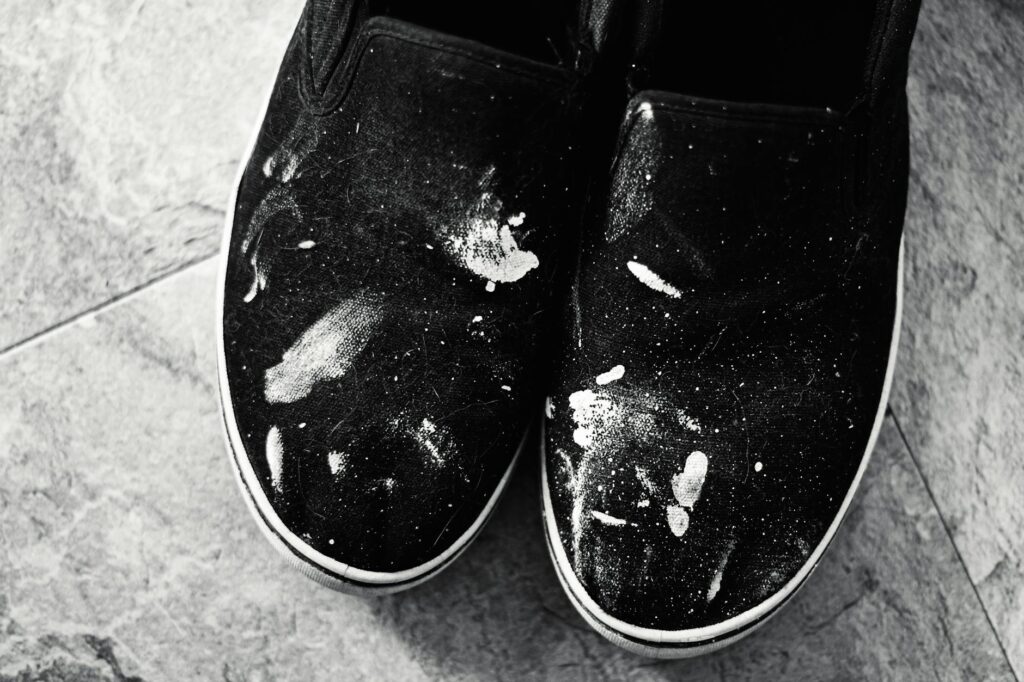
Mildew on Shoes Kitchen Guide Part 2
Introduction
Mildew on shoes can be a frustrating problem, especially when it occurs in the kitchen. Shoes are often exposed to moisture and food particles, creating an ideal breeding ground for mildew. This guide provides practical solutions for identifying, removing, and preventing mildew from forming on your shoes.
What Causes Mildew on Shoes?
Mildew thrives in damp environments, and kitchens can be hotspots due to spills, humidity, and heat. Here are some common causes:
1. High Humidity: Kitchens can become humid, especially after cooking or washing dishes.
2. Moisture from Food: Spills or crumbs that aren’t cleaned up can lead to mildew growth.
3. Poor Air Circulation: Shoes stored in closed spaces without airflow can trap moisture.
4. Wet Shoes: Wearing shoes in wet conditions without proper drying can cause mildew to develop.
Why This Problem Happens
Understanding why mildew forms is essential for effective cleaning and prevention. Mildew is a type of fungus that feeds on organic materials. In kitchens, the combination of food particles, moisture, and warmth creates a perfect environment for mildew spores to settle and grow.
Additionally, if shoes are stored in a damp area or not dried properly, they become more susceptible to mildew. Regular exposure to these conditions will only exacerbate the issue, making it crucial to address it promptly.
How to Fix Mildew on Shoes (Step-by-Step)
If you discover mildew on your shoes, follow these steps to clean them effectively:
Step 1: Gather Your Supplies
- Soft brush or cloth
- White vinegar or rubbing alcohol
- Baking soda
- Water
- Spray bottle
- Old toothbrush or scrubbing brush
- Clean towels or paper towels
- Canvas Shoes: Use a mixture of water and mild detergent. Scrub with a soft brush, rinse, and air dry.
- Leather Shoes: Clean with a damp cloth and a small amount of leather conditioner. Avoid soaking the leather.
- Synthetic Materials: Use vinegar or alcohol solution; they are safe for most synthetic materials.
Step 2: Remove Loose Debris
Begin by removing any loose dirt or debris from the shoes. Use a soft brush to gently scrub the exterior, focusing on areas where mildew is visible.
Step 3: Prepare Cleaning Solution
Mix equal parts of white vinegar or rubbing alcohol with water in a spray bottle. Both substances are effective at killing mildew spores.
Step 4: Apply the Solution
Spray the affected areas generously with the cleaning solution. Allow it to sit for 10-15 minutes to penetrate the mildew.
Step 5: Scrub the Affected Areas
Using an old toothbrush or scrubbing brush, gently scrub the mildew-affected areas. Be thorough but gentle to avoid damaging the shoe material.
Step 6: Rinse and Dry
Wipe down the shoes with a clean, damp cloth to remove any residue. After rinsing, allow the shoes to air dry completely in a well-ventilated area. Avoid direct sunlight, which can cause fading.
Step 7: Deodorize (Optional)
If there’s still an odor after cleaning, sprinkle baking soda inside the shoes and let it sit overnight. Shake out the excess baking soda the next day.
Best Cleaning Methods
Different materials may require different cleaning approaches. Here are some effective methods based on shoe types:
Common Mistakes to Avoid
To ensure effective cleaning and prevent future mildew issues, avoid these common mistakes:
1. Ignoring Moisture: Don’t overlook dampness in your kitchen. Regularly check for leaks or spills.
2. Storing Wet Shoes: Never store wet shoes. Ensure they are completely dry before putting them away.
3. Using Harsh Chemicals: Avoid bleach or harsh cleaners that can damage shoe materials.
4. Neglecting Airflow: Keep shoes in a well-ventilated area; don’t store them in closed, humid spaces.
Prevention Tips
Taking preventative measures can significantly reduce the likelihood of mildew growth on shoes:
1. Keep Your Kitchen Dry: Wipe up spills immediately and ensure proper ventilation while cooking.
2. Air Out Shoes Regularly: Allow shoes to dry after wearing them, especially if they got wet.
3. Use Dehumidifiers: If your kitchen tends to be humid, consider using a dehumidifier to manage moisture levels.
4. Store Shoes Properly: Use shoe racks or containers that allow airflow. Avoid stacking shoes closely together.
5. Regular Cleaning: Periodically clean your shoes, even if you don’t see mildew. This will help remove any spores that may be lurking.
Frequently Asked Questions
1. Can I use bleach to clean mildew from shoes?
Bleach can damage shoe materials. It’s better to use vinegar or rubbing alcohol, which are effective and less harsh.
2. How can I prevent mildew if I live in a humid climate?
Invest in a dehumidifier and ensure good ventilation in your kitchen. Regularly air out shoes and keep them dry.
3. Is it safe to wear shoes with mildew?
Wearing shoes with mildew can cause skin irritation or respiratory issues. It’s best to clean them thoroughly before wearing.
4. How do I know if the mildew is gone?
After cleaning, check for any remaining spots or odors. If the shoes smell fresh and look clean, the mildew is likely removed.
5. Can I machine wash my shoes to remove mildew?
It depends on the shoe type. Check the care label. Some shoes can be machine washed, but others may be damaged by water.
6. What if the mildew has stained my shoes?
Stains can be more challenging to remove. Try using a mixture of baking soda and water to create a paste. Apply it to the stain, let it sit for a few hours, and then scrub gently before rinsing.
By following this guide, you can effectively tackle mildew on shoes and keep them clean and fresh, ensuring a healthier kitchen environment. Regular maintenance and prompt action will help you avoid this common problem in the future.