
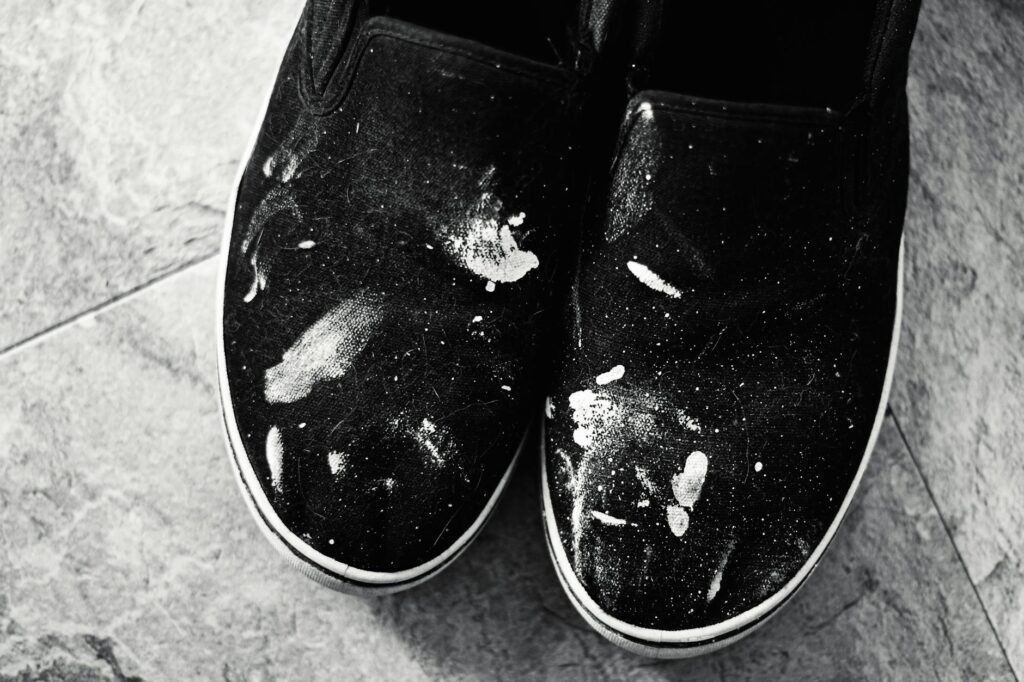
Mildew on Shoes Cleaning Guide Part 2
Introduction
Mildew on shoes can be a frustrating problem for many homeowners. Not only can it ruin the appearance of your favorite footwear, but it can also lead to unpleasant odors and potential damage. In this guide, we will explore the causes of mildew, why it happens, effective cleaning methods, and tips for prevention. Let’s dive into a comprehensive solution to keep your shoes mildew-free.
What Causes Mildew?
Mildew thrives in damp and humid environments. When shoes are exposed to moisture—whether from sweat, rain, or improper storage—they become an ideal breeding ground for mildew. Understanding the causes can help you tackle the problem effectively.
Common Causes:
- Humidity: High humidity levels in your home or closet can promote mildew growth.
- Sweat: Your feet produce moisture, which can seep into your shoes, especially if worn for extended periods.
- Wet Shoes: Storing wet shoes without proper drying can lead to mildew.
- Poor Air Circulation: Shoes stored in enclosed spaces with little airflow are more prone to mildew.
- Material: Certain materials like canvas and leather are more susceptible to mildew than others.
- Time: The longer shoes remain damp, the more likely mildew will develop.
- Temperature: Warm temperatures can accelerate mildew growth.
- Soft brush or toothbrush
- White vinegar or hydrogen peroxide
- Baking soda
- Clean cloths or paper towels
- Water
- Spray bottle (optional)
- Take the soft brush or toothbrush and gently scrub the affected areas to remove loose mildew. Do this outside to avoid spreading spores indoors.
- Vinegar Solution: Mix equal parts of white vinegar and water in a spray bottle.
- Hydrogen Peroxide Solution: Use undiluted hydrogen peroxide if the mildew is stubborn.
- Spray the affected areas with your chosen solution. Let it sit for 10-15 minutes to penetrate the mildew.
- Using a clean cloth or sponge, scrub the area again. Be thorough but gentle to avoid damaging the material.
- Wipe off any excess solution with a damp cloth.
- Air dry the shoes in a well-ventilated area, away from direct sunlight to prevent damage. You can stuff them with newspaper to help absorb moisture.
- Once dry, sprinkle baking soda inside the shoes to absorb any lingering odors. Leave it overnight and shake out the excess in the morning.
- Use a mixture of water and mild soap instead of vinegar. Leather is sensitive to acidity, so avoid harsh cleaners.
- Soak them in a mixture of water and vinegar for 30 minutes before scrubbing. This can help lift stubborn mildew stains.
- Use a diluted bleach solution (1:10 ratio of bleach to water) for white synthetic shoes. Rinse thoroughly afterward to avoid damage.
- Store in a Dry Place: Choose a cool, dry area for shoe storage.
- Use Silica Gel Packs: Place silica gel packs in your shoe boxes to absorb moisture.
- Rotate Shoes: Avoid wearing the same pair every day; give them time to air out.
- Clean Regularly: Regularly clean and check your shoes for signs of mildew.
- Use Waterproof Spray: Treat shoes with a waterproofing spray appropriate for their material.
Why This Problem Happens
Mildew is a type of fungus that reproduces via spores. When shoes are kept damp or in poorly ventilated areas, the spores find a suitable environment to grow. Once mildew establishes itself, it can quickly spread, making it essential to address the issue as soon as it’s detected.
Factors That Contribute to Mildew Growth:
How to Fix Mildew on Shoes (Step-by-Step)
If you find mildew on your shoes, don’t panic! Follow these step-by-step instructions to clean them effectively.
Step 1: Gather Your Supplies
You will need:
Step 2: Brush Off the Mildew
Step 3: Prepare Your Cleaning Solution
Step 4: Apply the Solution
Step 5: Scrub and Wipe Down
Step 6: Dry Properly
Step 7: Deodorize
Best Cleaning Methods
While the vinegar and hydrogen peroxide methods are effective for most materials, the best cleaning method can vary based on the shoe type.
For Leather Shoes
For Canvas Shoes
For Synthetic Materials
Common Mistakes to Avoid
Cleaning mildew can be tricky, and there are common pitfalls to avoid:
1. Ignoring the Source: Don’t just clean the surface; identify and address the underlying moisture issue.
2. Using Strong Chemicals: Harsh chemicals can damage your shoes. Stick to milder solutions.
3. Not Drying Properly: Always ensure shoes are completely dry after cleaning to prevent mildew recurrence.
4. Storing Wet Shoes: Never store shoes without drying them first, regardless of the material.
5. Overloading Storage: Keep shoes in a well-ventilated space rather than cramming them into tight spaces.
Prevention Tips
Preventing mildew is much easier than cleaning it. Here are some actionable tips to keep your shoes safe from mildew:
Frequently Asked Questions
1. Can I wash my shoes in the washing machine to remove mildew?
Yes, if the shoes are machine washable. Check the label first. Use a gentle cycle and air dry afterward.
2. How can I tell if my shoes have mildew or just dirt?
Mildew often appears as black or green spots and may have a musty odor. Dirt usually looks like smudges or stains.
3. Is it safe to use bleach on all shoe materials?
No, bleach can damage certain materials. Use it only on white synthetic shoes and always dilute it.
4. Can mildew on shoes be harmful?
While not directly harmful, mildew can cause unpleasant odors and may trigger allergic reactions in sensitive individuals.
5. How often should I check my shoes for mildew?
Check them regularly, especially during humid months or if they’ve been stored for a while.
6. What if my shoes are heavily infested with mildew?
In severe cases, it may be best to consult a professional cleaner or consider replacing the shoes if they cannot be salvaged.
By following this comprehensive guide, you can effectively tackle mildew on your shoes and keep them looking and smelling fresh. Remember, prevention is key to avoiding this pesky problem in the future.