
Mildew in Laundry Kitchen Guide Part 2
Introduction
Mildew in your kitchen can be a frustrating problem, especially when it spills over into your laundry. This guide will help you understand the causes of mildew, why it occurs, and provide actionable steps to eliminate it effectively. You’ll also find tips to prevent it from returning and answers to common questions about mildew in your kitchen and laundry.
What Causes Kitchen Mildew?
Mildew thrives in damp, warm environments, making kitchens a prime location, especially when laundry is involved. Here are the primary contributors:
1. High Humidity: Kitchens often experience high humidity from cooking and washing dishes.
2. Poor Ventilation: Lack of airflow can trap moisture, creating a perfect breeding ground for mildew.
3. Spills and Residues: Food spills can lead to mold growth if not cleaned promptly.
4. Laundry Issues: Damp laundry left in the kitchen can exacerbate mildew problems.
5. Leaky Pipes: Any leaks from plumbing can create moisture buildup.
Why This Problem Happens
Understanding why mildew develops can help you tackle the issue more effectively. Here are key reasons:
- Environmental Conditions: Kitchens naturally have higher moisture levels due to cooking and cleaning.
- Infrequent Cleaning: Regular cleaning is essential to prevent mildew from establishing.
- Laundry Habits: Leaving wet clothes in the kitchen can lead to mold growth.
- Organic Matter: Mildew feeds on organic materials, such as food particles or fabric fibers.
- White vinegar or hydrogen peroxide
- Baking soda
- Spray bottles
- Scrub brush or sponge
- Microfiber cloths
- Gloves and a mask (for protection)
- Vinegar Solution: Mix equal parts of white vinegar and water in a spray bottle.
- Baking Soda Paste: Combine baking soda with a small amount of water to form a paste.
- Vinegar: Acts as a natural disinfectant and can kill about 82% of mold species.
- Baking Soda: Absorbs moisture and deodorizes, making it perfect for laundry.
- Hydrogen Peroxide: A strong anti-fungal agent; dilute it for use on surfaces.
- Tea Tree Oil: A natural anti-fungal that can be added to cleaning solutions for added efficacy.
- Ignoring the Root Cause: Simply cleaning mildew without addressing the humidity or ventilation will lead to recurrence.
- Using Bleach: While bleach can kill mildew, it doesn’t prevent growth and can contribute to respiratory issues.
- Not Wearing Protective Gear: Failing to use gloves or masks can expose you to harmful spores.
- Overlooking Laundry: Neglecting damp laundry can allow mildew to spread into your kitchen.
- Improve Ventilation: Use exhaust fans and open windows to reduce humidity.
- Regular Cleaning: Clean surfaces regularly with a mild cleaner to prevent buildup.
- Dry Laundry Promptly: Always dry laundry immediately, and avoid leaving damp clothes in the kitchen.
- Use Dehumidifiers: If your kitchen is particularly humid, consider using a dehumidifier to control moisture levels.
- Seal Leaks: Regularly check for plumbing leaks and repair them promptly to eliminate moisture sources.
How to Fix Kitchen Mildew (Step-by-Step)
If you discover mildew in your kitchen or laundry area, follow these steps to effectively eliminate it:
Step 1: Gather Supplies
You will need:
Step 2: Identify the Affected Areas
Inspect your kitchen and laundry area thoroughly. Look for discolored patches on walls, ceilings, inside cupboards, and on laundry items.
Step 3: Prepare the Cleaning Solution
Step 4: Apply the Cleaning Solution
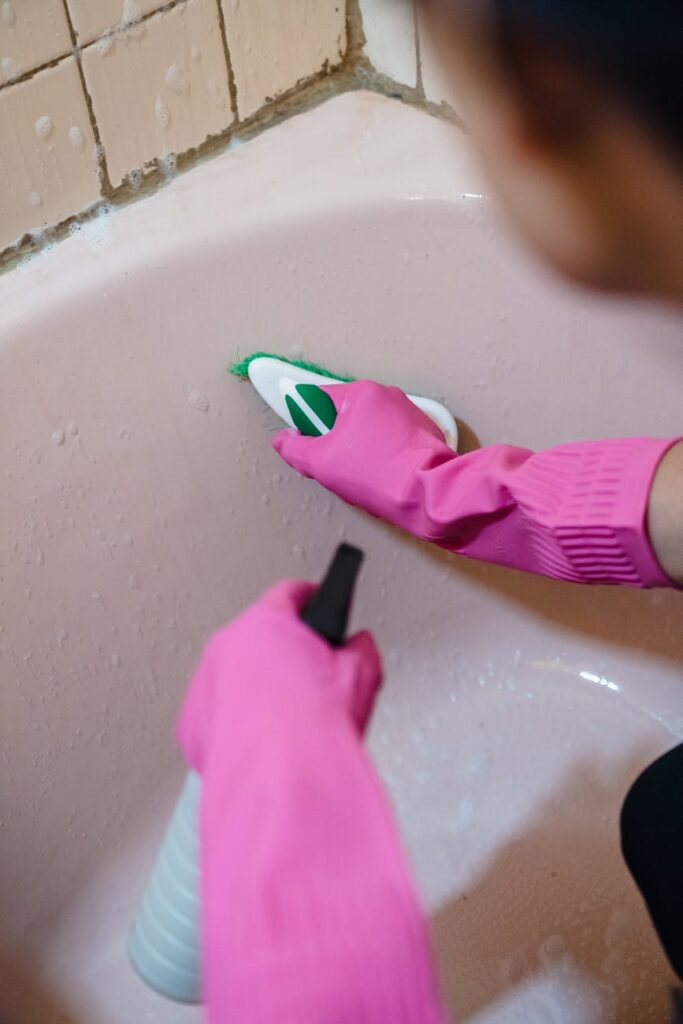
1. Spray the Affected Areas: Apply the vinegar solution generously on mildew spots. Let it sit for 10-15 minutes.
2. Scrub the Area: Use a scrub brush or sponge to scrub away the mildew. For stubborn spots, apply the baking soda paste directly and let it sit for 15 minutes before scrubbing.
Step 5: Rinse and Dry
After scrubbing, rinse the area with clean water and dry it thoroughly with a microfiber cloth. Ensure the space is well-ventilated to speed up the drying process.
Step 6: Wash Affected Laundry
For laundry items affected by mildew:
1. Wash them in hot water with a cup of white vinegar.
2. Use a regular detergent and dry them thoroughly.
Best Cleaning Methods
Here are some effective cleaning methods to eliminate mildew:
Common Mistakes to Avoid
When dealing with mildew, avoid these pitfalls:
Prevention Tips
Preventing mildew is easier than dealing with existing problems. Here are some proactive measures:
Frequently Asked Questions
1. How can I tell if I have mildew or mold in my kitchen?
Mildew appears as a white or gray powdery substance, while mold can appear in various colors and has a fuzzy texture. Both can cause a musty smell.
2. Is it safe to use bleach on mildew?
While bleach can kill mildew, it can also produce harmful fumes and does not prevent future growth. Opt for vinegar or hydrogen peroxide instead.
3. Can I wash mildew-infested clothes in a regular wash?
Yes, but it’s best to wash them with hot water and add white vinegar to help eliminate the mildew smell and spores.
4. How often should I clean my kitchen to prevent mildew?
Aim for a weekly cleaning routine that includes wiping down surfaces and checking for moisture accumulation.
5. What can I do if mildew keeps returning?
Reassess your kitchen’s humidity and ventilation. Make necessary adjustments and follow prevention tips diligently.
6. Are there any natural remedies for mildew?
Yes, vinegar, baking soda, and tea tree oil are effective natural remedies for cleaning and preventing mildew growth.
By following these guidelines, you can tackle mildew problems in your kitchen and laundry effectively. Regular maintenance and proactive measures will keep your kitchen cleaner and more pleasant for cooking and living.