
Mildew in Laundry Bathroom Guide Part 2
Introduction
Mildew in your bathroom laundry can be a persistent and frustrating issue. It not only affects the cleanliness and smell of your laundry but can also lead to health concerns if left unchecked. In this guide, we’ll explore the causes of mildew, why it happens, and actionable steps to eliminate it effectively. Let’s get started on reclaiming your bathroom space!
What Causes Bathroom Mildew?
Mildew thrives in damp, warm environments, making bathrooms a prime target. Here are the main culprits:
1. Humidity: High moisture levels from showers and baths create an ideal breeding ground.
2. Poor Ventilation: Lack of airflow allows moisture to linger, promoting mildew growth.
3. Dirty Surfaces: Soap scum, hair, and organic debris can provide food for mildew.
4. Water Leaks: Leaky pipes or fixtures can introduce excess moisture.
5. Laundry Habits: Wet towels and clothes left in the laundry hamper can contribute to mildew proliferation.
Understanding these factors is crucial for effective remediation.
Why This Problem Happens
Mildew can form quickly due to several reasons:
- Temperature Fluctuations: Warm air holds more moisture; when temperatures drop, this moisture can condense, leading to damp surfaces.
- Neglect: Regular cleaning and drying are often overlooked, especially in busy households.
- Improper Drying: If laundry is left damp or folded before it dries completely, mildew can set in.
- White vinegar or bleach
- Baking soda
- Spray bottle
- Scrub brush or sponge
- Microfiber cloths
- Rubber gloves
- Bucket
- Fill a spray bottle with equal parts water and white vinegar.
- Spray the affected areas and let it sit for 30 minutes.
- Mix one cup of bleach with a gallon of water.
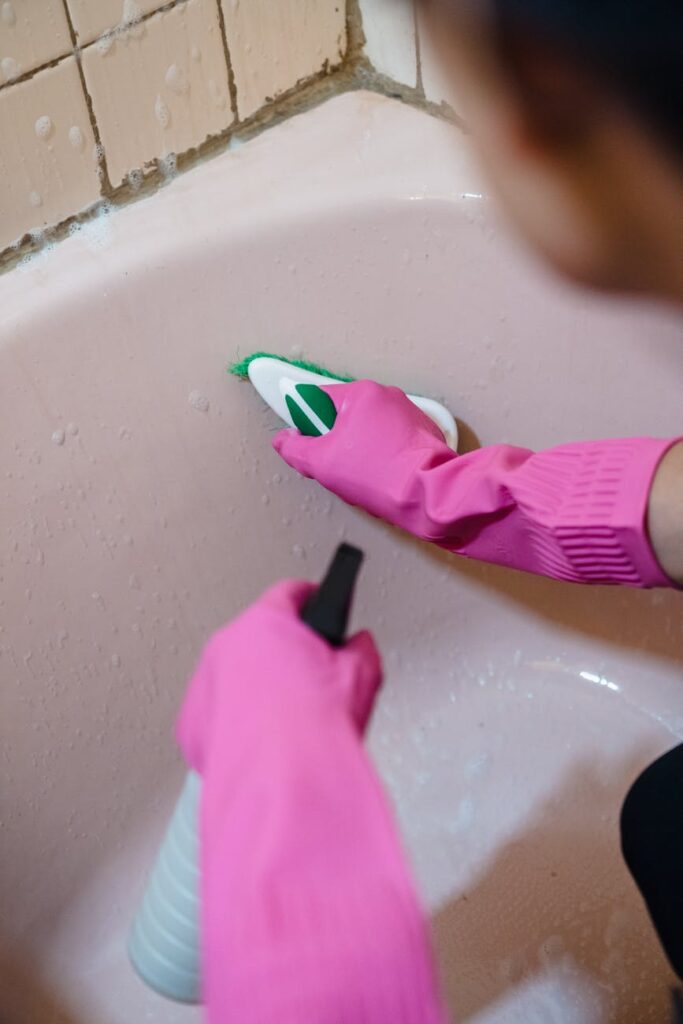
- Use gloves and apply the solution to the mildew with a scrub brush.
- After letting the solution sit, scrub the affected areas thoroughly.
- Focus on corners, seams, and any visible mildew.
- Rinse the area with clean water and wipe it down with a microfiber cloth.
- Ensure the area is thoroughly dried to prevent future mildew growth.
- For laundry that has been affected, wash it in hot water with a cup of vinegar to eliminate mildew odor and stains.
- For Tiles and Grout: Use a paste of baking soda and water for scrubbing stubborn mildew stains.
- For Towels: Wash towels in hot water with a cup of baking soda and a cup of vinegar for complete odor removal.
- For Shower Curtains: Machine wash with vinegar or bleach, depending on the fabric.
Recognizing these underlying issues will help you target the problem effectively.
How to Fix Bathroom Mildew (Step-by-Step)
Step 1: Gather Your Supplies
You will need:
Step 2: Prepare the Area
1. Remove Items: Clear the bathroom of any items near the affected areas.
2. Ventilate: Open windows and doors to improve airflow.
Step 3: Apply Cleaning Solution
1. Vinegar Method:
2. Bleach Method:
Step 4: Scrub the Area
Step 5: Rinse and Dry
Step 6: Wash Affected Laundry
Best Cleaning Methods
Different areas may require different cleaning methods:
Common Mistakes to Avoid
1. Using Too Much Water: Excess moisture during cleaning can worsen mildew.
2. Ignoring Ventilation: Failing to ventilate the bathroom can lead to recurring problems.
3. Not Taking Preventive Measures: Cleaning without addressing the root cause will lead to repeat issues.
4. Mixing Cleaners: Avoid combining bleach with ammonia or other cleaners, as this can create dangerous fumes.
Prevention Tips
1. Improve Ventilation: Use exhaust fans and leave doors open to promote airflow.
2. Regular Cleaning: Clean surfaces weekly to prevent buildup.
3. Dry Towels and Laundry Promptly: Avoid leaving damp items lying around.
4. Use Dehumidifiers: Particularly in high-humidity areas, these can help manage moisture levels.
5. Seal Grout and Caulking: Applying a sealant can help protect surfaces from moisture absorption.
Frequently Asked Questions
1. How can I tell if I have mildew or mold?
Mildew typically appears as a powdery, white to gray substance, while mold can be darker and fuzzy. Both thrive in moisture.
2. Can I use essential oils to combat mildew?
While some essential oils have antifungal properties, they are not a substitute for thorough cleaning. Use them as an additional measure after cleaning.
3. What should I do if mildew keeps coming back?
Investigate potential moisture sources, improve ventilation, and consider professional help if necessary.
4. Is bleach the best solution for mildew?
Bleach is effective but can damage some surfaces. Vinegar is a safer alternative for regular cleaning.
5. How often should I clean to prevent mildew?
Aim to clean your bathroom surfaces at least once a week and laundry frequently.
6. Are there any natural remedies for cleaning mildew?
In addition to vinegar, baking soda and hydrogen peroxide can be effective in combating mildew.
By following these guidelines, you’ll be well on your way to eliminating and preventing mildew in your bathroom laundry. Regular maintenance and awareness are key to keeping your space clean and healthy.