
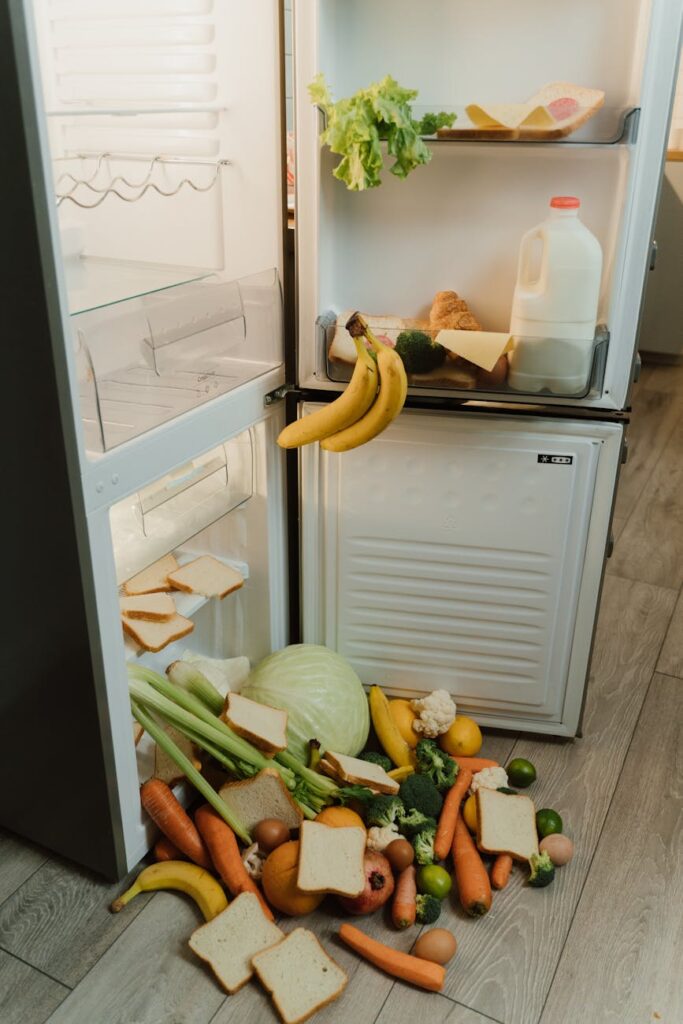
Mildew in Fridge Laundry Guide Part 2
Introduction
Mildew in your fridge can lead to unpleasant odors and can affect the freshness of your food. If you’ve noticed a musty smell or visible spores, it’s time to take action. This guide will help you understand the causes of mildew and provide you with practical steps to eliminate it effectively.
What Causes Laundry?
Mildew thrives in damp, dark environments, making your fridge an ideal breeding ground. Here are some common factors that contribute to mildew growth:
- Excess Moisture: Spills from food items or high humidity can create a damp environment.
- Poor Air Circulation: Overstuffing your fridge can block airflow, trapping moisture.
- Warm Temperatures: If your fridge isn’t cold enough, it can encourage mildew.
- Food Residue: Spoiled or improperly stored food can also contribute to mildew growth.
- Improper Cleaning: Regular cleaning habits may be overlooked, allowing mildew to take hold.
- Inconsistent Temperature: If your fridge isn’t set to the correct temperature (ideally 37°F), it can lead to condensation.
- Neglecting Spills: Small spills can easily be forgotten, promoting mildew over time.
- Expired Foods: Foods sitting too long can decompose, creating an ideal environment for mildew.
- Rubber gloves
- Dish soap
- White vinegar
- Baking soda
- Soft cloths or sponges
- Spray bottle
- Old toothbrush (for crevices)
- Regular Cleaning: Clean your fridge every 1-2 weeks. Remove expired food and wipe down surfaces.
- Vinegar Solution: Use a vinegar solution regularly to prevent mildew.
- Baking Soda Trays: Place an open box of baking soda in your fridge to absorb excess moisture and odors.
- Essential Oils: Consider adding a few drops of tea tree or lavender oil to your cleaning solution for added mildew prevention, as these oils have antifungal properties.
- Ignoring Spills: Always clean spills immediately to prevent mildew growth.
- Keeping Expired Foods: Regularly check expiration dates and discard old food.
- Overstuffing the Fridge: This prevents air circulation and encourages moisture buildup.
- Neglecting the Door Seal: Clean the rubber seals around the door regularly, as they can trap moisture.
- Temperature Control: Keep your fridge at 37°F to prevent condensation.
- Use a Hygrometer: A hygrometer can help monitor humidity levels in your fridge.
- Proper Storage: Use airtight containers for food to limit moisture.
- Regular Maintenance: Schedule a cleaning day every month to maintain a clean environment.
Why This Problem Happens
Understanding why mildew develops can help you prevent it in the future. Key reasons include:
How to Fix Laundry (Step-by-Step)
If you’ve identified mildew in your fridge, follow these detailed steps to clean it effectively:
Step 1: Gather Your Supplies
Before you start cleaning, gather the following items:
Step 2: Empty the Fridge
Remove all items from your fridge. Check expiration dates and discard any spoiled food.
Step 3: Remove Shelves and Drawers
Take out all removable shelves and drawers. This gives you access to all surfaces and makes cleaning easier.
Step 4: Clean the Interior
1. Soap and Water: Mix warm water with dish soap. Use a soft cloth to wipe down all surfaces inside the fridge, including walls and door seals.
2. Vinegar Spray: In a spray bottle, mix equal parts of white vinegar and water. Spray this solution on areas with visible mildew. Let it sit for 5-10 minutes before wiping it clean.
3. Baking Soda Scrub: For stubborn spots, sprinkle baking soda directly on the area and scrub with a soft cloth or an old toothbrush. This will help lift the mildew.
Step 5: Clean Shelves and Drawers
Wash the shelves and drawers in warm, soapy water. For extra disinfection, rinse them with white vinegar. Allow them to dry completely before placing them back in the fridge.
Step 6: Dry Everything
Ensure the interior is dry before returning items. Use a clean, dry cloth to wipe down surfaces.
Step 7: Return Food Items
Once everything is clean and dry, return your food items to the fridge, organizing them to allow for proper air circulation.
Best Cleaning Methods
To keep mildew at bay in your fridge, consider these cleaning methods:
Common Mistakes to Avoid
To effectively combat mildew, avoid these common pitfalls:
Prevention Tips
Preventing mildew is easier than cleaning it up. Here are some tips to keep your fridge mildew-free:
Frequently Asked Questions
1. How often should I clean my fridge?
Aim to clean your fridge every 1-2 weeks to prevent mildew and odors.
2. What should I do if the mildew returns?
If mildew returns, reassess your cleaning routine and ensure you’re maintaining proper temperature and storage practices.
3. Can I use bleach to clean mildew?
While bleach can kill mildew, it’s not recommended for cleaning food storage areas due to its harsh chemicals. Stick to vinegar and baking soda.
4. Is it safe to store food after cleaning with vinegar?
Yes, vinegar is safe and effective for cleaning food surfaces. Just ensure everything is rinsed and dried before returning food.
5. How can I reduce humidity in my fridge?
Keep the fridge organized, avoid overstuffing, and use baking soda to absorb excess moisture.
6. What if I have a persistent odor after cleaning?
If odors persist, check for hidden spills or expired food items that may need to be addressed. A bowl of baking soda can also help absorb lingering smells.
By following this comprehensive guide, you can effectively tackle mildew in your fridge and maintain a clean, fresh environment for your food. Keep your cleaning routine consistent, and you’ll enjoy a mildew-free fridge for years to come.