
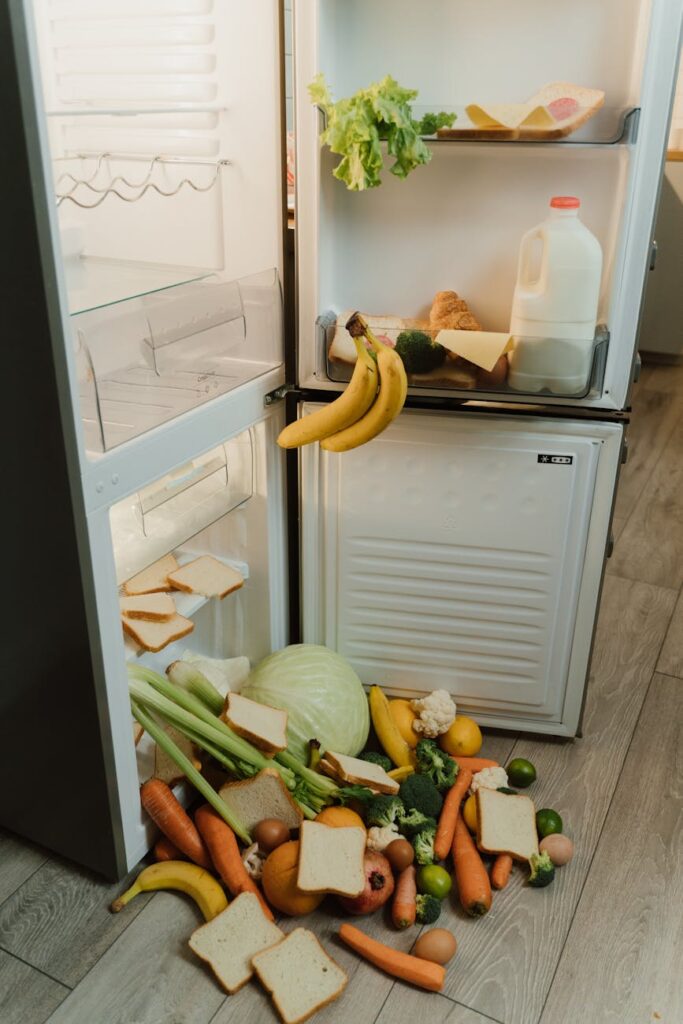
Mildew in Fridge Kitchen Guide Part 2
Introduction
Mildew in the fridge can be a frustrating and unpleasant issue for any homeowner. It not only affects the cleanliness of your kitchen but can also compromise the freshness of your food. In this guide, we’ll explore the causes of mildew, how to effectively clean it, and tips for preventing it from returning. Let’s dive right in!
What Causes Mildew in the Fridge?
Mildew thrives in damp, dark, and warm environments. Inside your fridge, certain conditions can create a perfect breeding ground. Here are some common causes:
1. High Humidity: Excess moisture from food items, especially fruits and vegetables, can contribute to mildew growth.
2. Spills and Crumbs: Food spills or crumbs left in the fridge can be a source of mold and mildew.
3. Poor Air Circulation: Overcrowding the fridge can limit airflow, trapping moisture.
4. Infrequent Cleaning: If the fridge isn’t cleaned regularly, food particles and spills can accumulate, leading to mildew.
5. Temperature Fluctuations: If your fridge isn’t maintaining a steady temperature, it can create conditions favorable to mildew.
Why This Problem Happens
Understanding why mildew appears in your fridge can help you tackle the issue more effectively. Here are key reasons:
- Condensation: When warm air enters the fridge, it condenses into water, creating a damp environment.
- Spoiled Food: Leftover food that has gone bad can release moisture and promote mildew growth.
- Inadequate Cleaning Habits: Neglecting to clean your fridge regularly allows mildew spores to settle and grow.
- Old Fridge: An aging appliance may not regulate temperature efficiently, leading to moisture accumulation.
- Remove all items from the fridge. Check expiration dates and discard any spoiled or questionable items.
- Take out removable shelves and drawers to clean them separately. This allows for a thorough cleaning of all surfaces.
- Mix a cleaning solution using equal parts water and white vinegar or a mild dish soap. Vinegar is particularly effective against mildew.
- Using a soft sponge or cloth, apply the cleaning solution to the interior walls, ceiling, and floor of the fridge. Pay special attention to corners and seals where mildew often hides.
- Soak the removable shelves and drawers in the cleaning solution. Scrub any mildew spots and rinse thoroughly before returning them to the fridge.
- Wipe down all surfaces with clean water to remove any cleaning solution residue. Dry all surfaces completely with a clean towel.
- Before restocking, ensure that all food items are clean and properly sealed to minimize moisture.
How to Fix Mildew in the Fridge (Step-by-Step)
Cleaning mildew from your fridge is crucial for maintaining a safe food storage environment. Here’s a practical step-by-step guide:
Step 1: Empty the Fridge
Step 2: Remove Shelves and Drawers
Step 3: Prepare a Cleaning Solution
Step 4: Scrub the Interior
Step 5: Clean Shelves and Drawers
Step 6: Rinse and Dry
Step 7: Restock the Fridge
Best Cleaning Methods
Here are some of the most effective cleaning methods for tackling mildew in your fridge:
1. Vinegar Solution: As mentioned, a mix of vinegar and water is a natural mildew killer. It’s safe for food preparation areas and effective against mold.
2. Baking Soda Paste: Make a paste with baking soda and water. Apply it to affected areas, let it sit for 15 minutes, then scrub off with a damp cloth.
3. Bleach Solution: For severe mildew, a diluted bleach solution (1 tablespoon of bleach in a gallon of water) can be used. Ensure to rinse thoroughly afterward and never mix bleach with other cleaning agents.
4. Commercial Cleaners: If preferred, you can use store-bought mildew removers. Just ensure they are safe for food contact areas.
Common Mistakes to Avoid
Cleaning mildew can be straightforward, but avoid these common pitfalls:
1. Not Emptying the Fridge: Cleaning around items makes it easy to miss mildew spots.
2. Ignoring Seals and Gaskets: Mildew often hides in the door seals; make sure to clean these thoroughly.
3. Using Harsh Chemicals: Avoid strong chemicals that may leave harmful residues. Stick to food-safe cleaners.
4. Neglecting Regular Maintenance: Failing to clean your fridge regularly can lead to recurring mildew problems.
5. Overcrowding: Avoid cramming items into the fridge, as this restricts airflow and traps moisture.
Prevention Tips
To keep mildew at bay, consider these practical prevention tips:
1. Regular Cleaning: Make it a habit to clean your fridge every month to prevent buildup.
2. Monitor Humidity Levels: If your home is particularly humid, consider using a dehumidifier in the kitchen.
3. Seal Food Properly: Use airtight containers to store leftovers and prevent moisture from escaping.
4. Check Temperature Settings: Ensure your fridge is set to the optimal temperature (between 35°F and 38°F) to minimize condensation.
5. Keep it Organized: Avoid overcrowding. Keep similar items together to enhance air circulation.
Frequently Asked Questions
1. How often should I clean my fridge to prevent mildew?
Aim to clean your fridge at least once a month. Regular checks for spills and expired items can also help.
2. Can I use bleach to clean my fridge?
Yes, but make sure to dilute it properly and rinse thoroughly afterward to avoid harmful residues.
3. What should I do if mildew keeps coming back?
If mildew returns frequently, assess humidity levels, check the fridge’s temperature, and consider more frequent cleaning.
4. Are natural cleaners effective against mildew?
Yes, vinegar and baking soda are both effective and safe options for cleaning mildew.
5. Can I use essential oils to prevent mildew?
Some essential oils, like tea tree oil, have antifungal properties. Adding a few drops to your cleaning solution can help.
6. What temperature should my fridge be set to?
Keep your fridge between 35°F and 38°F to prevent excess moisture and mildew growth.
Conclusion
Mildew in your fridge is a common issue, but with the right cleaning methods and preventive measures, you can maintain a clean and safe food storage environment. By understanding the causes, implementing effective cleaning techniques, and following preventive tips, you can keep your fridge mildew-free for good. Happy cleaning!