
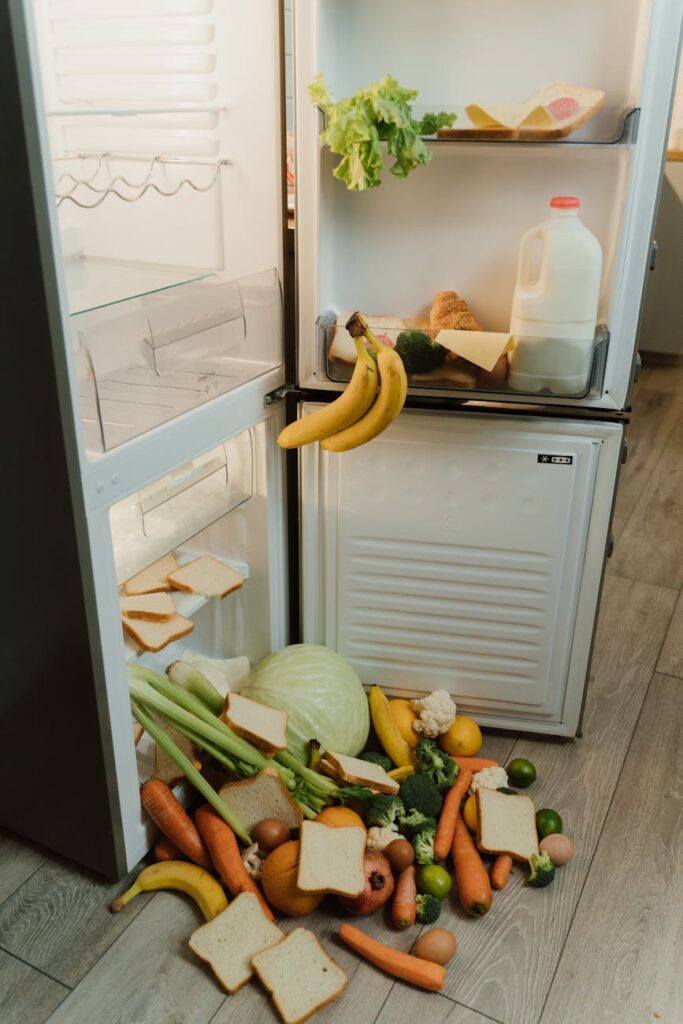
Mildew in Fridge Cleaning Guide Part 2
Introduction
Mildew in your fridge is more than just an eyesore; it can affect the freshness of your food and lead to unpleasant odors. In this guide, we’ll tackle the causes of mildew, provide effective cleaning methods, and share tips on how to prevent its return. Whether you’ve just discovered mildew or are looking to maintain a clean fridge, this guide will help you keep your appliance in top shape.
What Causes Mildew in Fridge?
Mildew thrives in environments that are moist and warm, making your refrigerator an ideal breeding ground if not properly maintained. Here are some common reasons for mildew growth:
1. High Humidity: Excess moisture from food items or external sources can create a damp environment.
2. Spills and Leaks: Unattended spills can provide a nutrient-rich area for mildew.
3. Poor Air Circulation: Blocked vents can prevent airflow, leading to stagnant air and moisture buildup.
4. Expired Food: Old food items can decay and promote mildew growth.
5. Temperature Fluctuations: Keeping the fridge at an inconsistent temperature can create condensation.
Understanding these causes will help you take preventive measures and ensure a cleaner fridge.
Why This Problem Happens
Mildew develops when mold spores settle in a moist environment, feeding on organic matter. When food spills occur, they not only attract pests but also create an environment ripe for mildew growth. Additionally, if your fridge door isn’t sealed properly, warm air can enter, increasing humidity levels. If you notice a musty smell or see dark spots, it’s crucial to address the problem immediately to avoid further contamination.
How to Fix Mildew (Step-by-Step)
Cleaning mildew from your fridge is straightforward if you follow these steps:
Step 1: Gather Your Supplies
- Cleaning Solution: You can use a mixture of water and vinegar (1:1 ratio) or a commercial mildew remover.
- Sponge or Cloth: Use a non-abrasive sponge or microfiber cloth.
- Soft-Bristled Brush: For tough spots.
- Baking Soda: For odor removal.
- Gloves and Mask: Optional but recommended for protection.
- Keep It Dry: Wipe up spills immediately and make sure containers are sealed.
- Regularly Check Food: Dispose of expired items weekly.
- Adjust Humidity Levels: Use a dehumidifier in damp areas of your home.
- Monitor Temperature: Ensure your fridge maintains a consistent temperature.
- Airflow: Leave space between items to facilitate air circulation.
Step 2: Empty the Fridge
Take everything out of the fridge, including shelves and drawers. This gives you a clear working space and allows you to check for expired food items.
Step 3: Inspect and Discard
Check each item for spoilage. Discard any expired food or items that may have mildew growth.
Step 4: Clean Removable Parts
Wash shelves and drawers in warm soapy water. For stubborn mildew, soak them in the cleaning solution for 15-30 minutes before scrubbing.
Step 5: Wipe Down the Interior
Using your cleaning solution, wipe down the interior surfaces. Pay special attention to corners and seals, where mildew often hides.
Step 6: Dry Thoroughly
Use a clean cloth to dry all surfaces completely. Moisture left behind can lead to further mildew growth.
Step 7: Reassemble and Restock
Place clean shelves back in the fridge and restock food items. Consider using airtight containers to reduce moisture exposure.
Best Cleaning Methods
While the vinegar solution is effective, there are other methods you can employ:
Baking Soda Paste
1. Mix baking soda with a small amount of water to create a paste.
2. Apply it to affected areas and let it sit for 15-20 minutes.
3. Scrub with a sponge and rinse with water.
Hydrogen Peroxide Solution
1. Mix equal parts hydrogen peroxide and water.
2. Spray the mixture on the mildew spots and let it sit for 10 minutes.
3. Wipe clean with a cloth.
Commercial Cleaners
If you prefer store-bought options, look for mildew-specific cleaners. Always follow the manufacturer’s instructions and ensure the product is safe for food-contact surfaces.
Common Mistakes to Avoid
1. Ignoring Spills: Always clean spills promptly to prevent mold and mildew.
2. Using Abrasive Cleaners: Avoid harsh chemicals that can damage surfaces or leave harmful residues.
3. Overloading the Fridge: A crowded fridge can restrict airflow, creating pockets of moisture.
4. Neglecting the Seals: Check door seals regularly for wear and tear; a faulty seal can let warm air in.
5. Not Setting the Right Temperature: Keep your fridge at or below 40°F (4°C) to minimize mold growth.
Prevention Tips
Preventing mildew is easier than dealing with it once it appears. Here are some effective strategies:
Frequently Asked Questions
1. How often should I clean my fridge?
Aim for a thorough clean every three months. However, check for spills and expired items weekly.
2. Can I use bleach to clean mildew?
Bleach is not recommended for cleaning food storage areas, as it can leave harmful residues. Stick to vinegar or baking soda.
3. What should I do if I have persistent mildew?
If mildew keeps returning despite cleaning, check for underlying issues like humidity levels or improper sealing.
4. Is it safe to store food in a fridge with mildew?
It’s best to remove all food and thoroughly clean the fridge before restocking to ensure safety.
5. How can I tell if my fridge is too humid?
Look for condensation on the walls or shelves, and check for mildew. A hygrometer can also help measure humidity levels.
6. Can I prevent mildew with essential oils?
Some essential oils, like tea tree oil, have antifungal properties. You can add a few drops to your cleaning solution, but ensure they are food-safe.
Conclusion
Mildew in your fridge can be a nuisance, but with a systematic approach to cleaning and prevention, you can maintain a fresh, healthy environment for your food. By following the steps outlined in this guide, you will not only address existing mildew but also prevent its recurrence, ensuring your fridge remains a safe space for food storage.