
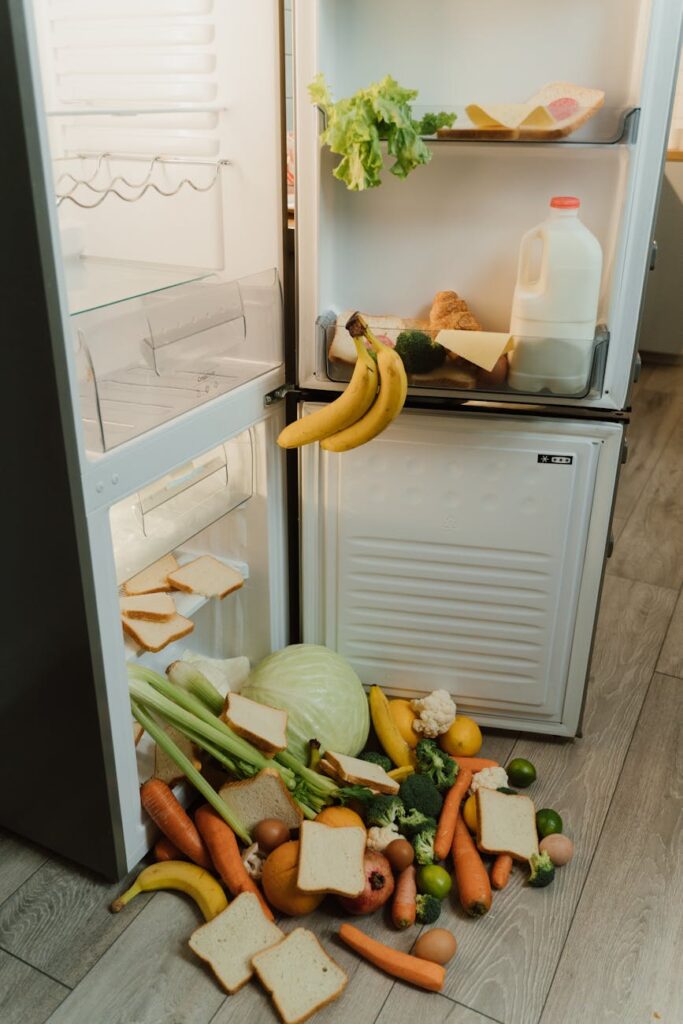
Mildew in Fridge Appliances Guide Part 1
Introduction
Mildew in your fridge can be a frustrating problem that not only affects the cleanliness of your appliance but can also compromise the freshness of your food. Understanding how mildew develops and how to effectively clean it can help you maintain a hygienic kitchen environment. This guide will walk you through the causes, solutions, and preventative measures to keep your fridge mildew-free.
What Causes Appliances?
Mildew thrives in damp, warm environments, making your fridge a potential breeding ground. Several factors contribute to this issue:
1. Humidity: High humidity levels can create moisture that encourages mildew growth.
2. Food Spills: Unattended spills can provide a rich food source for mildew.
3. Poor Ventilation: If air isn’t circulating properly within the fridge, damp areas can develop.
4. Faulty Seals: Worn or damaged door seals can allow warm air to enter, increasing humidity.
5. Neglected Cleaning: Infrequent cleaning can lead to a buildup of mold and mildew.
Why This Problem Happens
Mildew forms when conditions are right for mold spores to settle and grow. In a fridge, this usually happens due to:
- Moisture Accumulation: Condensation from warm items or humidity can lead to damp surfaces.
- Temperature Fluctuations: If your fridge isn’t maintaining a consistent temperature, moisture can condense inside.
- Food Storage Practices: Storing food improperly or leaving items unsealed can lead to spills and dampness.
- Remove all food items, checking for any spoiled or expired items.
- Store perishable items in a cooler to keep them fresh during cleaning.
- Mix equal parts of water and white vinegar or use a mild bleach solution (1 tablespoon of bleach in 1 gallon of water).
- Pour the solution into a spray bottle for easy application.
- Spray the mildew-affected areas, including shelves, walls, and door seals.
- Let the solution sit for 5-10 minutes to penetrate the mildew.
- Use a soft cloth or sponge to scrub the surfaces. For stubborn mildew, a soft-bristled brush can help.
- Pay extra attention to corners and crevices where mildew likes to hide.
- Wipe down the surfaces with a clean, damp cloth to remove any cleaning solution residue.
- Ensure that no moisture remains, as this can promote further growth.
- Use a dry cloth to wipe down all surfaces.
- Leave the fridge door open for a while to allow air circulation and complete drying.
- Replace your food items only after ensuring the fridge is completely dry and clean.
- Vinegar Solution: Vinegar is a natural disinfectant and can effectively kill mildew spores.
- Baking Soda Paste: Mix baking soda with water to form a paste. Apply it to affected areas and let it sit before scrubbing.
- Bleach Solution: Use sparingly, as overly strong solutions can damage surfaces. Rinse thoroughly after use.
- Essential Oils: Some essential oils, like tea tree or lavender, have antifungal properties. Add a few drops to your cleaning solution for added effectiveness.
- Ignoring Seals: Many homeowners forget to clean the door seals, where mildew can easily accumulate.
- Using Harsh Chemicals: Strong cleaners can damage plastic surfaces and create harmful residues.
- Not Cleaning Regularly: Establish a routine cleaning schedule to prevent mildew from becoming a recurring issue.
- Overfilling the Fridge: Overcrowding can obstruct airflow, creating damp conditions.
Understanding these factors will help you identify the root causes of mildew and take action to prevent its recurrence.
How to Fix Appliances (Step-by-Step)
If you discover mildew in your fridge, don’t panic. Follow these steps to effectively clean your appliance:
Step 1: Empty the Fridge
Step 2: Prepare a Cleaning Solution
Step 3: Spray the Affected Areas
Step 4: Scrub the Surfaces
Step 5: Rinse Thoroughly
Step 6: Dry Completely
Step 7: Return Food Items
Best Cleaning Methods
Here are some effective methods to tackle mildew in your fridge:
Common Mistakes to Avoid
To ensure effective cleaning and prevention, avoid these common mistakes:
Prevention Tips
Taking proactive measures can help keep your fridge mildew-free:
1. Maintain Consistent Temperature: Set your fridge temperature to 37°F (3°C) to inhibit mildew growth.
2. Keep Humidity Low: Use a dehumidifier in your kitchen if humidity levels are high.
3. Clean Spills Immediately: Promptly clean up any spills to prevent moisture accumulation.
4. Store Food Properly: Use airtight containers for leftovers and fruits to minimize spills and moisture.
5. Check Door Seals: Regularly inspect and replace worn seals to prevent humid air from entering.
6. Regular Cleaning: Schedule a thorough cleaning of your fridge every few months.
Frequently Asked Questions
1. How often should I clean my fridge?
Aim to clean your fridge every 3-4 months, or sooner if spills occur.
2. Can I use bleach to clean mildew in my fridge?
Yes, but use it sparingly and always rinse thoroughly to avoid damaging surfaces.
3. What should I do if mildew keeps returning?
Evaluate your fridge’s humidity levels, check the door seals, and improve ventilation.
4. Are there specific foods that promote mildew growth?
Yes, foods with high moisture content, like fruits and vegetables, can contribute to mildew if not stored properly.
5. How can I tell if my fridge is too humid?
Condensation on the inside walls or on food items is a sign of excessive humidity.
6. Is it safe to eat food stored in a fridge with mildew?
If the mildew is cleaned properly and the food is not contaminated, it should be safe. However, always use your best judgment.
By understanding how mildew forms and taking steps to clean and prevent it, you can keep your fridge fresh and hygienic. Stay tuned for Part 2, where we will delve deeper into advanced cleaning techniques and troubleshooting common fridge issues.