
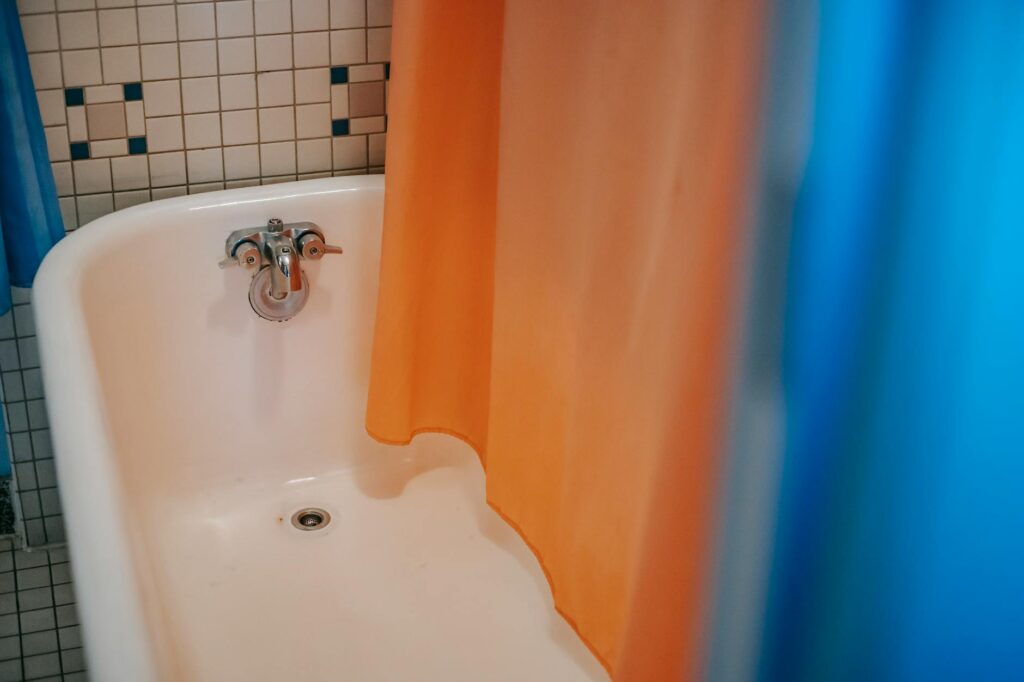
Mildew in Curtains Bathroom Guide Part 1
Introduction
Mildew in your bathroom curtains can be a frustrating problem for any homeowner. Not only does it create an unsightly appearance, but it can also lead to unpleasant odors and even potential health concerns. In this guide, we’ll explore the causes of mildew, why it happens, and provide you with effective solutions to clean and prevent future occurrences.
What Causes Mildew in Bathroom Curtains?
Mildew is a type of fungus that thrives in warm, damp environments—perfect conditions often found in bathrooms. Here are the primary factors contributing to mildew growth in bathroom curtains:
1. High Humidity: Bathrooms often have elevated moisture levels due to showers and baths.
2. Poor Ventilation: Inadequate airflow can trap moisture, creating an ideal environment for mold and mildew.
3. Material Type: Certain fabric materials are more susceptible to mildew than others.
4. Lack of Cleaning: Infrequent washing of curtains allows mildew spores to settle and grow.
Why This Problem Happens
Understanding why mildew develops in your bathroom curtains is essential for effective prevention and cleaning. Here are some key reasons:
- Condensation: When warm, humid air from hot showers meets cooler surfaces, condensation forms. This moisture can accumulate on curtain fabrics, making them prime candidates for mildew.
- Neglected Maintenance: Curtains often go unnoticed during cleaning routines. Dust and moisture can build up, promoting mildew growth.
- Fabric Type: Natural fabrics like cotton and linen are more prone to mildew compared to synthetic options such as polyester, which is often treated to resist mold.
- White vinegar
- Baking soda
- Mild detergent
- A scrub brush or sponge
- A washing machine (if curtains are machine washable)
- A bucket or sink for soaking
- Machine Wash: If your curtains are machine washable, place them in the washing machine with a mild detergent. Add one cup of baking soda to help eliminate odors.
- Hand Wash: For delicate fabrics, fill a bucket or sink with warm water and detergent. Immerse the curtains and gently scrub with a sponge.
- Neglecting Care Labels: Always check the care instructions on your curtains before cleaning.
- Using Hot Water: Hot water can set mildew stains; opt for warm or cold water.
- Not Drying Completely: Mildew thrives in moisture. Ensure curtains are completely dry before rehanging.
- Ignoring Ventilation: Failing to ventilate your bathroom can lead to recurring mildew issues.
How to Fix Mildew in Bathroom Curtains (Step-by-Step)
Cleaning mildew from your bathroom curtains doesn’t have to be a daunting task. Follow these steps to effectively remove mildew and restore your curtains.
Step 1: Gather Your Supplies
Before you start, make sure you have the following items on hand:
Step 2: Remove the Curtains
Carefully take down your bathroom curtains. Check the care label to ensure you follow washing instructions.
Step 3: Pre-Treat Mildew Stains
For stubborn mildew stains, create a mixture of equal parts white vinegar and water. Apply this solution to the affected areas. Let it sit for 15-30 minutes.
Step 4: Wash the Curtains
Step 5: Rinse Thoroughly
Make sure to rinse the curtains thoroughly to remove any detergent or vinegar residue, as this can attract more dirt.
Step 6: Dry Completely
Hang the curtains to dry completely. If possible, do this outdoors in direct sunlight, which can help kill any lingering spores.
Best Cleaning Methods
Here are some effective cleaning methods to deal with mildew in bathroom curtains:
1. Vinegar Solution
Vinegar is a natural disinfectant. Use it as a pre-treatment or add it to your wash cycle for mildew removal.
2. Baking Soda
Baking soda not only deodorizes but also helps to lift mildew stains. Use it in conjunction with vinegar or detergent for best results.
3. Bleach (Caution)
Bleach can be effective for white curtains but should be used with caution. Always dilute it and test on a small area first, as it can damage colored fabrics.
4. Commercial Mildew Removers
If home remedies aren’t cutting it, consider a commercial mildew remover. Read the label carefully to ensure it is safe for your curtain material.
Common Mistakes to Avoid
To ensure successful cleaning and prevention of mildew, avoid these common mistakes:
Prevention Tips
Preventing mildew from forming in the first place is the best strategy. Here are some practical tips:
1. Improve Ventilation: Use an exhaust fan during and after showers to reduce humidity. Open windows when possible.
2. Regular Cleaning: Clean curtains every few months, or more frequently if you notice moisture buildup.
3. Choose the Right Fabric: Opt for mildew-resistant synthetic fabrics when purchasing new curtains.
4. Use Shower Curtains: Consider using a shower liner that can be easily washed or replaced.
5. Wipe Down Surfaces: After bathing, wipe down wet surfaces, including walls and curtains, to remove excess moisture.
Frequently Asked Questions
1. How often should I clean my bathroom curtains?
Aim to clean your bathroom curtains every three to six months, or more frequently if you notice mildew.
2. Can I use regular laundry detergent to clean mildew?
Yes, a mild laundry detergent is effective. For added mildew-fighting power, mix it with vinegar or baking soda.
3. Is it safe to use bleach on colored curtains?
No, bleach can damage colored fabrics. Always test a small area first and use diluted bleach on whites only.
4. What should I do if my curtains are not machine washable?
Hand wash them in a tub or sink with warm water and detergent. Use a scrub brush for any visible mildew.
5. How can I tell if my curtains are mildew resistant?
Check the product label or description when purchasing. Many synthetic fabrics are labeled as mildew resistant.
6. Do I need to replace my curtains if they are heavily mildewed?
Not necessarily. Most curtains can be cleaned effectively. If stains persist or the fabric is damaged, replacement may be necessary.
By following the steps and tips outlined in this guide, you can effectively combat mildew in your bathroom curtains and maintain a clean, healthy environment in your home. Stay tuned for Part 2, where we will delve deeper into advanced prevention techniques and maintenance tips!