
Mildew in Closet Stains Guide Part 2
Introduction
Mildew in your closet can be a frustrating problem that leads to unsightly stains and unpleasant odors. These stains not only damage your clothing and belongings but can also create an unhealthy environment in your home. Understanding how to effectively address and prevent mildew stains is key to maintaining a clean and fresh closet. In this guide, we will explore the causes of mildew stains, effective cleaning methods, and prevention tips to keep your closet mildew-free.
What Causes Stains?
Mildew stains in closets typically arise from a combination of moisture and poor ventilation. Here are the primary culprits:
- Humidity: High humidity levels can create a perfect breeding ground for mildew.
- Inadequate Ventilation: Closets often lack airflow, making them prone to dampness.
- Wet Clothing: Storing damp or wet items can lead to mildew growth.
- Temperature Fluctuations: Changes in temperature can cause condensation, contributing to moisture build-up.
- White vinegar
- Baking soda
- Mild detergent
- Spray bottle
- Soft brush or cloth
- Gloves and mask (optional, for protection)
- Bucket of warm water
- Ignoring the Source: Failing to address the underlying moisture issue can lead to recurring mildew growth.
- Using Bleach: While bleach can kill mildew, it can also damage fabrics and surfaces and may not effectively remove stains.
- Not Testing First: Always test cleaning solutions on a small, inconspicuous area before applying them widely.
- Skipping Drying: Leaving surfaces damp after cleaning can encourage mildew to return.
- Control Humidity: Use a dehumidifier or moisture absorbers to maintain low humidity levels.
- Improve Ventilation: Keep closet doors open when possible and consider installing vents or using a fan.
- Store Items Properly: Ensure all clothing is completely dry before storing and avoid overcrowding your closet.
- Use Cedar or Lavender: Natural repellents like cedar blocks or lavender sachets can help ward off mildew.
- Regular Cleaning: Schedule regular cleanings of your closet to keep it fresh and mildew-free.
Understanding these factors is essential for tackling and preventing mildew stains.
Why This Problem Happens
Mildew thrives in dark, warm, and humid environments, making closets an ideal location. When moisture builds up, spores can settle on various surfaces, including fabric, wood, and walls. Over time, these spores multiply, leading to visible stains and an unpleasant smell.
Additionally, when mildew is left untreated, it can penetrate deeper into materials, making stains more stubborn and difficult to remove. The longer the mildew is allowed to linger, the more damage it can cause to your belongings.
How to Fix Stains (Step-by-Step)
Removing mildew stains requires a systematic approach. Follow these steps to effectively clean your closet:
Step 1: Gather Your Supplies
Before you begin, gather the following cleaning supplies:
Step 2: Remove Affected Items
Take out all clothing, shoes, and accessories from the closet. Inspect each item for mildew stains. If any items are heavily affected, consider washing them separately.
Step 3: Clean Surfaces
1. Prepare a Cleaning Solution: Mix equal parts white vinegar and water in a spray bottle. Alternatively, you can make a paste using baking soda and water.
2. Apply the Solution: Spray the affected areas, including shelves and walls, with the vinegar solution or apply the baking soda paste directly onto the stains.
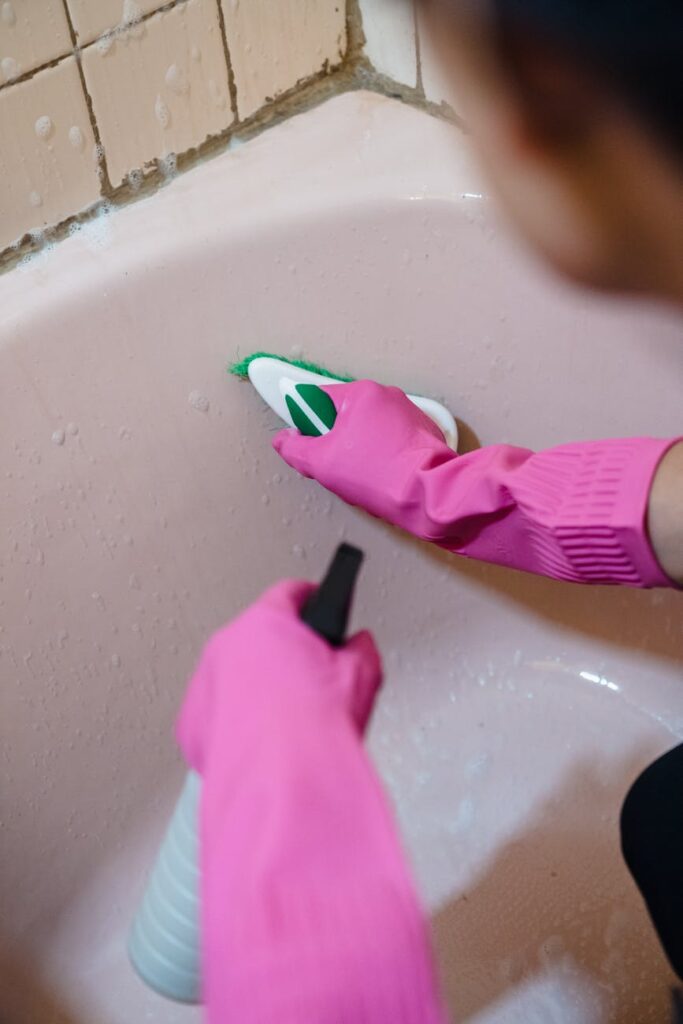
3. Scrub: Use a soft brush or cloth to gently scrub the stained areas. Be careful not to damage surfaces while scrubbing.
4. Rinse and Dry: Wipe down the surfaces with a clean damp cloth to remove any residue, then dry thoroughly with a towel or allow to air dry.
Step 4: Launder Affected Clothing
For clothing items with mildew stains:
1. Pre-treat Stains: Apply a small amount of mild detergent directly to the stain and let it sit for about 10-15 minutes.
2. Wash: Launder the items in the hottest water safe for the fabric, adding a cup of white vinegar to the wash cycle to help eliminate odors.
3. Dry: Dry the clothing in direct sunlight if possible, as UV rays can help kill any remaining spores.
Best Cleaning Methods
Here are some of the most effective cleaning methods for tackling mildew stains:
1. Vinegar Solution
White vinegar is a natural disinfectant that can effectively kill mildew. Its acidity helps break down the stains.
2. Baking Soda Paste
Baking soda is a mild abrasive that can help scrub away stains. It also absorbs odors, leaving your closet smelling fresh.
3. Commercial Mildew Cleaners
For severe mildew issues, consider using a commercial mildew cleaner. Always follow the manufacturer’s instructions and test a small area first.
4. Hydrogen Peroxide
For tough stains, a mixture of hydrogen peroxide and water can be effective. Apply it using a spray bottle, let it sit for a few minutes, then scrub and rinse.
Common Mistakes to Avoid
When dealing with mildew stains, be mindful of these common errors:
Prevention Tips
Preventing mildew in your closet is far easier than dealing with stains afterward. Here are some practical tips:
Frequently Asked Questions
1. How do I know if I have mildew in my closet?
Signs of mildew include dark, often fuzzy stains, a musty odor, and dampness in the area.
2. Can I remove mildew stains from all fabrics?
Most fabrics can be treated for mildew stains, but always check the care label first. Some delicate fabrics may require special care.
3. Is it safe to use bleach for mildew stains?
While bleach can kill mildew, it is not always safe for fabrics and can damage certain surfaces. It’s often better to use vinegar or baking soda.
4. How can I deodorize my closet after removing mildew?
After cleaning, place an open box of baking soda or activated charcoal in the closet to absorb odors.
5. What should I do if the mildew keeps returning?
If mildew returns, investigate and address the moisture source, such as leaks or high humidity levels.
6. How often should I check my closet for mildew?
Inspect your closet at least once a month, especially during humid seasons, to catch any potential issues early.
By following these guidelines and tips, you can effectively tackle mildew stains in your closet and prevent future occurrences. Maintaining a clean and dry environment will not only protect your belongings but also enhance the overall air quality in your home.