
Mildew in Closet: Mould & Damp Guide Part 2
Introduction
Mildew in your closet can be a frustrating issue, leading to unpleasant odors, damaged clothing, and an overall damp atmosphere. Understanding how to tackle mould and damp effectively is crucial for maintaining a clean and healthy home. This guide will provide you with practical steps to identify, fix, and prevent mildew in your closet.
What Causes Mould & Damp?
Mould and damp typically thrive in environments that are warm, humid, and poorly ventilated. The primary causes include:
- High Humidity: Moisture in the air can settle in closed spaces like closets, creating a perfect breeding ground for mildew.
- Poor Ventilation: Closets often lack airflow, trapping moisture inside.
- Water Leaks: Plumbing issues or leaks from adjacent walls can introduce water into the closet.
- Condensation: Temperature fluctuations can cause condensation on walls and surfaces, contributing to dampness.
- Seasonal Changes: Humidity levels rise during certain seasons, increasing the risk of mould growth.
- Clothing Storage: Storing damp or wet clothes can lead to mildew formation.
- Insufficient Cleaning: Neglecting regular cleaning can allow mildew spores to settle and flourish.
- Dark spots on surfaces
- A musty odor
- Peeling paint or wallpaper
- Protective gear (gloves and mask)
- Scrub brush or sponge
- Spray bottle
- White vinegar or a commercial mould remover
- Baking soda
- A fan or dehumidifier
- Use a dehumidifier to maintain humidity levels below 60%.
- Leave the closet door open occasionally to encourage airflow.
- Ventilation: Keep closet doors open periodically to improve airflow.
- Humidity Control: Use a dehumidifier or moisture-absorbing products like silica gel packets.
- Regular Cleaning: Clean your closet regularly and inspect for signs of dampness.
- Proper Storage: Store clothes in breathable garment bags and avoid plastic containers that trap moisture.
Why This Problem Happens
Mould and damp issues often stem from a combination of environmental factors and lifestyle habits. For instance:
Understanding these factors can help homeowners take proactive measures to combat mildew.
How to Fix Mould & Damp (Step-by-Step)
Step 1: Assess the Damage
Inspect your closet for visible signs of mould, dampness, or water damage. Look for:
Step 2: Gather Your Supplies
You’ll need:
Step 3: Remove Affected Items
Take all clothing and items out of the closet. Check each item for signs of mildew. Wash any affected clothing according to care instructions, using hot water and vinegar for extra cleaning power.
Step 4: Clean Surfaces
1. Prepare Cleaning Solution: Mix equal parts water and white vinegar in a spray bottle. Alternatively, use a commercial mould remover.
2. Spray Affected Areas: Generously spray the areas with visible mould or dampness.
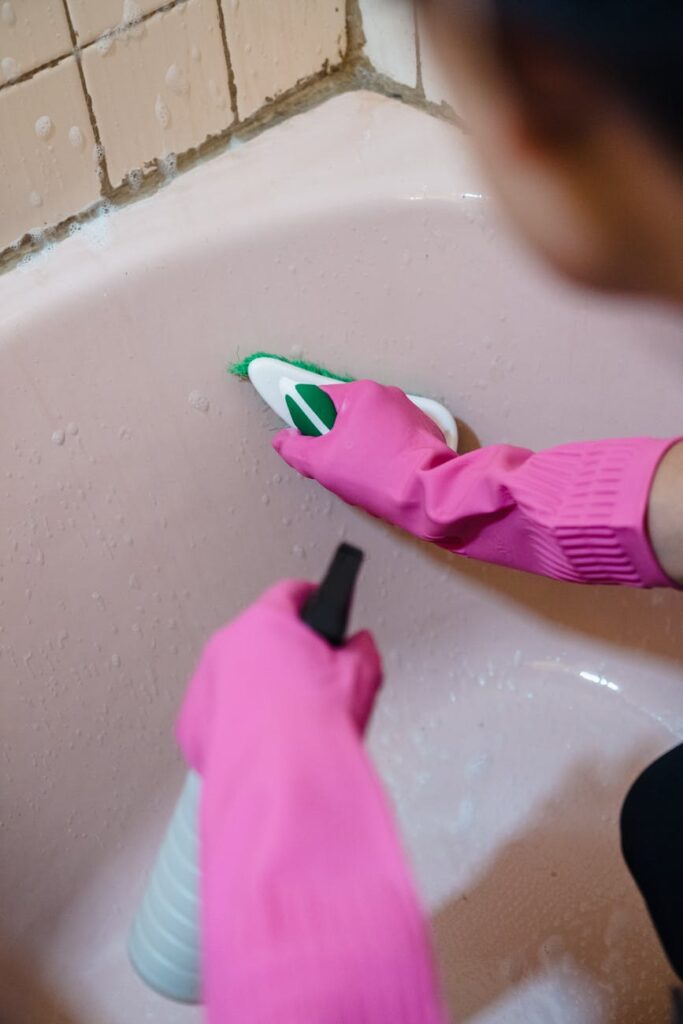
3. Scrub: Use a scrub brush or sponge to remove the mould. Be thorough, but avoid damaging surfaces.
4. Rinse and Dry: Wipe the area with a clean cloth and allow it to dry completely.
Step 5: Control Humidity
Step 6: Monitor
Keep an eye on the area for a few weeks. If mould reappears, you may need to repeat the cleaning process and check for underlying issues.
Best Cleaning Methods
Vinegar
White vinegar is a natural and effective mould remover. It kills about 82% of mould species and is safe for most surfaces. Spray it on the affected area, let it sit for an hour, and then scrub.
Baking Soda
Baking soda can absorb moisture and deodorize your closet. Mix it with water to create a paste, apply to mouldy areas, and scrub after letting it sit for a few hours.
Commercial Mould Removers
For severe cases, commercial mould removers may be necessary. Always follow the manufacturer’s instructions and use in well-ventilated areas.
Common Mistakes to Avoid
1. Ignoring the Problem: Address mould and damp issues immediately to prevent further damage.
2. Using the Wrong Cleaning Products: Avoid bleach, which can worsen the problem by providing moisture and damaging fabrics.
3. Not Drying Properly: Ensure all surfaces are completely dry after cleaning to prevent mould from returning.
4. Storing Damp Items: Always ensure clothing and items are dry before storing them in your closet.
Prevention Tips
Frequently Asked Questions
1. How can I tell if my closet has mould?
Look for dark spots, a musty smell, or peeling paint. If you notice these signs, it’s time to take action.
2. Can I use bleach to clean mould?
It’s not recommended. Bleach can worsen mould problems by adding moisture and damaging fabric.
3. How can I prevent mould in my closet?
Ensure proper ventilation, control humidity, and regularly clean the area to prevent mould growth.
4. Is mould dangerous?
While not all moulds are harmful, some can cause allergic reactions or respiratory issues. It’s best to address mould problems promptly.
5. Can I use essential oils to combat mould?
Some essential oils, like tea tree oil, can help deter mould when mixed with water. However, they should not be relied upon as the sole solution.
6. When should I call a professional?
If mould covers a large area (more than 10 square feet) or persists despite your cleaning efforts, it’s advisable to consult a professional.
By following these guidelines, you can effectively tackle mould and damp issues in your closet. Regular maintenance and preventive measures will help keep your storage spaces clean and fresh.