
Mildew in Closet Cleaning Guide Part 2
Introduction
Mildew in closets is a common yet frustrating problem for homeowners. Not only does it create an unpleasant smell, but it can also damage your clothes and belongings. In this guide, we will explore what causes mildew, why it occurs, how to effectively clean it, and how to prevent it from returning.
What Causes Mildew?
Mildew is a type of fungus that thrives in warm, damp environments. The primary factors contributing to mildew growth include:
- High Humidity Levels: Closets, especially those without proper ventilation, can trap moisture.
- Poor Air Circulation: Lack of airflow can create stagnant air, which is ideal for mildew.
- Wet or Damp Clothing: Storing wet or damp clothes can introduce moisture into your closet.
- Condensation: Temperature changes can cause condensation on closet walls, further increasing humidity.
- Remove all items, including clothes, shoes, and storage boxes.
- Inspect items for signs of mildew. If any are heavily soiled, consider discarding them or washing them separately.
- Open windows and doors to improve airflow.
- If possible, use a fan to circulate air in the closet.
- Prepare a Cleaning Solution: Mix one cup of white vinegar with one cup of water in a spray bottle. Alternatively, you can use a solution of one cup of bleach mixed with one gallon of water.
- Spray Affected Areas: Apply the solution on shelves, walls, and floors where mildew is present. Allow it to sit for at least 10-15 minutes to kill the spores.
- Use a scrub brush or sponge to gently scrub the affected areas. Be thorough but gentle, especially on painted surfaces.
- Wipe down surfaces with a clean, damp cloth to remove any residue from the cleaning solution.
- Use a dry cloth to thoroughly dry all surfaces. If possible, leave the closet doors open to air dry completely.
- Before putting items back, ensure they are dry and mildew-free. Optionally, consider using a fabric-safe mildew remover for clothing.
- Store items in breathable containers to prevent moisture build-up.
- Vinegar: A natural and effective way to kill mildew spores without harsh chemicals.
- Bleach: Highly effective for severe mildew issues but should be used cautiously as it can damage fabrics and surfaces.
- Baking Soda: This can be an excellent option for odor removal and light mildew stains. Mix with water to create a paste.
- Not Ventilating Properly: Skipping ventilation can cause spores to spread.
- Using Too Much Water: Excess moisture can exacerbate the problem rather than solve it.
- Ignoring the Source of Moisture: If humidity is a recurring issue, addressing the root cause is crucial.
- Not Allowing Surfaces to Dry: Mold and mildew thrive in moisture; ensure everything is dry before closing the closet.
- Control Humidity Levels: Use a dehumidifier in areas with high humidity.
- Improve Airflow: Install small vents or leave the closet door slightly ajar to promote circulation.
- Avoid Storing Damp Items: Always dry clothes and towels completely before placing them in the closet.
- Use Moisture Absorbers: Consider silica gel packets or activated charcoal bags to absorb excess moisture.
- Regularly Clean and Inspect: Schedule periodic checks and cleanings to catch any mildew early.
Why This Problem Happens
Mildew grows where conditions are just right—moisture, warmth, and a food source (like fabric or wood). Closets often lack light and airflow, making them perfect breeding grounds for mildew spores. When you add in damp items, such as towels or clothes, the risk escalates. Additionally, if your home has high humidity due to environmental factors or poor insulation, your closets are even more susceptible.
How to Fix Mildew (Step-by-Step)
Cleaning mildew from your closet requires a systematic approach. Follow these steps:
Step 1: Empty the Closet
Step 2: Ventilate the Area
Step 3: Clean Surfaces
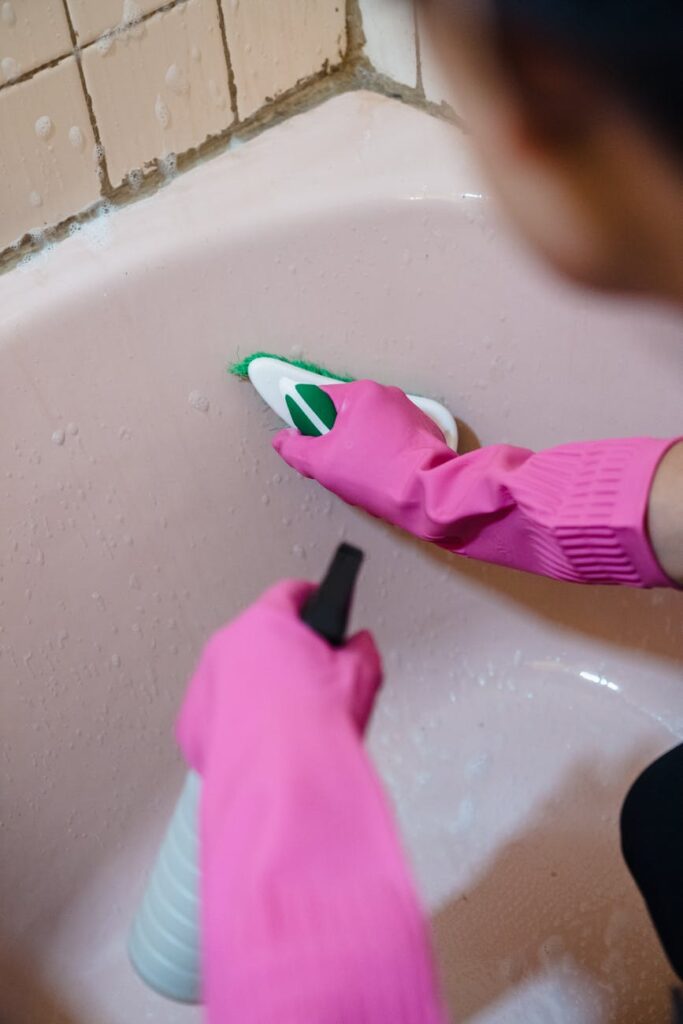
Step 4: Scrub Away Mildew
Step 5: Rinse and Dry
Step 6: Return Items Safely
Best Cleaning Methods
When tackling mildew, certain methods are more effective than others. Here are the best options:
Common Mistakes to Avoid
Avoid these pitfalls to ensure effective cleaning:
Prevention Tips
Preventing mildew requires ongoing efforts. Here are some tips to keep your closet mildew-free:
Frequently Asked Questions
1. How can I tell if I have mildew or mold?
Mildew typically appears as a white or gray powdery substance, while mold is often darker and can appear fuzzy. If you notice a strong musty smell, it may indicate either.
2. Is vinegar safe to use on all surfaces?
Vinegar is safe for most surfaces but can damage natural stone, so always do a patch test first.
3. Can I use essential oils to prevent mildew?
Yes, certain essential oils like tea tree oil and lavender have antifungal properties and can help deter mildew. Mix a few drops with water and spray in your closet.
4. How often should I check my closet for mildew?
It’s best to inspect your closet every few months, especially during humid seasons, to catch any problems early.
5. Can I wash clothes with mildew in the washing machine?
Yes, but it’s essential to treat the mildew stains first. Use a specialized mildew cleaner or a mixture of vinegar and water before washing.
6. What should I do if the mildew returns?
If mildew keeps returning, investigate the root causes. Address humidity levels, improve ventilation, and ensure items are always dry before storing.
By following this detailed guide, you can conquer mildew in your closet and maintain a clean, fresh environment for your belongings. Regular maintenance and mindful storage practices will go a long way in preventing future issues.