
Mildew in Closet Bathroom Guide Part 2
Introduction
Mildew in bathroom closets is a common problem that many homeowners face. It thrives in damp, dark environments, making bathrooms an ideal breeding ground. Not only is mildew unsightly, but it can also lead to unpleasant odors and potential health issues. In this guide, we will explore the causes of mildew, how to effectively remove it, and best practices for prevention.
What Causes Bathroom Mildew?
Mildew is a type of fungus that grows in warm, humid conditions. In bathrooms, several factors contribute to its growth:
1. Humidity: Bathrooms often retain moisture from showers and baths.
2. Poor Ventilation: Lack of airflow allows moisture to linger.
3. Damp Items: Wet towels, bath mats, and sponges can contribute to mildew growth.
4. Dark Spaces: Closets without adequate lighting can create perfect conditions for mildew.
Why This Problem Happens
Understanding why mildew forms can help you tackle the issue effectively. The primary reasons include:
- Condensation: When warm air meets cooler surfaces, condensation occurs, creating wet conditions.
- Infrequent Cleaning: Neglecting to clean your closet and bathroom regularly allows mildew to establish itself.
- Temperature Fluctuations: Variations in temperature can encourage mildew growth, especially if the area remains damp.
- Clutter: Overstuffed closets can trap moisture and air, creating stagnant conditions.
- Protective gloves
- Mask (to avoid inhaling spores)
- Bucket
- Scrub brush or sponge
- Cleaning solution (vinegar, baking soda, or commercial mildew cleaner)
- Spray bottle
- Rags or paper towels
- Not Ventilating: Failing to ventilate during cleaning can spread spores.
- Ignoring Dark Corners: Mildew often hides in out-of-sight areas. Be thorough.
- Using the Wrong Cleaner: Some products may not be effective against mildew. Choose wisely.
- Returning Items Too Soon: Ensure the area is completely dry before placing items back to avoid re-infestation.
How to Fix Bathroom Mildew (Step-by-Step)
To eradicate mildew from your bathroom closet, follow these straightforward steps:
Step 1: Gather Supplies
You will need:
Step 2: Remove Items
Clear out all items from the closet to expose the affected areas. Check your towels, linens, and toiletries for any signs of mildew. Dispose of heavily infested items.
Step 3: Ventilate the Area
Open windows and doors to increase airflow. If possible, use a fan to help dry the area.
Step 4: Apply Cleaning Solution
Mix equal parts of water and vinegar in a spray bottle. Spray the affected areas generously. For tougher spots, sprinkle baking soda directly on the mildew before spraying the vinegar solution. Allow it to sit for 10-15 minutes.
Step 5: Scrub the Area
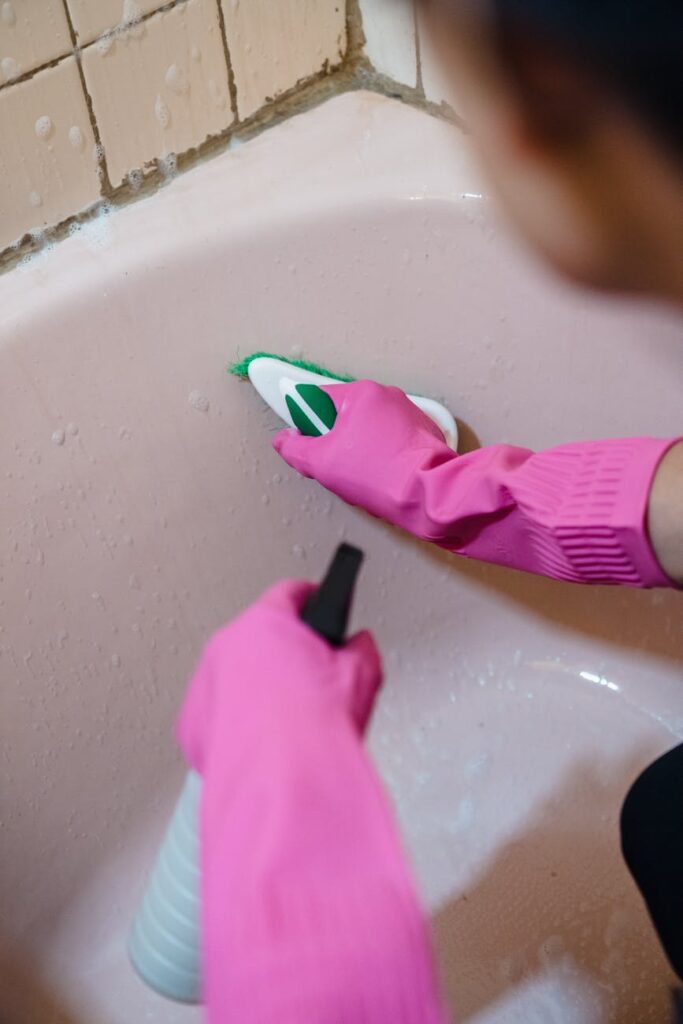
Using a scrub brush or sponge, scrub the affected surfaces. Pay attention to corners and hidden spots where mildew may hide.
Step 6: Rinse and Dry
Wipe down surfaces with a clean, damp cloth. Ensure all cleaning residue is removed. Dry the area thoroughly with a towel or let it air dry.
Step 7: Replace Items
After ensuring everything is dry, return your items to the closet. Consider using plastic bins for storage to prevent future moisture retention.
Best Cleaning Methods
Different cleaning methods can be effective against mildew. Here are some of the best options:
1. Vinegar: A natural disinfectant that kills mildew spores. It’s safe and non-toxic.
2. Baking Soda: Acts as a gentle abrasive and deodorizer. It can be used with vinegar for added effectiveness.
3. Hydrogen Peroxide: A strong mildew killer, effective for stubborn stains. Use a 3% solution and allow it to sit for 10 minutes before scrubbing.
4. Commercial Cleaners: Look for mildew-specific products. Follow the manufacturer’s instructions for safe use.
Common Mistakes to Avoid
Avoid these pitfalls to ensure effective cleaning:
Prevention Tips
Preventing mildew is easier than dealing with it after it forms. Here are some simple strategies:
1. Improve Ventilation: Install an exhaust fan or keep a window open during and after showers.
2. Use a Dehumidifier: This helps reduce humidity levels in your bathroom.
3. Regular Cleaning: Clean your bathroom and closet weekly to deter mildew growth.
4. Store Items Properly: Keep towels and linens dry and use breathable storage options.
5. Check for Leaks: Regularly inspect plumbing for leaks that may contribute to moisture accumulation.
6. Use Mildew-Resistant Products: Consider mildew-resistant paints and materials for your bathroom.
Frequently Asked Questions
1. How often should I clean for mildew prevention?
Aim to clean your bathroom and closet at least once a week. Regular cleaning helps deter mildew buildup.
2. Can I use bleach to remove mildew?
While bleach can kill mildew, it may not be the best option for porous surfaces. It can also discolor items. Vinegar or hydrogen peroxide is often safer.
3. What if mildew keeps coming back?
If mildew recurs frequently, it may indicate underlying issues such as poor ventilation or plumbing leaks. Address these problems before attempting further cleaning.
4. Are there any natural remedies for mildew?
Yes, vinegar, baking soda, and tea tree oil are effective natural remedies. Vinegar is particularly effective due to its acidity.
5. How do I know if my cleaning is effective?
After cleaning, the area should smell fresh and appear visibly clear of stains. If you still see discoloration or smell mildew, additional cleaning may be necessary.
6. Can mildew affect my health?
While mildew itself is not typically harmful, it can trigger allergies or respiratory issues in sensitive individuals. It’s best to address any mildew problems promptly.
By following this guide, you can effectively tackle mildew in your bathroom closet, ensuring a clean and healthy environment for you and your family. Regular maintenance and preventive measures will go a long way in keeping mildew at bay.