
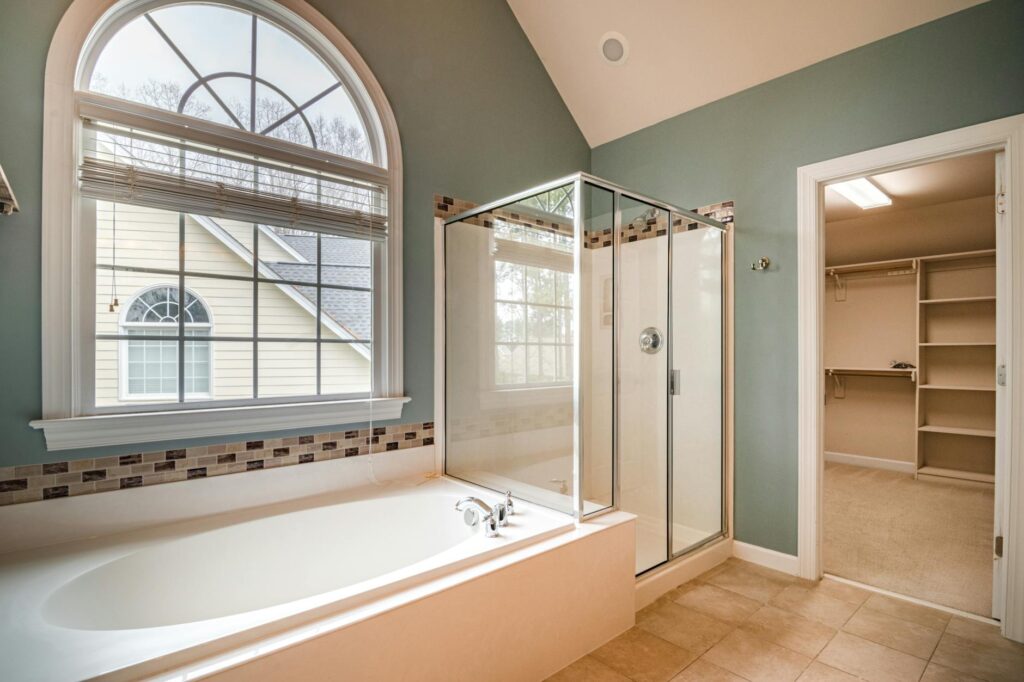
Mildew in Closet Bathroom Guide Part 1
Introduction
Mildew in your bathroom closet can be a frustrating issue. It not only looks unsightly but can also contribute to unpleasant odors and potential damage to your belongings. In this guide, we’ll explore the causes of mildew, why it thrives in your bathroom, and provide actionable steps to eliminate it. You’ll also find effective cleaning methods, tips to avoid common mistakes, and preventive measures to keep your bathroom closet mildew-free.
What Causes Bathroom Mildew?
Mildew thrives in damp, warm environments, making bathrooms a prime location. Here are the main factors contributing to mildew growth:
1. High Humidity: Bathrooms naturally have high humidity levels due to showers and baths.
2. Poor Ventilation: Inadequate airflow can trap moisture, creating an ideal environment for mildew.
3. Leaky Pipes: Any leaks in plumbing can add extra moisture.
4. Lack of Cleaning: Dust and dirt can hold moisture, promoting mildew growth.
Why This Problem Happens
Mildew spores are ever-present in the air. When they land on a damp surface, they can begin to grow quickly. In a bathroom closet, items like towels, toiletries, and toiletries can retain moisture and become breeding grounds for mildew. If your bathroom closet is dark and poorly ventilated, it exacerbates the problem. Understanding these causes is the first step in effectively dealing with mildew.
How to Fix Bathroom Mildew (Step-by-Step)
Step 1: Gather Your Supplies
Before you begin, gather the necessary supplies:
- Rubber gloves
- Mask
- Bucket
- Scrub brushes or sponges
- White vinegar
- Baking soda
- Hydrogen peroxide
- Spray bottle
- Clean cloths or paper towels
- Vinegar Solution: Fill a spray bottle with white vinegar and spray the affected areas. Let it sit for at least 30 minutes.
- Baking Soda Paste: Mix baking soda with a small amount of water to create a paste. Apply it to the mildew and scrub gently.
- Hydrogen Peroxide: For persistent mildew, use a 3% hydrogen peroxide solution. Spray it directly on the mildew and let it sit for 10-15 minutes.
- White Vinegar Spray: This is an excellent natural cleaner that can kill most mildew spores.
- Baking Soda: Not only does it clean, but it also helps absorb odors.
- Hydrogen Peroxide: This is effective for stubborn mildew but should be used carefully due to its bleaching properties.
- Commercial Mildew Removers: If natural methods don’t work, consider using a commercial product designed for mildew removal.
Step 2: Clear the Closet
Remove all items from the bathroom closet. Check for any items that may be damaged or excessively moldy and dispose of them properly.
Step 3: Inspect for Damage
Examine the walls, shelves, and ceiling for signs of mildew. If you notice any leaks, address those first before proceeding with cleaning.
Step 4: Apply a Cleaning Solution
For effective mildew removal, choose one of the following solutions:
Step 5: Scrub the Affected Areas
Use a scrub brush or sponge to scrub the mildew off surfaces. Be thorough, paying attention to corners and crevices where mildew can hide.
Step 6: Rinse and Dry
After scrubbing, rinse the surfaces with clean water. Use a cloth or paper towels to dry the area thoroughly. This step is crucial, as lingering moisture can lead to mildew returning.
Step 7: Replace Items Carefully
As you replace items in the closet, ensure they are dry. Consider using containers to keep things organized and to prevent moisture buildup.
Best Cleaning Methods
Common Mistakes to Avoid
1. Ignoring the Source of Moisture: Always check for leaks or high humidity sources before cleaning.
2. Not Allowing Surfaces to Dry: Failing to dry surfaces after cleaning can lead to mildew returning more quickly.
3. Using Too Much Water: Excessive water during cleaning can add to the moisture problem.
4. Overlooking Ventilation: Neglecting to improve ventilation can lead to recurring mildew issues.
Prevention Tips
1. Improve Ventilation: Use exhaust fans or open windows during and after showers to reduce humidity levels.
2. Use Dehumidifiers: If your bathroom is particularly humid, consider using a dehumidifier.
3. Regular Cleaning: Clean your closet and bathroom regularly to prevent mildew buildup.
4. Store Items Properly: Avoid keeping damp towels or wet items in the closet; allow them to dry first.
5. Use Mildew-Resistant Products: Consider mildew-resistant paint and materials for your bathroom.
Frequently Asked Questions
1. How can I tell if I have mildew or mold?
Mildew typically appears as a flat, grayish or white growth, while mold is often more textured and can be black or green. Both thrive in damp areas.
2. How often should I clean my bathroom closet to prevent mildew?
Aim to clean your bathroom closet every month and inspect it regularly for any signs of moisture or mildew.
3. Can I use bleach to remove mildew?
Bleach can kill mildew, but it may not remove all spores and can discolor surfaces. It’s often better to use vinegar or hydrogen peroxide.
4. What if the mildew keeps returning?
If mildew keeps returning, check for hidden moisture sources, improve ventilation, and consider professional help if necessary.
5. Is it safe to mix cleaning products?
Never mix cleaning products, especially bleach and ammonia, as this can create toxic fumes.
6. Can I prevent mildew without using chemicals?
Yes, using natural solutions like vinegar and baking soda can effectively prevent and manage mildew without harsh chemicals.
By following these guidelines, you can effectively tackle the issue of mildew in your bathroom closet. Stay vigilant and proactive to ensure your bathroom remains a fresh and clean space.