
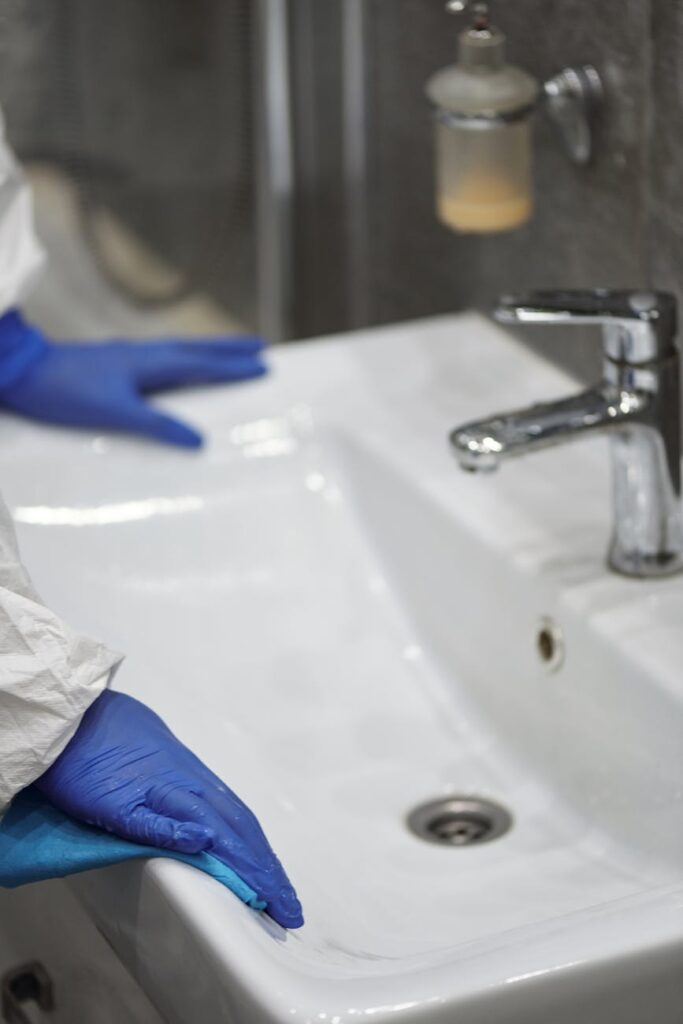
Mildew in Bathroom Stains Guide Part 1
Introduction
Mildew in the bathroom is a common problem that can lead to unsightly stains and unpleasant odors. Understanding how to deal with these stains effectively can help maintain a clean and healthy environment in your home. In this guide, we’ll explore the causes of mildew stains, how to fix them, and ways to prevent them from returning.
What Causes Stains?
Mildew stains are a result of mold and mildew growth, which thrive in damp environments. The primary factors contributing to these stains include:
- High Humidity: Bathrooms are often humid, especially after showers or baths.
- Poor Ventilation: Lack of airflow allows moisture to linger, promoting mildew growth.
- Organic Matter: Soap scum, hair, and other organic materials serve as food for mildew.
- Temperature Fluctuations: Warm, damp conditions are ideal for mildew to flourish.
- Rubber gloves
- Protective eyewear
- Scrub brush or sponge
- Bucket
- Spray bottle
- Cleaning solution (bleach, vinegar, or commercial mildew remover)
- Baking soda (optional)
Why This Problem Happens
Mildew stains occur when spores settle on a surface and begin to grow. The bathroom is an ideal setting for this due to the consistent moisture and warmth. Over time, these spores produce dark, blotchy stains that can be difficult to remove if left untreated.
Additionally, mildew can spread quickly, leading to larger areas of staining and potentially compromising your bathroom’s surfaces. Understanding these factors helps in both cleaning and preventing future occurrences.
How to Fix Stains (Step-by-Step)
Step 1: Gather Your Supplies
Before you begin, collect the following items:
Step 2: Prepare the Area
1. Ventilate the Bathroom: Open windows or turn on the exhaust fan to improve airflow.
2. Remove Items: Take any personal items out of the bathroom to avoid damage.
3. Wear Protective Gear: Put on gloves and eyewear to protect yourself from harsh chemicals.
Step 3: Apply Cleaning Solution
1. Choose Your Cleaner: For tough stains, a bleach solution (1 part bleach to 3 parts water) works effectively. For a natural alternative, use white vinegar.
2. Spray the Affected Areas: Generously apply your chosen cleaner to the stained surfaces, ensuring the area is well-saturated.
3. Let it Sit: Allow the cleaner to sit for at least 10-15 minutes to penetrate the mildew.
Step 4: Scrub the Stains
Using a scrub brush or sponge, scrub the stained area in a circular motion. Apply more cleaner as needed to ensure the stains lift effectively.
Step 5: Rinse Thoroughly
After scrubbing, rinse the area with warm water to remove any remaining cleaning solution. This step is crucial to prevent residue buildup.
Step 6: Dry the Area
Use a clean towel to dry the surface thoroughly. Reducing moisture is key to preventing mildew from returning.
Best Cleaning Methods
While several methods can tackle mildew stains, here are the most effective:
1. Bleach Solution: This is powerful against mildew but should be used carefully. Always ensure proper ventilation and never mix with ammonia.
2. Vinegar: A natural alternative, vinegar can kill up to 82% of mold species. Spray undiluted vinegar directly on the stains and scrub.
3. Baking Soda Paste: Mix baking soda with water to form a paste. Apply it to the stains, let it sit, then scrub and rinse. This method is less harsh and can be effective for minor stains.
4. Commercial Mildew Removers: These products are formulated specifically for mold and mildew. Always follow the manufacturer’s instructions for best results.
Common Mistakes to Avoid
1. Neglecting Ventilation: Failing to ventilate the bathroom can exacerbate mildew problems. Always ensure proper airflow.
2. Using Excessive Water: Over-saturating surfaces during cleaning can create more moisture, promoting further mildew growth.
3. Ignoring Stains: Allowing mildew stains to sit for extended periods makes them harder to remove. Address stains promptly.
4. Mixing Cleaning Agents: Combining bleach with other cleaners can create toxic fumes. Stick to one cleaner at a time.
5. Not Drying Surfaces: Failing to dry surfaces thoroughly after cleaning can lead to quick recurrence of mildew.
Prevention Tips
1. Improve Ventilation: Install an exhaust fan or keep a window open during and after showers to reduce humidity.
2. Regular Cleaning: Clean your bathroom weekly using a mildew-resistant cleaner to keep stains at bay.
3. Fix Leaks Promptly: Check for and repair any leaks in pipes or fixtures to prevent moisture buildup.
4. Use Mold-Resistant Products: Consider mold-resistant paint and materials for your bathroom to deter mildew growth.
5. Wipe Surfaces Dry: After showers, use a squeegee or towel to remove excess water from walls and fixtures.
6. Keep It Clutter-Free: Reduce the number of items in the bathroom that can trap moisture, such as towels and toiletries.
Frequently Asked Questions
1. How do I know if the stain is mildew?
Mildew stains are typically dark or black and have a musty odor. They often appear on damp surfaces like tiles, grout, and shower curtains.
2. Can I use vinegar and bleach together?
No, mixing vinegar and bleach creates toxic gases. Use one cleaner at a time for safety.
3. How often should I clean to prevent mildew?
Aim for weekly cleaning, especially in high-moisture areas. Regular maintenance helps prevent mold growth.
4. Are commercial cleaners safe for all surfaces?
Always check product labels for compatibility with your surfaces. Some cleaners can damage natural stone or certain finishes.
5. What if the stains persist after cleaning?
If stains remain, you may need to repeat the cleaning process or consider professional cleaning services for severe cases.
6. Can mildew cause health issues?
While this guide focuses on cleaning, it’s worth noting that prolonged exposure to mildew can lead to respiratory issues for some individuals. Keep your bathroom clean and dry to mitigate risks.
By following these steps and tips, you can effectively tackle mildew stains in your bathroom and prevent them from becoming a recurring issue. Remember, a clean bathroom is key to a healthy home!