
Mildew in Bathroom Odours Guide Part 2
Introduction
Mildew in the bathroom can create an unpleasant environment, not only visually but also in terms of odour. If you’ve noticed a musty smell lingering in your bathroom, it’s essential to tackle it promptly. This guide will provide you with practical solutions to eliminate mildew odours, along with tips for prevention and common mistakes to avoid.
What Causes Odours?
Mildew thrives in damp, warm environments, making bathrooms a prime target. The odours associated with mildew are caused by the growth of mold spores and bacteria. When these organisms break down organic materials, they release volatile organic compounds (VOCs) that produce that characteristic musty smell.
Common Sources of Odours:
1. Damp Towels and Rugs: Wet fabrics can trap moisture, allowing mildew to flourish.
2. Shower Curtains: Plastic or fabric curtains can accumulate moisture and become a breeding ground for mildew.
3. Grout and Caulk: Cracks or porous surfaces can harbor mildew.
4. Clogged Drains: Bacteria can accumulate in stagnant water.
Why This Problem Happens
Mildew odours develop in bathrooms primarily due to poor ventilation and high humidity levels. When moisture is not adequately removed or dried, mildew can take hold. Factors contributing to this issue include:
- Lack of Air Circulation: Closed doors and windows trap humidity.
- Infrequent Cleaning: Neglecting regular cleaning allows mildew to accumulate.
- Leaks: Water leaks from pipes or fixtures can create damp spots ideal for mildew growth.
- Inspect your bathroom for visible mildew on walls, ceilings, grout, and around fixtures.
- Check for damp towels, rugs, or shower curtains.
- White vinegar
- Baking soda
- Spray bottle
- Scrub brush or sponge
- Microfiber cloths
- Bleach (optional for tough mildew)
- Open windows or install an exhaust fan to reduce humidity after showers.
- Consider leaving the bathroom door open to encourage airflow.
Understanding these causes is the first step toward eliminating odours effectively.
How to Fix Odours (Step-by-Step)
Follow these actionable steps to eliminate mildew odours from your bathroom:
Step 1: Identify the Source
Step 2: Gather Your Supplies
You’ll need:
Step 3: Clean the Affected Areas
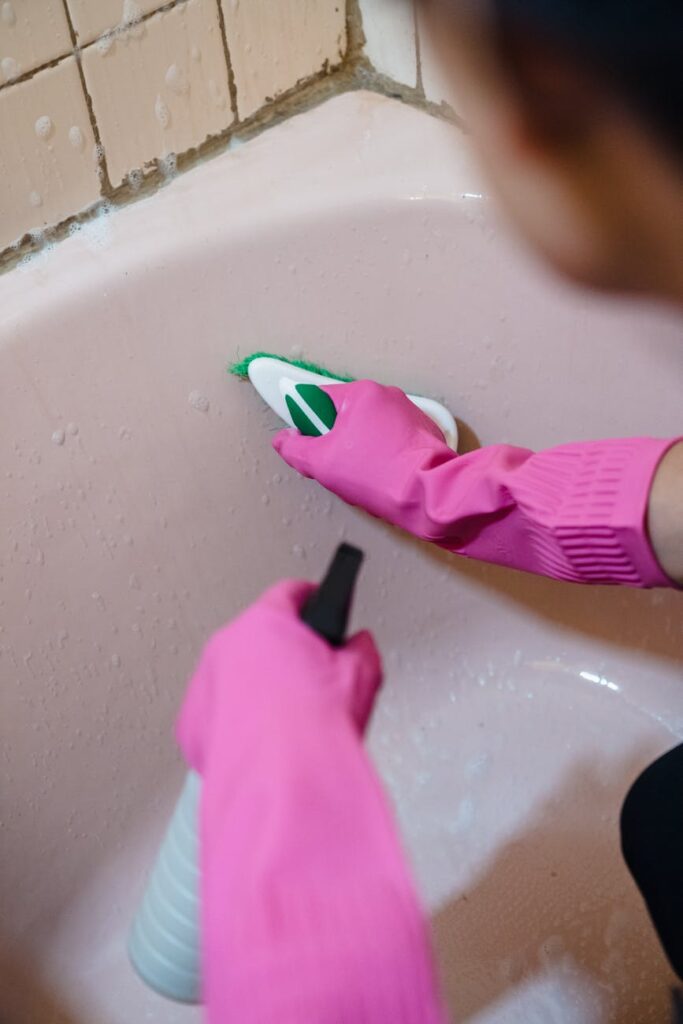
1. Vinegar Spray: Fill a spray bottle with white vinegar. Spray it generously on the affected areas, focusing on grout and caulk.
2. Let It Sit: Allow the vinegar to sit for 10-15 minutes to penetrate the mildew.
3. Scrub: Use a scrub brush or sponge to scrub the area thoroughly.
4. Rinse: Rinse with warm water and dry with a microfiber cloth.
Step 4: Deodorize
1. Baking Soda: Sprinkle baking soda on surfaces that have absorbed smells. Leave it for 15-20 minutes.
2. Vacuum Up: Vacuum or wipe away the baking soda.
Step 5: Improve Ventilation
Best Cleaning Methods
1. Vinegar and Baking Soda
A combination of vinegar and baking soda is effective for cleaning and deodorizing. The natural acidity of vinegar breaks down mildew while baking soda absorbs odours.
2. Hydrogen Peroxide
For tougher mildew, use a solution of hydrogen peroxide. Apply it to the affected area, let it sit for 10 minutes, then scrub and rinse.
3. Bleach Solution
If mildew persists, mix one part bleach to ten parts water. Apply it using gloves, scrub the area, and rinse thoroughly. This method is effective but should be used sparingly due to potential damage to surfaces and health risks.
Common Mistakes to Avoid
1. Ignoring Grout and Caulk: These areas are often overlooked but can hold significant mildew.
2. Using Too Much Cleaner: Excessive product can leave residues that attract more dirt and mildew.
3. Not Allowing Enough Drying Time: After cleaning, ensure surfaces dry completely to prevent mildew from returning.
4. Neglecting Regular Maintenance: Infrequent cleaning can lead to a buildup of mildew and odours.
Prevention Tips
1. Ventilation: Always use an exhaust fan or open a window during and after showers.
2. Regular Cleaning: Schedule regular cleaning sessions to prevent mildew buildup.
3. Dry Towels and Rugs: Hang towels and rugs to dry completely after use.
4. Seal Grout and Caulk: Regularly check and reseal grout and caulk to prevent moisture penetration.
5. Use Mold-Resistant Products: Consider using mold-resistant paint and materials in your bathroom.
Frequently Asked Questions
1. How often should I clean my bathroom to prevent mildew?
Aim for a deep clean at least once a week, with quick wipe-downs after each use.
2. Can I use essential oils to mask mildew odours?
While essential oils can offer temporary relief, they won’t eliminate the source of mildew. Cleaning is essential.
3. Is it necessary to use bleach?
Bleach is effective for tough mildew, but consider less harsh alternatives like vinegar and baking soda first.
4. What if the odour persists after cleaning?
Check for hidden sources of moisture or mildew. You may need to inspect plumbing or ventilation systems.
5. Can I prevent mildew with air fresheners?
Air fresheners can mask odours but won’t prevent mildew. Focus on cleaning and ventilation instead.
6. What should I do if I have a severe mildew infestation?
If you’re dealing with severe mildew, consider contacting a professional for safe and thorough removal.
By following this guide, you can effectively tackle mildew odours in your bathroom, ensuring a fresh and inviting space. Regular maintenance and preventive measures will help keep odours at bay for the long term.