
Mildew in Bathroom Odours Guide Part 1
Introduction
Mildew in the bathroom is more than just an eyesore; it often comes with unpleasant odours that can linger and make your home feel uninviting. Understanding how to tackle these odours is essential for maintaining a clean and fresh bathroom. In this guide, we will explore the causes of mildew-related smells, how to eliminate them, and tips for preventing them from returning.
What Causes Odours?
Mildew thrives in damp, warm environments, making bathrooms a prime breeding ground. The odours typically arise from:
- Moisture: High humidity levels encourage mildew growth.
- Organic Materials: Mildew feeds on organic matter such as soap scum, hair, and dead skin cells.
- Poor Ventilation: Lack of air circulation can cause moisture to linger, exacerbating mildew growth and associated smells.
- Inspect corners, behind the toilet, under the sink, and around the shower or tub.
- Look for black or green spots, which indicate mildew.
- Rubber gloves
- Mask
- Spray bottle
- Vinegar or baking soda
- A stiff brush or sponge
- Microfiber cloths
- Bucket of warm soapy water
- Place bowls of baking soda around the bathroom to absorb lingering odours.
- Use an air purifier if necessary, especially in poorly ventilated areas.
Understanding these factors is the first step toward addressing the problem effectively.
Why This Problem Happens
The bathroom is often a neglected area when it comes to regular cleaning. Here are some common reasons why mildew and its odours develop:
1. Infrequent Cleaning: Regular cleaning prevents buildup of soap scum and grime where mildew can thrive.
2. Poor Ventilation: Bathrooms that lack proper airflow trap humidity, creating a perfect environment for mildew.
3. Water Leaks: Hidden leaks can create damp spots, leading to mildew growth even if the visible surfaces appear clean.
4. Moisture Retention: Items like towels and bath mats can retain moisture if not dried properly.
By addressing these underlying issues, you can mitigate mildew and its unpleasant odours.
How to Fix Odours (Step-by-Step)
Eliminating mildew odours requires a systematic approach. Here’s a step-by-step guide:
Step 1: Identify Problem Areas
Step 2: Gather Your Supplies
You’ll need:
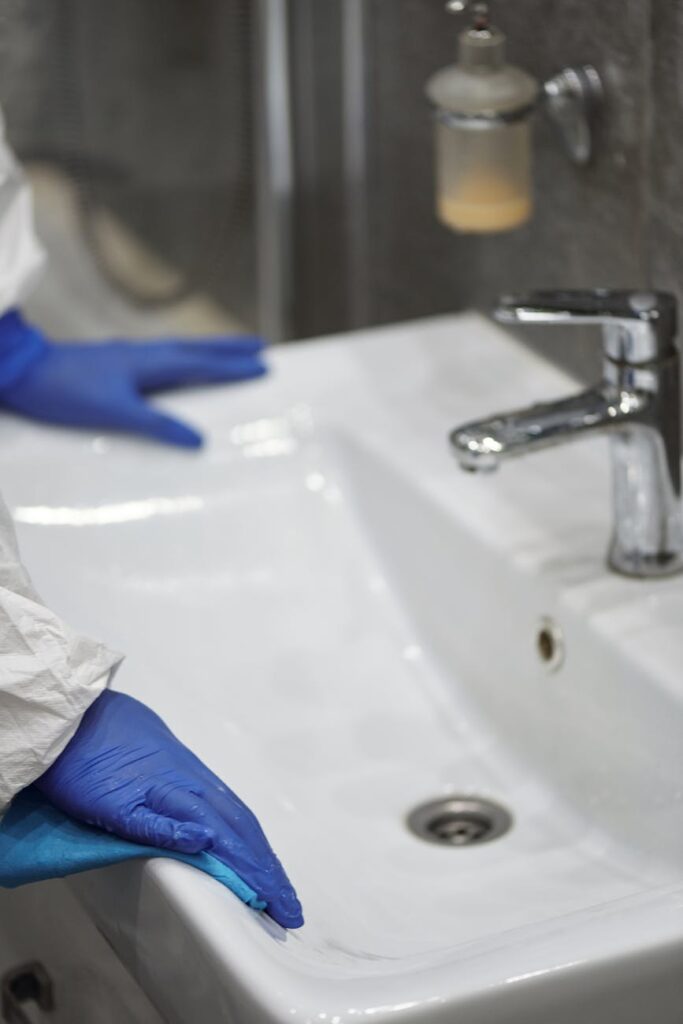
Step 3: Clean Surfaces
1. Spray Vinegar: Fill a spray bottle with white vinegar and spray affected areas.
2. Let It Sit: Allow the vinegar to sit for at least 30 minutes to break down mildew.
3. Scrub: Use a stiff brush or sponge to scrub the surfaces clean.
4. Rinse: Wipe down with warm soapy water and a microfiber cloth.
5. Dry: Ensure all areas are thoroughly dried to prevent future growth.
Step 4: Address the Air Quality
Best Cleaning Methods
Different cleaning methods can be effective against mildew odours:
1. Vinegar
Vinegar is a natural disinfectant and deodorizer. It’s effective against mildew and is safe for most surfaces.
2. Baking Soda
Baking soda neutralises odours. You can sprinkle it on surfaces or place it in a bowl to absorb smells.
3. Hydrogen Peroxide
Hydrogen peroxide can kill mildew spores. Mix equal parts with water in a spray bottle for targeted application.
4. Commercial Cleaners
If home remedies don’t work, consider using a commercial mildew cleaner. Always follow the instructions and ensure proper ventilation when using chemical cleaners.
Common Mistakes to Avoid
1. Neglecting Ventilation: Always use an exhaust fan or open a window while showering to reduce humidity.
2. Using Too Much Water: Avoid soaking surfaces; instead, lightly dampen them when cleaning.
3. Ignoring Hidden Areas: Mildew can grow in hidden spots like under sinks or behind toilets. Make sure to check these areas regularly.
4. Not Following Up: After cleaning, check back in a week to ensure mildew hasn’t returned.
Prevention Tips
Keeping mildew and its odours at bay requires a combination of regular maintenance and preventative measures:
1. Ventilate: Always use an exhaust fan or open windows during and after showers.
2. Regular Cleaning: Clean your bathroom at least once a week to remove soap scum and moisture.
3. Dry Wet Items: Hang towels and mats to dry after use.
4. Seal Grout: Seal bathroom grout annually to prevent moisture penetration.
5. Monitor Humidity: Keep humidity levels below 50% using a dehumidifier if necessary.
Frequently Asked Questions
1. How can I tell if I have mildew or mould?
Mildew is usually white or gray and appears as flat patches. Mould is often black or green and has a more fuzzy texture.
2. Can I use bleach to remove mildew?
While bleach can kill mildew, it can also damage surfaces and does not prevent future growth. Vinegar or hydrogen peroxide are safer alternatives.
3. How often should I clean my bathroom to prevent mildew?
Aim for a deep clean at least once a week, with quick wipe-downs after each use.
4. What should I do if the smell persists after cleaning?
If odours persist, inspect for hidden leaks and consider using an air purifier or consulting a professional.
5. Are there any natural remedies for mildew odours?
Yes, vinegar and baking soda are effective natural remedies for both cleaning and deodorising.
6. Can I prevent mildew by using air fresheners?
Air fresheners can mask odours but won’t eliminate mildew. It’s essential to address the underlying moisture problem first.
Conclusion
Eliminating and preventing mildew odours in the bathroom is manageable with the right approach. By understanding the causes, using effective cleaning methods, and taking preventive measures, you can maintain a fresh and inviting space. Stay vigilant with cleaning and ventilation to keep mildew at bay.