
Mildew in Bathroom: Mould & Damp Guide Part 2
Introduction
Mildew in the bathroom is a common nuisance that can lead to unsightly stains and unpleasant odors. Understanding how to tackle this problem effectively is essential for maintaining a clean and healthy home. In this guide, we will explore the causes of mould and damp, how to fix these issues, the best cleaning methods, common mistakes to avoid, and tips for preventing future problems.
What Causes Mould & Damp?
Mould and dampness thrive in environments that are warm and humid. Bathrooms, often poorly ventilated and frequently wet, create the perfect breeding ground for these unwanted guests. The main causes include:
1. High Humidity: Showers and baths increase moisture levels.
2. Poor Ventilation: Lack of airflow traps moist air.
3. Leaks: Plumbing leaks can introduce water behind walls and under floors.
4. Condensation: Warm air meets cold surfaces, leading to moisture buildup.
Why This Problem Happens
Understanding why mould and damp occur is essential for effective remediation. Here are some contributing factors:
- Temperature Fluctuations: Warm air rising from hot showers can condense on colder surfaces, like tiles and mirrors.
- Inadequate Airflow: Without windows or exhaust fans, moist air cannot escape.
- Neglected Maintenance: Regular cleaning and maintenance can prevent mould from taking hold.
- Organic Materials: Mould feeds on organic materials like wood, drywall, and even soap scum.
- Rubber gloves
- Face mask
- Scrub brush or sponge
- Bucket
- Mould removal solution (store-bought or homemade)
- Vinegar or baking soda (for natural options)
- Sealant (if needed)
- Shower walls and curtains
- Around sinks and faucets
- Underneath the toilet
- Ceiling, especially near exhaust fans
How to Fix Mould & Damp (Step-by-Step)
Addressing mould and damp requires a systematic approach. Follow these steps for effective remediation:
Step 1: Gather Your Supplies
Before you begin, gather the following:
Step 2: Identify Affected Areas
Inspect your bathroom for visible mould or dampness. Check:
Step 3: Prepare the Area
Ensure the bathroom is well-ventilated. Open windows or use a fan. Wear gloves and a mask to protect yourself from spores.
Step 4: Apply Cleaning Solution
For store-bought mould removers, follow the instructions on the label. For a homemade solution, mix equal parts vinegar and water in a spray bottle. Spray the affected areas generously.
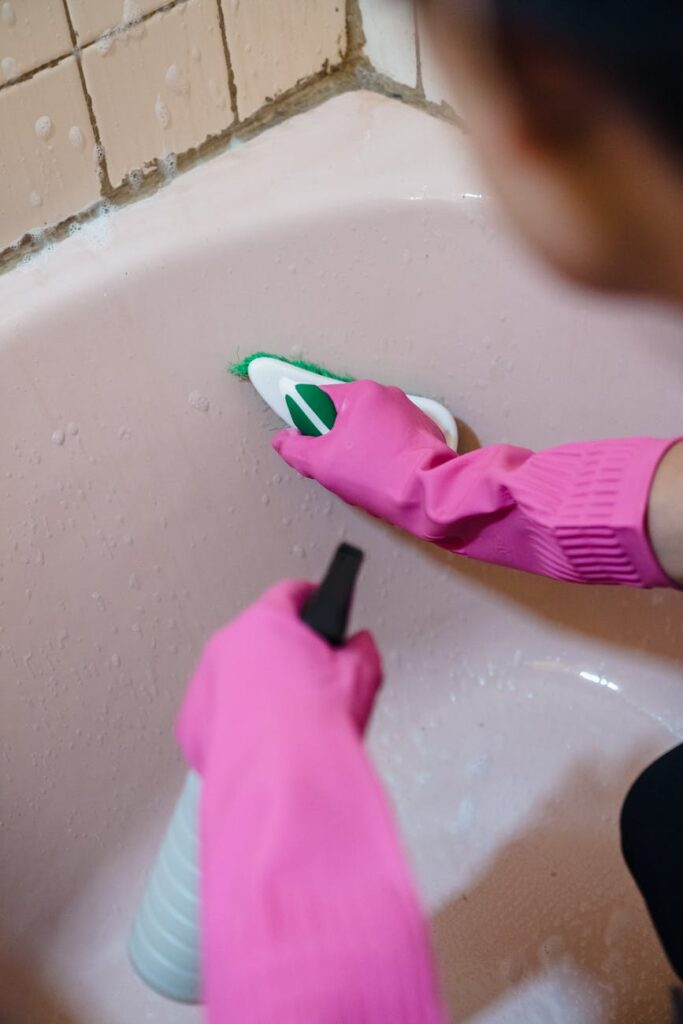
Step 5: Scrub the Affected Areas
Using a scrub brush or sponge, scrub the mouldy surfaces thoroughly. Pay attention to corners and crevices where mould tends to hide.
Step 6: Rinse and Dry
After scrubbing, rinse the area with clean water. Dry the surfaces completely with a clean towel to prevent further moisture buildup.
Step 7: Seal Any Leaks
If you find leaks, repair them immediately. Use caulk or sealant to close any gaps around fixtures or tiles.
Best Cleaning Methods
Different methods can be employed to tackle mould and damp effectively. Here are some of the best:
1. Vinegar Solution: A natural disinfectant that effectively kills mould. Use it undiluted for tougher spots.
2. Baking Soda: Create a paste with water for scrubbing. Baking soda absorbs moisture and eliminates odors.
3. Hydrogen Peroxide: Use a 3% solution for a stronger clean. It’s effective against mould and mildew.
4. Store-Bought Cleaners: Look for products specifically designed for mould removal, ensuring they are suitable for bathroom surfaces.
Common Mistakes to Avoid
When dealing with mould and damp, avoid these common pitfalls:
1. Ignoring Small Spots: Small patches can quickly grow into larger problems.
2. Using the Wrong Products: Some cleaners can damage surfaces or fail to kill mould effectively.
3. Not Ventilating Properly: Failing to allow airflow during and after cleaning can lead to regrowth.
4. Neglecting Maintenance: Regular cleaning should be part of your routine to prevent mould from returning.
Prevention Tips
Preventing mould and damp is easier than dealing with it after it appears. Here are some practical tips:
1. Improve Ventilation: Install exhaust fans or ensure windows can be opened.
2. Use a Dehumidifier: In humid climates, a dehumidifier can significantly reduce moisture levels.
3. Wipe Down Surfaces: After showers, use a squeegee or towel to dry walls and fixtures.
4. Seal Grout Lines: Regularly apply grout sealer to protect against moisture intrusion.
5. Keep the Bathroom Dry: Hang towels to dry outside the bathroom and avoid leaving wet items lying around.
Frequently Asked Questions
1. How can I tell if I have mould or just mildew?
Mould is typically black or green and fuzzy, while mildew is usually white, powdery, and flat. Both can appear in damp areas but mould tends to penetrate deeper into materials.
2. Is mould removal safe for children and pets?
Most cleaning solutions are safe when used correctly. Ensure the area is well-ventilated and keep children and pets away during the cleaning process.
3. How often should I clean my bathroom to prevent mould?
Aim to clean your bathroom at least once a week, paying special attention to high-moisture areas.
4. Can I use bleach to clean mould?
While bleach can kill mould on non-porous surfaces, it does not prevent regrowth and can be harmful to health. Consider using vinegar or hydrogen peroxide instead.
5. What if the mould keeps coming back?
If mould continues to return, you may have a larger issue, such as a hidden leak or inadequate ventilation. Consider consulting a professional.
6. How can I prevent mould in a small bathroom without windows?
Use a dehumidifier, install an exhaust fan, and keep doors open after showers to improve airflow.
By following these steps and tips, you can effectively manage and prevent mildew and mould in your bathroom, ensuring a cleaner and healthier space for you and your family.