
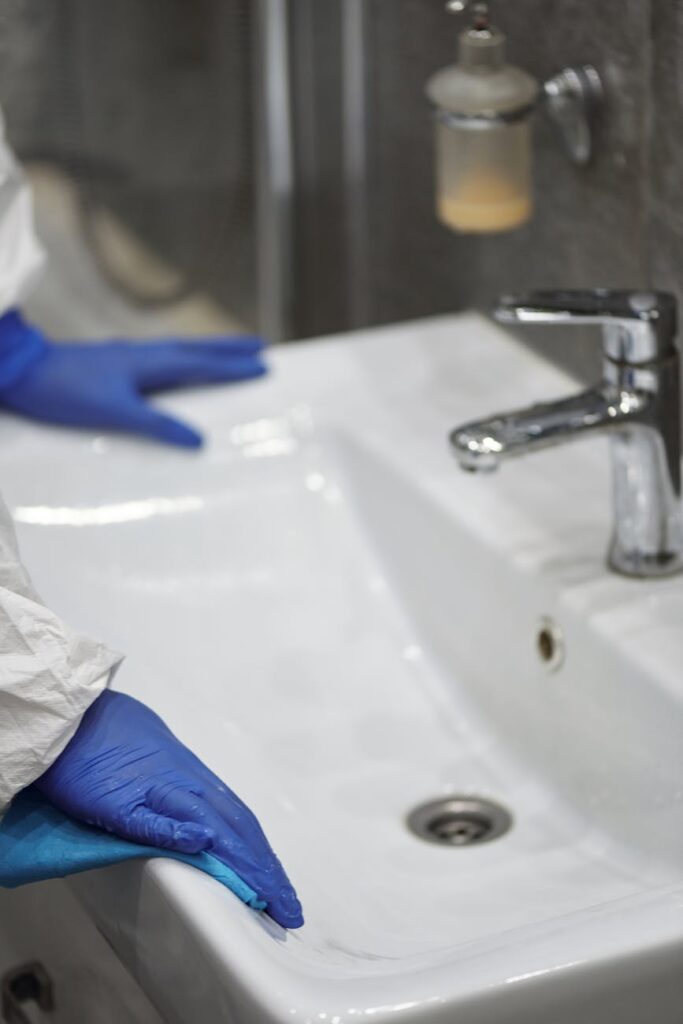
Mildew in Bathroom Mould & Damp Guide Part 1
Introduction
Mildew in bathrooms is not just an eyesore; it can also lead to bigger problems if not dealt with promptly. Understanding how to combat mould and dampness effectively is essential for maintaining a clean and healthy home. In this guide, we will explore the causes of mould and damp, how to fix these issues, the best cleaning methods, common mistakes to avoid, and tips to prevent recurrence.
What Causes Mould & Damp?
Mould thrives in damp, warm environments, making bathrooms an ideal breeding ground. Several factors contribute to mould growth:
1. Humidity: High moisture levels from showers and baths create a perfect environment for mildew.
2. Poor Ventilation: Lack of airflow can trap moisture, leading to dampness.
3. Water Leaks: Leaky pipes or fixtures can introduce moisture, promoting mould growth.
4. Condensation: Warm air from showers can condense on cooler surfaces, creating damp spots.
5. Dirty Surfaces: Soap scum and organic materials can provide food for mould spores.
Why This Problem Happens
Understanding why mould and damp occur can help homeowners address the root cause.
- Humidity Levels: Bathrooms often have higher humidity due to daily use. If the room isn’t ventilated properly, moisture lingers.
- Ventilation Issues: Exhaust fans or open windows help reduce humidity. Without these, moisture accumulates.
- Neglected Maintenance: Leaks and spills can go unnoticed, allowing mould to thrive over time.
- Temperature Differences: Cold surfaces like tiles can attract condensation from warm air, leading to damp patches.
- Rubber gloves
- Mask
- Bucket
- Scrub brush or sponge
- Mould removal cleaner (or a DIY solution like vinegar or baking soda)
- Spray bottle
- Cloths or paper towels
- A fan or dehumidifier
- Mix equal parts water and white vinegar in a spray bottle.
- Spray on affected areas and let it sit for at least an hour before scrubbing and rinsing.
- Combine baking soda and water to form a paste.
- Apply it to mouldy areas, let it sit, scrub, and rinse.
- Use a mould-specific cleaner that contains ingredients like bleach or hydrogen peroxide.
- Follow the product instructions carefully for the best results.
How to Fix Mould & Damp (Step-by-Step)
Step 1: Assess the Damage
Before you start cleaning, evaluate the extent of the mould. Check walls, ceilings, grout, and around fixtures. If the area is extensive (more than 10 square feet), consider professional help.
Step 2: Gather Supplies
You will need:
Step 3: Ventilate the Area
Open windows and doors to allow fresh air in. Turn on the exhaust fan if you have one. This step helps reduce humidity while you clean.
Step 4: Apply Cleaning Solution
Using your chosen mould remover, spray the affected areas generously. Allow it to sit for the recommended time according to the product instructions (usually around 10-15 minutes).
Step 5: Scrub the Area
Using a scrub brush or sponge, scrub the mouldy surfaces. Pay special attention to grout lines and corners, where mould tends to accumulate.
Step 6: Rinse and Dry
Rinse the cleaned areas with water and wipe them down with a cloth. Ensure the surfaces are completely dry to prevent future mould growth.
Step 7: Dispose of Cleaning Materials
Safely dispose of any used sponges or cloths in a sealed bag to prevent spreading mould spores.
Best Cleaning Methods
1. Vinegar Solution
2. Baking Soda Paste
3. Commercial Cleaners
Common Mistakes to Avoid
1. Using a Weak Solution: Diluting cleaners too much can reduce their effectiveness against mould.
2. Neglecting Ventilation: Failing to ventilate the area while cleaning can cause more moisture build-up.
3. Ignoring Underlying Issues: Simply cleaning the mould without addressing leaks or ventilation won’t solve the problem.
4. Not Wearing Protective Gear: Skipping gloves or masks can expose you to mould spores and harmful chemicals.
5. Rushing the Drying Process: Not allowing surfaces to dry properly can lead to a quick return of mould.
Prevention Tips
1. Improve Ventilation: Install an exhaust fan and use it during and after showers. Open windows whenever possible.
2. Use a Dehumidifier: This can help maintain lower humidity levels in the bathroom.
3. Seal Grout and Caulk: Regularly check and reapply sealants to prevent moisture from penetrating porous surfaces.
4. Regular Cleaning: Incorporate mould-fighting cleaners into your cleaning routine.
5. Quickly Address Leaks: Fix any plumbing issues immediately to prevent moisture accumulation.
6. Dry Surfaces: Wipe down wet surfaces after use, especially around sinks and tubs.
Frequently Asked Questions
1. How can I tell if I have mould or just dirt?
Mould typically appears as a fuzzy or discolored patch and may have a distinct smell. Dirt is usually consistent in texture and color.
2. Is vinegar effective against all types of mould?
Vinegar is effective against many types of mould, but not all. For severe infestations, stronger commercial cleaners may be needed.
3. Can I use bleach to clean mould?
Yes, bleach can kill mould on non-porous surfaces. However, it may not be effective on porous materials like drywall.
4. How often should I clean my bathroom to prevent mould?
Aim to clean your bathroom at least once a week, focusing on areas prone to dampness.
5. What is the best way to dry my bathroom after use?
Wipe down wet surfaces with a towel and run the exhaust fan for at least 30 minutes after a shower.
6. Should I be worried about mould in my bathroom?
While minor mould can be managed with cleaning, extensive mould growth can impact health and should be addressed promptly.
By following this guide, homeowners can effectively tackle mould and damp issues in their bathrooms, ensuring a cleaner and healthier home environment. Stay tuned for Part 2, where we will delve deeper into advanced prevention techniques and ongoing maintenance strategies.