
Mildew in Bathroom Kitchen Guide Part 2
Introduction
Mildew in the kitchen can be a frustrating issue for homeowners. Often overlooked, it can lead to unpleasant odors, unsightly stains, and even health concerns. In this guide, we will break down the causes, solutions, and prevention strategies for dealing with mildew specifically in the kitchen area. Whether it’s lurking under the sink or around your refrigerator, we’ll provide practical steps to eliminate it effectively.
What Causes Mildew in the Kitchen?
Mildew thrives in damp, dark environments. In the kitchen, several factors contribute to its growth:
1. Humidity: High humidity levels from cooking or dishwashing can create a breeding ground for mildew.
2. Poor Ventilation: Lack of airflow can trap moisture, especially in areas like under the sink or behind appliances.
3. Leaks: Plumbing leaks can provide the moisture that mildew needs to flourish.
4. Food Residue: Spills or food particles left uncleaned can attract mildew and mold growth.
5. Warm Temperatures: Kitchens can be warm, especially during cooking, creating a perfect environment for mildew.
Why This Problem Happens
Understanding why mildew develops is crucial to effectively combatting it. Here are the primary reasons:
- Condensation: When warm air meets cooler surfaces, condensation forms, providing moisture for mildew.
- Inadequate Cleaning: Regular cleaning is essential. Neglected areas are more susceptible to mildew.
- Age of Home: Older homes may have outdated plumbing or insulation, leading to increased moisture levels.
- Seasonal Changes: During humid months, kitchens can become more prone to mildew growth.
- Under the sink
- Around the refrigerator
- Behind cabinets
- Near windows
- Rubber gloves
- A mask (to avoid inhaling spores)
- Spray bottle
- White vinegar or bleach
- Baking soda
- Soft scrub brush or sponge
- Microfiber cloths
- White Vinegar: A natural and effective mildew remover. Its acidity helps kill mildew spores without harsh chemicals.
- Bleach: An effective mildew killer for more severe cases. Use cautiously and ensure proper ventilation.
- Baking Soda: A gentle abrasive that can help scrub away mildew while deodorizing the area.
- Commercial Mildew Removers: Look for products specifically designed for mold and mildew; always follow the manufacturer’s instructions.
- Improve Ventilation: Use exhaust fans when cooking and open windows when possible to reduce humidity.
- Regular Cleaning: Clean surfaces regularly, especially areas prone to moisture, such as countertops and sinks.
- Fix Leaks Promptly: Address any plumbing issues immediately to eliminate sources of moisture.
- Use Dehumidifiers: In particularly humid areas, consider using a dehumidifier to maintain lower humidity levels.
- Seal Grout and Caulk: Ensure that grout and caulk around sinks and countertops are properly sealed to prevent moisture intrusion.
How to Fix Mildew in the Kitchen (Step-by-Step)
Step 1: Identify Affected Areas
Start by inspecting your kitchen for signs of mildew. Common areas include:
Step 2: Gather Cleaning Supplies
You’ll need:
Step 3: Prepare a Cleaning Solution
For a simple mildew remover, mix equal parts of white vinegar and water in a spray bottle. If you prefer a stronger solution, use a diluted bleach mixture (1 cup of bleach to 1 gallon of water).
Step 4: Apply the Cleaning Solution
Spray the affected areas generously. Allow it to sit for about 10-15 minutes to penetrate and kill mildew spores.
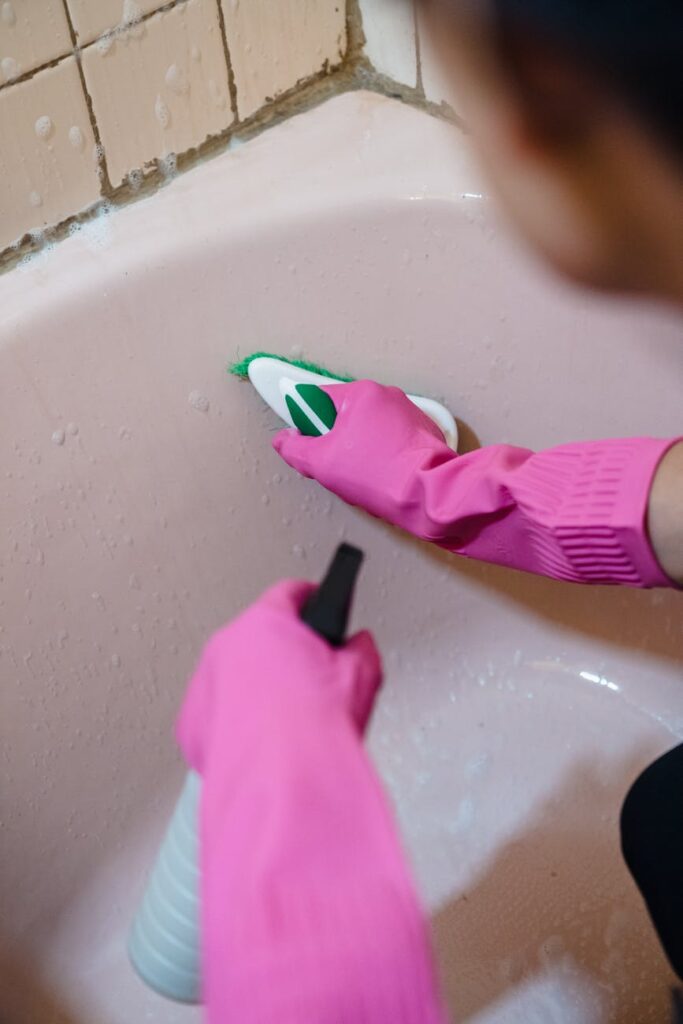
Step 5: Scrub the Area
Using a soft scrub brush or sponge, scrub the affected areas gently but thoroughly. Pay special attention to corners and crevices.
Step 6: Rinse and Dry
Wipe the area with a damp microfiber cloth to remove any residue. Ensure that the area is thoroughly dried afterward to prevent future growth.
Step 7: Dispose of Contaminated Materials
If any materials (like sponges or cloths) are heavily contaminated with mildew, dispose of them to prevent recontamination.
Best Cleaning Methods
Common Mistakes to Avoid
1. Not Wearing Protective Gear: Always wear gloves and a mask when dealing with mildew to protect yourself from spores.
2. Using Too Much Water: Excessive moisture can worsen the problem. Use just enough cleaning solution to dampen the area.
3. Neglecting Ventilation: Not ventilating the area while cleaning can trap moisture and spores, reinvigorating mildew growth.
4. Ignoring the Source: Identify and fix leaks or humidity issues before cleaning to prevent recurrence.
5. Overlooking Hidden Areas: Mildew can hide in less visible places. Make sure to check under appliances and cabinets.
Prevention Tips
Keeping your kitchen mildew-free requires ongoing efforts. Here are some effective prevention strategies:
Frequently Asked Questions
1. Can I use vinegar and baking soda together to clean mildew?
Yes, you can use both, but it’s best to apply them separately. First, use vinegar to kill mildew, and then follow with baking soda to scrub and deodorize.
2. How often should I clean my kitchen to prevent mildew?
Aim for a thorough cleaning at least once a week, with spot cleaning as needed, especially in high-moisture areas.
3. What should I do if mildew keeps returning?
If mildew returns despite your best efforts, investigate for hidden leaks, poor ventilation, or structural issues that may be contributing to moisture problems.
4. Is bleach safe to use in the kitchen?
Yes, but ensure proper ventilation and avoid mixing bleach with other cleaners, especially ammonia, as it can create toxic fumes.
5. How do I know if I have a serious mold problem?
If you have persistent mildew despite cleaning, a musty odor, or visible mold growth beyond simple stains, it may be time to consult a professional for assessment.
6. Can I use essential oils to help with mildew?
While some essential oils have antifungal properties, they should not be relied upon as a primary cleaning method. Use them as a supplement to traditional cleaning methods for a pleasant scent.
By following these guidelines, you can tackle mildew in your kitchen effectively and maintain a cleaner, healthier environment. Regular maintenance and vigilant cleaning will go a long way in keeping your kitchen mildew-free.