
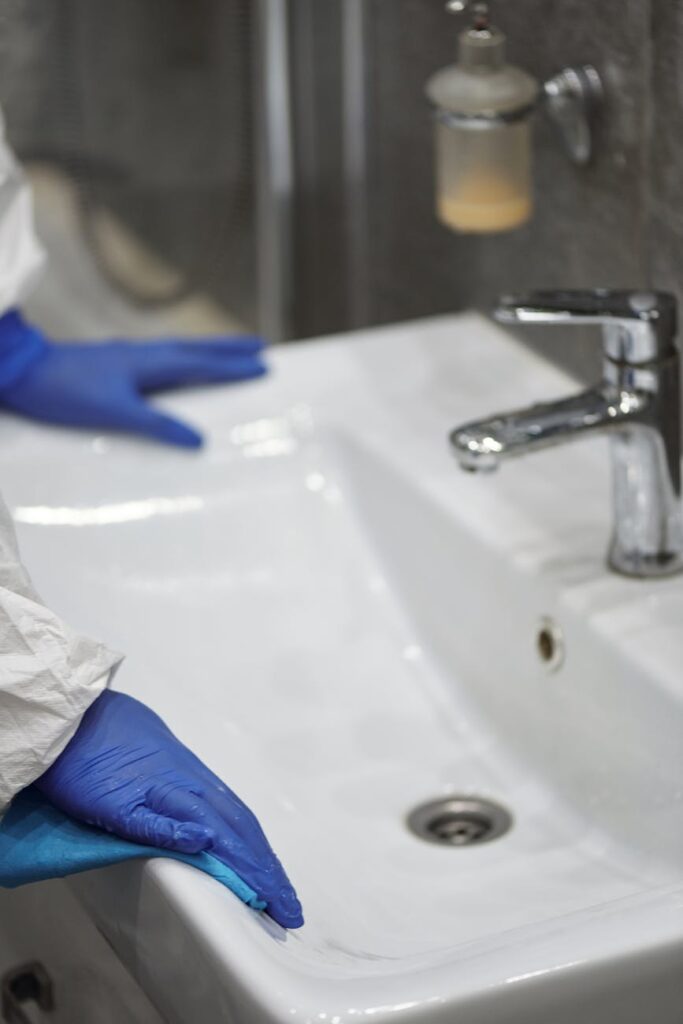
Mildew in Bathroom Cleaning Guide Part 1
Introduction
Mildew in the bathroom is an all-too-common nuisance that can make your space feel uninviting and unsanitary. This article will provide you with a comprehensive guide to understanding, cleaning, and preventing mildew, ensuring your bathroom remains a clean and pleasant environment.
What Causes Mildew?
Mildew thrives in warm, damp areas, making bathrooms an ideal breeding ground. The factors contributing to mildew growth include:
- Humidity: Showers and baths create moisture.
- Poor Ventilation: Lack of airflow traps humidity.
- Organic Materials: Soap scum, hair, and other organic debris provide nutrients for mildew.
- Temperature: Warm conditions accelerate mildew growth.
- Bathrooms are not cleaned regularly: Neglecting regular cleaning allows mildew to establish itself.
- Ventilation is inadequate: Bathrooms without windows or exhaust fans trap moisture.
- Cleaning supplies are ineffective: Not using the right products can leave mildew behind.
- Rubber gloves
- Protective eyewear
- Scrub brush or sponge
- Bucket
- Spray bottle
- Cleaning solution (vinegar, baking soda, or a commercial mildew cleaner)
- Old toothbrush or small scrub brush for tight spaces
Understanding these causes is the first step to tackling mildew effectively.
Why This Problem Happens
Mildew spores are everywhere, and they settle where conditions are right. In your bathroom, the combination of moisture, warmth, and organic material creates a perfect environment for these spores to thrive. If left unchecked, mildew can spread and become more challenging to remove.
The problem worsens if:
Recognizing these issues can help you address them proactively.
How to Fix Mildew (Step-by-Step)
Step 1: Gather Your Supplies
To effectively clean mildew, you’ll need:
Step 2: Prepare the Area
1. Clear the Bathroom: Remove all items from the surfaces where mildew is present.
2. Ventilate the Space: Open windows or turn on the exhaust fan to reduce moisture while cleaning.
Step 3: Apply Cleaning Solution
1. Vinegar Method: Fill a spray bottle with white vinegar and spray directly onto the mildew. Let it sit for at least an hour.
2. Baking Soda Paste: Mix baking soda with water to form a paste and apply it to the affected areas. Let it sit for 10-15 minutes.
Step 4: Scrub the Area
1. Use a scrub brush or sponge to scrub the treated areas vigorously. For tight spaces, an old toothbrush works well.
2. Pay special attention to corners, grout lines, and any crevices where mildew likes to hide.
Step 5: Rinse and Dry
1. Rinse the area thoroughly with warm water.
2. Wipe down surfaces with a dry cloth to remove any remaining moisture.
Step 6: Dispose of Cleaning Materials
Dispose of any used sponges or brushes, especially if they are contaminated with mildew.
Best Cleaning Methods
1. Vinegar
Vinegar is a natural disinfectant that effectively kills mildew. It’s non-toxic and safe for most surfaces.
2. Baking Soda
Baking soda’s abrasive nature makes it ideal for scrubbing away mildew while neutralizing odors.
3. Hydrogen Peroxide
A 3% hydrogen peroxide solution can also be effective against mildew. Apply it, let it sit for 10 minutes, then scrub and rinse.
4. Commercial Cleaners
If natural methods aren’t effective, consider using a commercial mildew cleaner. Always read labels and follow instructions carefully.
Common Mistakes to Avoid
1. Using Too Many Products: Mixing cleaning products can create harmful fumes. Stick to one cleaning method at a time.
2. Not Allowing Enough Time to Sit: Give solutions time to work; rushing through the process can lead to inadequate cleaning.
3. Ignoring Ventilation: Failing to ventilate the bathroom during and after cleaning can keep the moisture levels high, encouraging mildew to return.
4. Not Scrubbing Enough: Simply spraying a solution without scrubbing won’t eliminate mildew. Be thorough in your scrubbing.
Prevention Tips
1. Ventilate Regularly: Use exhaust fans or open windows during and after showers to reduce humidity.
2. Wipe Down Surfaces: After each use, wipe down wet surfaces with a towel to minimize moisture.
3. Regular Cleaning Schedule: Clean your bathroom at least once a week, focusing on areas prone to mildew.
4. Use Mildew-Resistant Products: Consider mildew-resistant paint and caulk to reduce growth.
5. Keep It Dry: Store towels and bath mats in a dry location to prevent moisture accumulation.
Frequently Asked Questions
1. How can I tell if I have mildew or mold?
Mildew is typically powdery and gray or white, while mold can be black, green, or fuzzy. If you’re unsure, a simple test is to spray a small amount of bleach on the area; if it lightens, it’s likely mildew.
2. Can I use bleach to clean mildew?
Yes, bleach can be effective, but it should be used with caution. It can discolor surfaces and emit harmful fumes when mixed with other cleaners.
3. How often should I clean for mildew?
Aim for a weekly cleaning routine, but increase frequency if you notice excessive moisture or mildew growth.
4. What surfaces are most prone to mildew?
Showers, bathtubs, tiles, and grout lines are particularly susceptible. Pay attention to corners and areas with poor drainage.
5. Can I prevent mildew without using chemicals?
Yes, regular cleaning with natural methods like vinegar and baking soda, combined with good ventilation, can help prevent mildew without harsh chemicals.
6. Is it safe to remove mildew during pregnancy?
While many cleaning agents are safe, it’s advisable to use natural cleaning methods and ensure good ventilation. Consult your healthcare provider for personalized advice.
By following this guide, you can effectively tackle mildew in your bathroom, ensuring a clean and healthy space. Stay tuned for Part 2, where we will delve deeper into advanced cleaning techniques and products!