
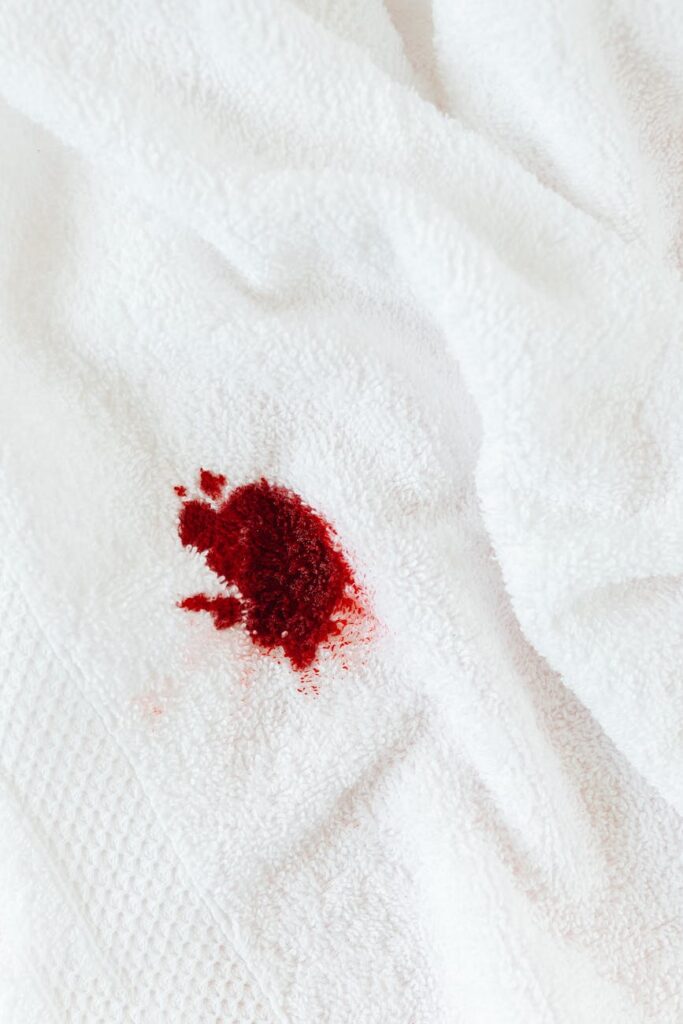
Laundry Stain Removal Odours Guide Part 2
Introduction
Laundry can often be a source of unpleasant odours, leaving you frustrated and eager for solutions. Whether it’s lingering smells from sweat, mildew, or food, understanding how to effectively tackle these issues is essential for fresh, clean clothes. In this guide, we will explore the causes of odours, how to eliminate them, and offer practical tips for prevention.
What Causes Odours?
Odours in laundry typically arise from a few common sources:
1. Bacteria and Mildew: When clothes are left damp for too long, bacteria and mildew can develop, resulting in musty smells.
2. Body Odours: Sweat and skin oils can accumulate on fabrics, particularly in areas like underarms and collars.
3. Food Residues: Spills from sauces or greasy foods can leave behind stubborn odours, especially if not treated promptly.
4. Detergent Residue: Using too much detergent or not rinsing clothes properly can lead to a build-up that traps odours.
5. Environmental Factors: Clothes that are stored in humid or poorly ventilated areas can absorb musty smells from their surroundings.
Why This Problem Happens
Understanding why odours occur can help in preventing and addressing them effectively. Here are some key reasons:
- Improper Washing: Not following the right washing techniques can lead to residual odours. This includes using the wrong water temperature or skipping pre-treatment for stains.
- Overloading the Washer: Packing too many clothes into the washer can prevent effective cleaning and rinsing, leading to trapped smells.
- Inadequate Drying: Failing to dry clothes thoroughly can allow moisture to linger, promoting mildew growth.
- Neglecting the Washer: A dirty washing machine can be a breeding ground for bacteria and mildew, which can transfer to your laundry.
How to Fix Odours (Step-by-Step)
Removing odours from your laundry requires a systematic approach. Follow these steps:
Step 1: Identify the Source
Check your laundry for stains and areas that may have absorbed odours. Pay special attention to underarms, collars, and any spots with visible residue.
Step 2: Pre-Treat Stains
For stubborn stains or odours, pre-treat the affected areas. Use a mixture of baking soda and water to create a paste. Apply it directly onto the stain and let it sit for at least 30 minutes.
Step 3: Wash with Hot Water
Choose the hottest water setting that’s safe for the fabric type. Hot water helps to kill bacteria and remove odours. Add a high-quality detergent and, if possible, a cup of white vinegar to the wash cycle for extra odour-fighting power.
Step 4: Rinse Thoroughly
Ensure that you rinse your clothes thoroughly. You can run an additional rinse cycle to remove any detergent residue that might trap odours.
Step 5: Dry Completely
Dry your clothes immediately after washing. If using a dryer, ensure it’s set to the appropriate heat level for the fabric. For air drying, hang clothes in a well-ventilated area to prevent mildew.
Step 6: Store Properly
Once dry, store clothes in a clean, dry, and ventilated space to prevent future odours from developing.
Best Cleaning Methods
Here are some effective cleaning methods for tackling various odour sources:
1. Baking Soda: This natural deodorizer can be added to your wash cycle to neutralize odours.
2. White Vinegar: Adding a cup of white vinegar to the rinse cycle can help eliminate smells and soften fabrics.
3. Essential Oils: A few drops of essential oils like lavender or tea tree oil in your wash can impart a pleasant scent and provide antibacterial properties.
4. Oxygen Bleach: For tough stains, oxygen bleach can be effective in removing odours while being safe for most fabrics.
5. Commercial Odour Eliminators: There are many products specifically designed to combat laundry odours. Look for those that are enzyme-based, as they target organic stains and odours effectively.
Common Mistakes to Avoid
To ensure effective odour removal, avoid these common pitfalls:
1. Using Too Much Detergent: Excess detergent can lead to residue build-up, which traps odours. Follow the recommended amounts on the label.
2. Ignoring Fabric Care Labels: Always check care labels for washing instructions to avoid damaging fabrics or failing to remove stains.
3. Letting Clothes Sit: Don’t leave damp clothes in the washing machine for extended periods. Transfer them to the dryer or hang them up promptly.
4. Neglecting the Washing Machine: Regularly clean your washing machine to prevent bacterial growth and odours. Run a hot cycle with vinegar or a washing machine cleaner once a month.
5. Overloading the Washer: Give your clothes room to move during the wash cycle. Overloading can prevent proper cleaning and rinsing.
Prevention Tips
Preventing odours in your laundry starts with good habits:
1. Wash Regularly: Don’t let dirty clothes pile up. Wash them regularly to prevent stains and odours from setting in.
2. Use the Right Amount of Detergent: Measure your detergent to avoid excess, which can cause build-up.
3. Dry Promptly: Always dry clothes immediately after washing to prevent mildew.
4. Store Clothes Properly: Use breathable containers and ensure your storage area is dry.
5. Keep Your Washer Clean: Regular maintenance of your washing machine can prevent odours from developing in the first place.
Frequently Asked Questions
1. Why do my towels smell even after washing?
Towels can retain moisture and become a breeding ground for bacteria. Ensure they are dried properly and consider adding vinegar to the wash.
2. Can I use bleach to remove odours?
Chlorine bleach can remove odours but may not be safe for all fabrics. Use oxygen bleach as a safer alternative for most laundry.
3. How often should I clean my washing machine?
Aim to clean your washing machine once a month to prevent odours and maintain optimal performance.
4. Does fabric softener help with odours?
While fabric softener can add a pleasant scent, it doesn’t eliminate odours. Consider using vinegar or baking soda instead.
5. What should I do if the smell persists after washing?
If odours linger, consider re-washing with a vinegar rinse or soaking the items in a solution of water and baking soda before washing again.
6. Can I combine different cleaning methods?
Yes, combining methods like vinegar and baking soda can enhance odour removal. Just ensure to rinse thoroughly to avoid any residue.
By following this guide, you can effectively tackle laundry odours and enjoy fresh, clean clothes. Implement these practical solutions and preventive measures for a more pleasant laundry experience.