
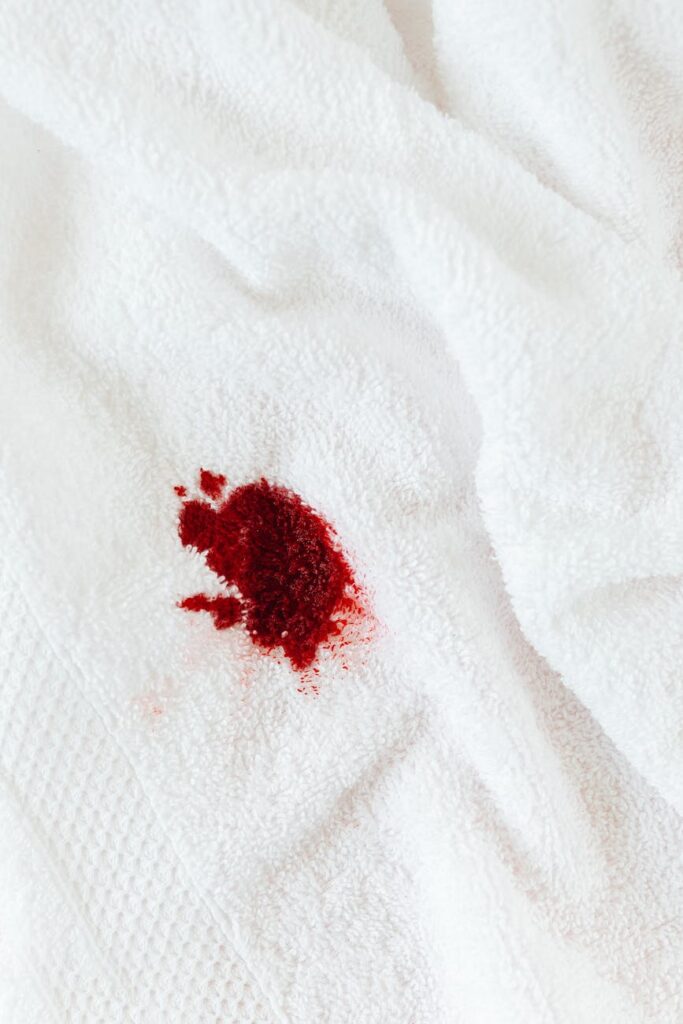
Laundry Stain Removal Mould & Damp Guide Part 1
Introduction
Mould and damp can wreak havoc on your laundry, leaving unsightly stains and unpleasant odors. Identifying and treating these issues promptly is essential for maintaining the integrity of your fabrics and ensuring a fresh-smelling home. In this guide, we’ll explore the causes of mould and damp, provide actionable steps for removal, and share tips for prevention.
What Causes Mould & Damp?
Mould thrives in environments that are warm and humid. Common causes include:
1. Poor Ventilation: Lack of airflow in laundry rooms or closets can trap moisture.
2. High Humidity: Areas with high humidity levels can lead to dampness in fabrics.
3. Water Leaks: Leaks from plumbing or appliances can create damp spots.
4. Dirty Laundry: Leaving wet clothes in the washer for too long can promote mould growth.
5. Improper Drying: Not drying clothes completely can lead to dampness.
Why This Problem Happens
When moisture accumulates in your laundry, it creates an ideal breeding ground for mould spores. These spores can latch onto fabric fibers, making it difficult to clean them effectively. If left untreated, mould can not only stain your clothes but can also lead to unpleasant odors and potential damage to your fabrics.
How to Fix Mould & Damp (Step-by-Step)
Step 1: Identify Affected Items
Inspect your laundry for any signs of mould or dampness. Look for:
- Discoloration or dark spots
- A musty smell
- Stiff or crunchy fabric
- White vinegar or hydrogen peroxide
- Baking soda
- A soft brush or sponge
- Washing machine
- Laundry detergent
- A spray bottle
- Gloves (optional)
- Hang them outside in the sun, which helps kill remaining spores.
- Use a dryer on the highest heat setting suitable for the fabric.
- Improve Ventilation: Open windows or use exhaust fans in laundry areas to reduce humidity.
- Store Clothes Properly: Ensure that clothes are completely dry before storing them.
- Regularly Clean the Washer: This helps prevent mould buildup inside the machine.
- Use Dehumidifiers: In humid climates, consider using a dehumidifier in your laundry room.
- Check for Leaks: Regularly inspect plumbing and appliances for any signs of leaks.
Step 2: Gather Supplies
You will need:
Step 3: Pre-Treat Stains
1. Vinegar Method: Mix equal parts water and white vinegar in a spray bottle. Spray the affected area generously and let it sit for 30 minutes.
2. Baking Soda Paste: For stubborn stains, create a paste using baking soda and water. Apply it directly to the stain and let it sit for 15-20 minutes.
Step 4: Wash the Laundry
1. Place the treated items in the washing machine.
2. Use hot water (as per fabric care instructions) to help kill mould spores.
3. Add a good quality laundry detergent.
4. If using vinegar, add one cup to the rinse cycle for added freshness.
Step 5: Dry Thoroughly
After washing, do not leave your clothes in the washing machine. Instead, either:
Best Cleaning Methods
White Vinegar
White vinegar is a natural disinfectant that effectively kills mould spores. Use it in the wash cycle or as a pre-treatment.
Hydrogen Peroxide
A potent mould killer, hydrogen peroxide can be used similarly to vinegar. It’s effective for tougher stains but should be tested on a small fabric area first.
Baking Soda
Baking soda not only helps remove stains but also neutralizes odors. Use it in conjunction with vinegar for maximum effectiveness.
Commercial Mould Cleaners
If home remedies don’t work, consider a commercial mould cleaner specifically designed for fabrics. Always follow the manufacturer’s instructions.
Common Mistakes to Avoid
1. Ignoring Damp Clothes: Don’t let wet clothes sit for too long. Wash them immediately to prevent mould growth.
2. Using Cold Water: Cold water may not be effective enough to eliminate mould spores.
3. Overloading the Washer: This can prevent thorough cleaning and rinsing.
4. Using Fabric Softener: Some fabric softeners can trap moisture in the fabric.
Prevention Tips
Frequently Asked Questions
1. Can mould stains be completely removed?
Yes, with the right cleaning methods, most mould stains can be removed from fabric.
2. How can I tell if mould is present in my laundry?
Look for dark spots, discoloration, or a musty smell in your clothes.
3. Is it safe to use bleach on mould stains?
Bleach can be effective against mould but may not be suitable for all fabrics. Always check care labels first.
4. How often should I clean my washing machine?
Aim to clean your washing machine every month to prevent mould buildup.
5. Can I use essential oils to combat mould?
Some essential oils, like tea tree oil, have antifungal properties and can be effective against mould.
6. What should I do if the mould returns?
If mould returns after cleaning, check for underlying issues like humidity or leaks, and address them promptly.
Conclusion
Mould and damp in your laundry can be a persistent problem, but with the right approach, you can effectively tackle it. By understanding the causes, applying the correct cleaning methods, and taking preventive measures, you can keep your laundry fresh and clean. Stay tuned for Part 2 of our guide, where we’ll delve deeper into advanced mould removal techniques.