
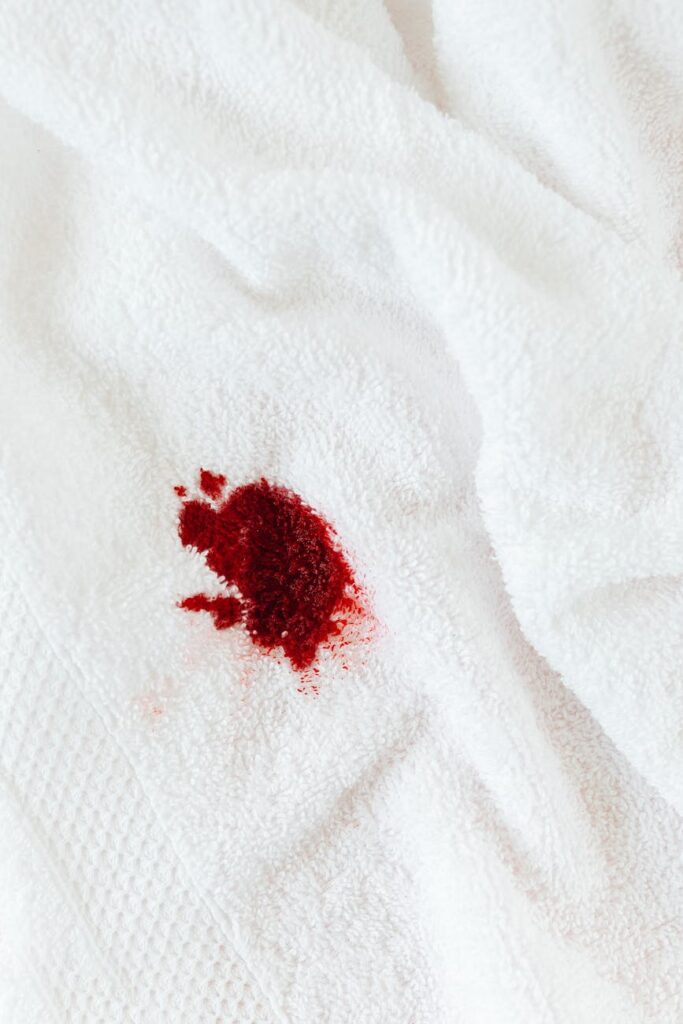
Laundry Stain Removal Laundry Guide Part 1
Introduction
Laundry stains are an inevitable part of life. Whether it’s a splash of coffee on your favorite shirt or a stubborn grass mark on your kids’ clothes, knowing how to tackle these stains effectively can save you time, money, and frustration. This guide will help you understand what causes laundry stains, why they occur, and how to remove them efficiently.
What Causes Laundry Stains?
Laundry stains can originate from various sources, including food, drinks, dirt, and bodily fluids. Each type of stain has a different composition and requires a unique approach for removal. Here are some common culprits:
- Food and Drink: Sauces, oils, and beverages are notorious for leaving marks on fabric.
- Dirt and Soil: Outdoor activities can lead to mud and grass stains, particularly on children’s clothes.
- Bodily Fluids: Sweat, blood, and urine can create tough stains, especially on light fabrics.
- Ink: Pen marks can be particularly stubborn and often require special treatment.
- Dish Soap: Effective for grease and oil stains. Mix with water and apply directly to the stain.
- White Vinegar: Great for deodorizing and removing light stains. Apply directly and let it sit for 15-30 minutes.
- Baking Soda: Can be used as a paste with water for tougher stains. Apply, let sit, and rinse.
- Coffee: Blot with cold water, then apply a mixture of dish soap and vinegar.
- Red Wine: Sprinkle salt immediately to absorb the liquid, then rinse with cold water.
- Oil: Sprinkle baking soda to absorb excess oil, then wash with dish soap.
- Mud: Let it dry and then brush off the excess. Pre-treat with a mixture of vinegar and water, then wash.
- Pen Ink: Dab with rubbing alcohol on a cotton ball, then wash as usual.
- Wear Aprons: Use aprons during meals or messy activities to protect your clothing.
- Be Cautious with Food and Drink: Avoid eating over clothing whenever possible.
- Choose Fabrics Wisely: Certain fabrics are more stain-resistant than others. Consider this when purchasing new clothes.
- Use Stain-Resistant Treatments: Consider using a fabric spray that repels stains.
- Regular Maintenance: Regularly wash and maintain clothes to keep them in good condition.
Understanding the source of the stain is crucial for effective removal.
Why This Problem Happens
Stains become challenging to remove for several reasons:
1. Time: The longer a stain sits, the harder it becomes to remove. Many stains set in after 24 hours.
2. Heat: Washing or drying stained clothing in hot water can bond the stain to the fabric.
3. Fabric Type: Delicate fabrics like silk or wool may react differently to stain removal methods compared to cotton or polyester.
4. Chemical Reactions: Some stains can chemically bond with fabric fibers, making them tougher to eliminate.
Identifying these factors can help you choose the right approach for stain removal.
How to Fix Laundry (Step-by-Step)
Removing stains effectively involves a systematic approach. Follow these steps for best results:
Step 1: Identify the Stain
Before you act, determine the type of stain and the fabric involved. Different stains require different treatments, so knowing what you’re dealing with is essential.
Step 2: Act Quickly
As soon as you notice a stain, take action. Blot the stain gently with a clean cloth to absorb excess liquid. Avoid rubbing, as this can spread the stain further.
Step 3: Pre-Treat the Stain
Use a stain remover or a DIY solution. Common options include:
Step 4: Wash the Garment
After pre-treating, wash the garment according to its care label. Use cold water for most stains to avoid setting them in.
Step 5: Check Before Drying
After washing, check if the stain is gone before putting it in the dryer. Heat can set the stain, making it nearly impossible to remove.
Step 6: Repeat If Necessary
If the stain persists, repeat the pre-treatment and washing process. Sometimes, multiple attempts are needed for complete removal.
Best Cleaning Methods
Here are some effective methods for common stains:
Food and Beverage Stains
Grease Stains
Dirt and Grass Stains
Ink Stains
Common Mistakes to Avoid
Avoid these pitfalls to ensure effective stain removal:
1. Not Acting Quickly: The sooner you address a stain, the better your chances of removal.
2. Using Hot Water Too Soon: Always start with cold water to prevent setting the stain.
3. Ignoring Fabric Care Labels: Always follow care instructions specific to the fabric type.
4. Mixing Cleaning Products: Combining different chemicals can create harmful reactions; stick to one product at a time.
5. Drying Before Checking: Always ensure the stain is completely gone before drying the garment.
Prevention Tips
Preventing stains can save you time and effort in the long run. Here are some tips:
Frequently Asked Questions
1. Can I use bleach on all stains?
No, bleach can damage some fabrics and set certain stains, especially colored ones. Always check the care label and test on a small area first.
2. How can I remove old stains?
For old stains, use a stronger stain remover or a paste of baking soda and water. Let it sit for longer before washing.
3. Is it safe to mix vinegar and baking soda?
Yes, but they will neutralize each other and create carbon dioxide gas. Use them separately for best results.
4. Can I wash stained clothes with other laundry?
It’s best to wash stained clothes separately. This prevents the stain from transferring to other items.
5. What should I do if a stain reappears after washing?
Re-treat the stain using the appropriate method and wash again. Sometimes, stains require multiple treatments.
6. Are there any stains that are impossible to remove?
Certain stains, like ink on delicate fabrics or dye transfers, may be very difficult to remove. However, many stains can be treated successfully with the right methods.
With this guide, you’re well-equipped to tackle laundry stains effectively. Remember, the key is to act quickly, choose the right method, and always check care labels before proceeding. Happy cleaning!