
Laundry Mildew Removal: Mould & Damp Guide Part 2
Introduction
Dealing with mould and damp in your laundry can be a frustrating and persistent problem. It not only affects the freshness of your clothes but can also lead to unpleasant odours and potential damage to your laundry appliances. In this guide, we’ll explore the causes of mould and damp, effective removal techniques, and prevention strategies to keep your laundry fresh and clean.
What Causes Mould & Damp?
Mould and damp thrive in environments that offer the right conditions: warmth, moisture, and organic material. Here are some common causes specifically related to laundry:
1. High Humidity: Dampness in the air, particularly in poorly ventilated areas, fosters mould growth.
2. Wet Clothes: Leaving wet clothes in the washer or dryer for extended periods can create a breeding ground for mould.
3. Leaks: Water leaks from pipes or appliances can introduce excess moisture.
4. Poor Air Circulation: Laundry rooms that lack adequate airflow can trap humidity.
5. Dirty Appliances: Residue and dirt in washing machines can contribute to mould growth.
Why This Problem Happens
Understanding why mould and damp occur can help you tackle the issue more effectively. Here’s a closer look:
- Moisture Accumulation: When clothes remain damp after washing, moisture accumulates in your laundry area. This creates an ideal environment for mould spores to settle and grow.
- Inadequate Drying: Not allowing enough time for clothes to dry, whether in the dryer or on a line, can lead to lingering moisture.
- Frequent Use of Detergents: Some detergents can leave residues that trap moisture, making it easier for mould to develop.
- Environmental Factors: Seasonal changes such as increased humidity during summer months can exacerbate the problem.
- Check for leaks in pipes or appliances.
- Inspect for damp spots on walls or ceilings.
- Assess ventilation and humidity levels in the laundry area.
- Take out any mould-infested items from your laundry area.
- Sort through clothes, towels, and linens; wash those that are affected.
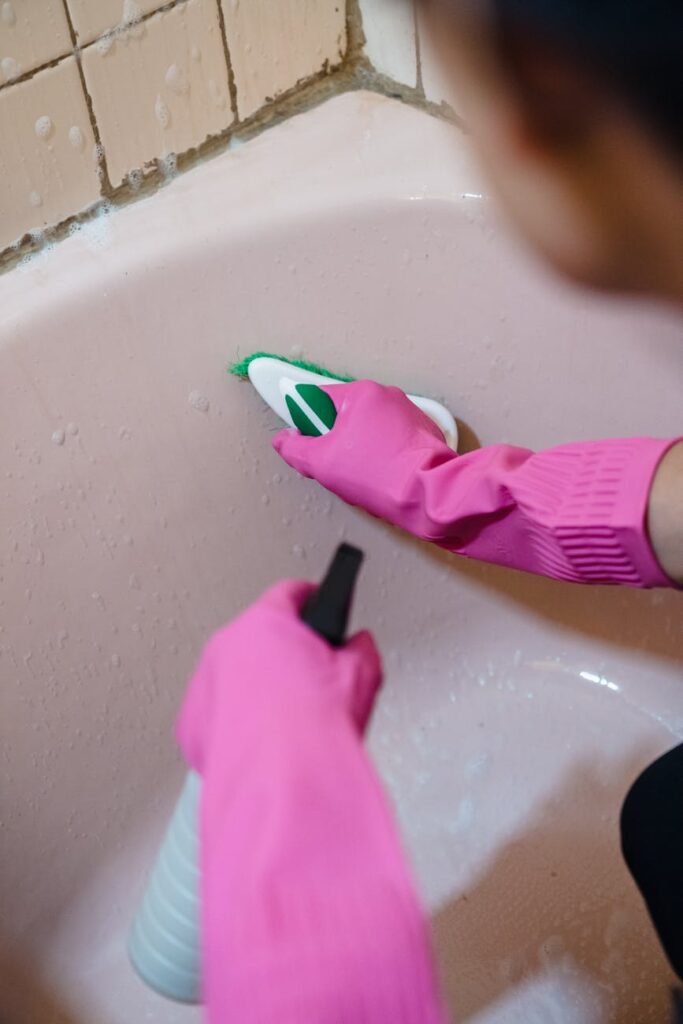
- Use a Cleaning Solution: Combine one cup of white vinegar with one cup of water in a spray bottle. Spray the affected surfaces and allow it to sit for about 10 minutes.
- Scrub: Use a sponge or brush to scrub the surface gently. For tough stains, a mixture of baking soda and water can be effective.
- Rinse and Dry: Wipe down surfaces with clean water and dry thoroughly.
- Hot Water Wash: Use hot water when washing mouldy clothes, towels, or linens.
- Add Vinegar or Baking Soda: Add one cup of white vinegar or half a cup of baking soda to the wash cycle to kill mould spores and eliminate odours.
- Dry Completely: Dry items in direct sunlight or in a well-ventilated area to ensure they are completely dry.
How to Fix Mould & Damp (Step-by-Step)
Addressing mould and damp requires a systematic approach. Follow these steps for effective remediation:
Step 1: Identify the Source
Step 2: Remove Affected Items
Step 3: Clean the Area
Step 4: Wash Affected Laundry
Best Cleaning Methods
Here are some effective methods for tackling mould and damp in your laundry:
1. Vinegar: A natural disinfectant that can kill 82% of mould species. Use it in the wash or as a cleaning solution.
2. Baking Soda: Acts as a deodoriser and can help lift stains. Use it in conjunction with vinegar for enhanced cleaning.
3. Hydrogen Peroxide: A powerful mould killer. Use a 3% solution on affected areas, letting it sit before scrubbing.
4. Commercial Mould Cleaners: For severe cases, consider using a store-bought mould remover that is safe for fabrics and surfaces.
Common Mistakes to Avoid
Avoid these pitfalls when dealing with mould and damp:
1. Ignoring the Problem: If you notice mould, take immediate action instead of hoping it disappears.
2. Using Cold Water: Cold water may not effectively kill mould spores. Always opt for hot water when washing affected items.
3. Rushing the Drying Process: Ensure that items are fully dry before putting them away.
4. Neglecting Ventilation: Don’t overlook the importance of airflow in your laundry area. Open windows or use a dehumidifier if needed.
Prevention Tips
Preventing mould and damp from returning requires ongoing attention. Here are some practical tips:
1. Improve Airflow: Keep laundry doors and windows open to allow fresh air to circulate.
2. Use a Dehumidifier: If humidity levels are consistently high, consider using a dehumidifier in your laundry space.
3. Regular Cleaning: Clean your washing machine and dryer regularly to prevent build-up.
4. Prompt Drying: Always dry clothes promptly after washing and avoid leaving them in the machine.
5. Check for Leaks: Regularly inspect plumbing and appliances for leaks.
Frequently Asked Questions
1. How do I know if my laundry has mould?
Signs include a musty smell, dark spots on fabrics, and visible mould growth on surfaces.
2. Can I use bleach to remove mould from laundry?
While bleach can kill mould, it may not be safe for all fabrics. Consider using vinegar or baking soda as safer alternatives.
3. How often should I clean my washing machine to prevent mould?
Aim to clean your washing machine every month, especially if it’s used frequently.
4. What should I do if mould returns?
Re-evaluate your cleaning methods and ensure that you are addressing any underlying moisture issues. Repeat the cleaning process if necessary.
5. Can I prevent mould growth by using dryer sheets?
While dryer sheets can help with static and odours, they do not prevent mould. Proper drying and ventilation are key.
6. Is it safe to wash mouldy clothes with other laundry?
Avoid washing mouldy items with clean laundry to prevent cross-contamination. Wash them separately.
By following the steps and tips outlined in this guide, you can effectively eliminate mould and damp from your laundry, ensuring a fresher, cleaner environment for your clothes. Regular maintenance and attention will help prevent future issues, keeping your laundry space in top condition.