
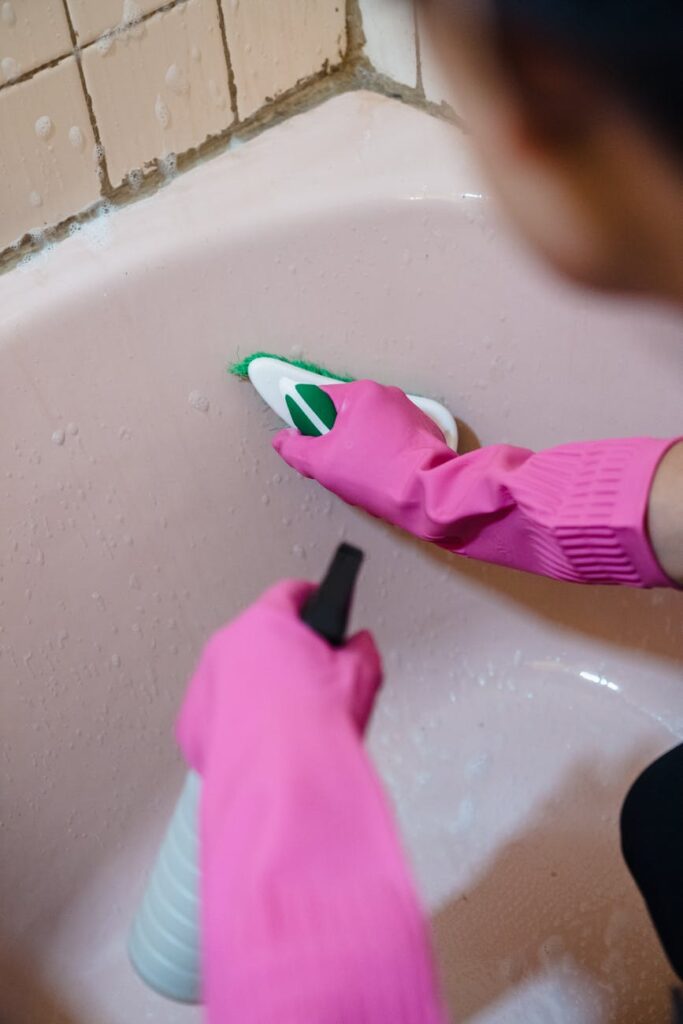
Laundry Mildew Removal Kitchen Guide Part 2
Introduction
Mildew in the kitchen is a frustrating problem that can lead to unpleasant odors and unsightly stains. If you’ve noticed dark spots or a musty smell in your laundry area, it’s time to take action. This guide will help you understand the causes, solutions, and preventive measures to keep your kitchen mildew-free.
What Causes Kitchen Mildew?
Mildew thrives in warm, damp environments. In the kitchen, several factors can contribute to its growth:
1. High Humidity: Kitchens often have high moisture levels due to cooking and cleaning.
2. Poor Ventilation: Without adequate airflow, moisture can accumulate.
3. Leaking Pipes: Any water leaks can create a breeding ground for mildew.
4. Dirty Surfaces: Food residue provides nutrients for mildew to flourish.
5. Wet Laundry: Damp clothes left in the kitchen can lead to mildew growth.
Why This Problem Happens
Understanding why mildew forms is crucial for effective removal and prevention. Here are the key reasons:
- Condensation: When warm air meets cool surfaces, condensation occurs, contributing to moisture buildup.
- Infrequent Cleaning: Neglecting regular cleaning can allow mildew spores to settle and multiply.
- Lack of Sunlight: Dark areas in the kitchen are ideal for mildew growth, as sunlight inhibits its development.
- Rubber gloves
- Mask (to avoid inhaling spores)
- Bucket
- Spray bottle
- Stiff brush or sponge
- Cleaning solutions (vinegar, baking soda, bleach)
- Microfiber cloths
- Vinegar: Mix equal parts of water and white vinegar in a spray bottle.
- Baking Soda Paste: Combine baking soda with water to create a paste.
- Bleach Solution: Mix one cup of bleach with a gallon of water (use with caution).
- Vinegar: Spray the affected areas and let it sit for 10-15 minutes.
- Baking Soda: Apply the paste directly to the mildew and scrub gently.
- Bleach: Use a sponge dipped in the bleach solution to wipe affected surfaces.
- Improve Ventilation: Use exhaust fans while cooking and open windows for airflow.
- Wipe Down Surfaces: Regularly clean countertops and appliances to remove moisture and food debris.
- Fix Leaks: Address any plumbing issues immediately to prevent water accumulation.
- Store Laundry Properly: Avoid leaving damp laundry in the kitchen; dry it promptly.
- Use Dehumidifiers: In humid climates, a dehumidifier can help maintain optimal moisture levels.
How to Fix Kitchen Mildew (Step-by-Step)
Removing mildew from your kitchen requires a systematic approach. Follow these steps:
Step 1: Gather Your Supplies
Before you start, make sure you have the following:
Step 2: Identify Affected Areas
Inspect your kitchen thoroughly. Look under the sink, behind appliances, and in any dark corners. Mark all the areas where mildew is present.
Step 3: Prepare Cleaning Solutions
For effective mildew removal, you can use:
Step 4: Apply the Cleaning Solution
Step 5: Scrub and Rinse
After letting the solutions sit, scrub the areas with a stiff brush or sponge. Rinse thoroughly with clean water to remove any residue.
Step 6: Dry the Area
Ensure the cleaned areas are dried completely. Use a fan or open windows to increase airflow if needed.
Step 7: Dispose of Contaminated Materials
Throw away any sponges, cloths, or other materials that were heavily infested with mildew.
Best Cleaning Methods
While there are various methods to tackle mildew, these are the most effective:
1. Vinegar
Vinegar is a natural antifungal agent. It not only cleans but also helps eliminate mildew odors.
2. Baking Soda
Baking soda absorbs moisture and odors. It can be used alongside vinegar for enhanced cleaning.
3. Bleach
For severe mildew problems, bleach is effective due to its strong disinfectant properties. However, ensure proper ventilation when using bleach, and never mix it with ammonia.
4. Commercial Cleaners
If natural solutions aren’t effective, consider using commercial mildew removers. Look for products labeled as mold and mildew cleaners.
Common Mistakes to Avoid
When tackling mildew removal, be wary of these pitfalls:
1. Skipping Safety Gear: Always wear gloves and a mask to protect yourself from spores.
2. Not Ventilating: Failing to ventilate the area can worsen the situation.
3. Using Too Much Water: Excess water can lead to more mildew growth; use cleaning solutions sparingly.
4. Ignoring Hidden Areas: Mildew can hide in places like behind appliances; don’t overlook these spots.
Prevention Tips
Preventing mildew is easier than removing it. Here are some effective strategies:
Frequently Asked Questions
1. How do I know if I have mildew or mold?
Mildew appears as a flat, gray or white growth, while mold is typically fuzzy and can be black, green, or brown. If you notice a musty smell, it may be mildew or mold.
2. Can I use bleach on all surfaces?
No, bleach can damage certain surfaces, including wood and some fabrics. Always test on an inconspicuous area first.
3. How often should I clean to prevent mildew?
Aim for a deep clean every month, with regular wipe-downs of surfaces weekly.
4. Can I use essential oils to prevent mildew?
Yes, oils like tea tree, lavender, and eucalyptus have antifungal properties. Add them to your cleaning solutions for added protection.
5. Is it safe to mix vinegar and bleach?
No, mixing vinegar and bleach creates toxic chlorine gas. Always use them separately.
6. What should I do if the mildew returns?
If mildew returns despite cleaning, it may indicate a larger issue, such as plumbing leaks or insufficient ventilation. Investigate and address the root cause.
By following this guide, you can effectively remove and prevent mildew in your kitchen, ensuring a clean and healthy environment for your home.